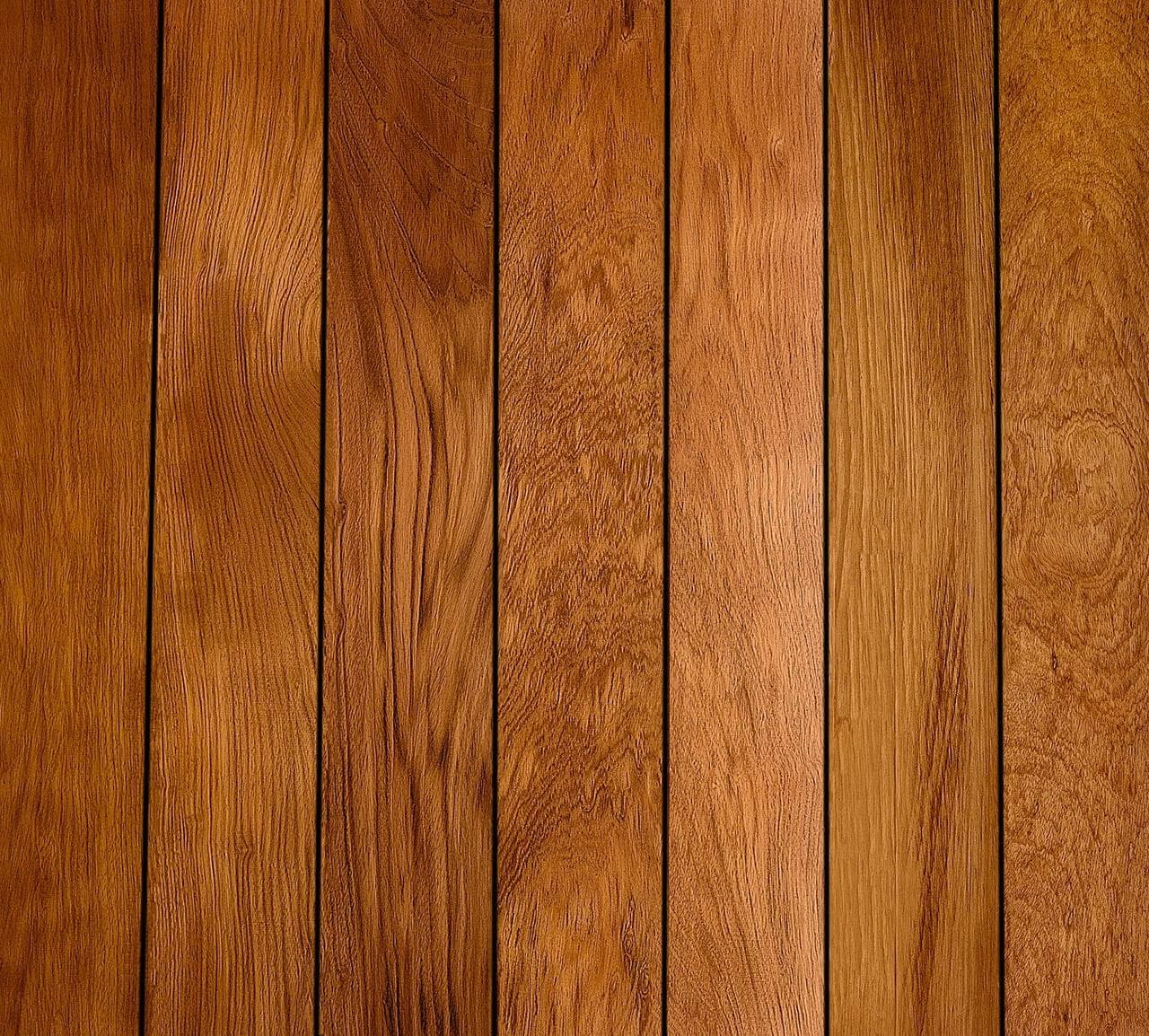
Understanding Jatoba Decking Characteristics for Transitions
Jatoba, also known as Brazilian Cherry, is a hardwood prized for its density and strength. This natural resilience means it can perform well in outdoor environments, including areas exposed to weather. Its deep red color, which intensifies with age, offers a rich contrast or complement to various paving materials and natural landscaping.
When planning transitions, it's important to remember that Jatoba is a natural material that will expand and contract with changes in moisture and temperature. Proper board spacing and ventilation are crucial for the deck itself, and these factors should also influence how it interacts with adjacent, less flexible materials like stone or concrete. Considering its natural resistance to mold and fungi, Jatoba is a suitable choice for areas where it might encounter ground moisture, provided proper drainage is established. (S1)
Planning Levels and Drainage
The most fundamental aspect of any material transition is managing different levels and ensuring effective drainage. Water should always be directed away from the deck structure and any adjacent buildings. Ideally, your Jatoba deck surface should be slightly lower than any interior finished floor to prevent water intrusion. When transitioning to paving, consider a slight slope away from the deck to encourage runoff.
For transitions to garden beds or lawns, maintaining a clear separation and a slight elevation for the deck helps prevent soil and mulch from accumulating against the wood, which can trap moisture and accelerate decay. A common strategy is to have the deck surface at least 6 inches above grade where it meets soil. This gap also helps with airflow under the deck, which is vital for the longevity of hardwood. (S1)
Edge Details and Material Separation
The way different materials meet at their edges significantly impacts both aesthetics and durability. For a seamless look, you might aim for flush transitions between your Jatoba deck and a patio, but this requires precise planning to account for material thickness and substructure. Alternatively, a slight step down from the deck to paving can clearly define zones and simplify construction.
When transitioning to soft landscaping like gravel or planting beds, a border material such as a low retaining wall, metal edging, or a row of pavers can create a clean line and prevent organic matter from encroaching on the deck. This physical barrier helps maintain the integrity of both the deck and the landscaping. Using a contrasting material for this edge can also enhance the visual appeal, highlighting the rich tones of the Jatoba. Consider using 5/4"x6" Jatoba boards for fascia or trim to create a unified edge appearance. (S1)
Worked Example: Deck-to-Paving Transition
Let's consider a hypothetical project where a new 10-foot by 12-foot Jatoba deck needs to transition to an existing 8-foot by 10-foot paver patio. The existing patio is 4 inches thick, set on a 6-inch gravel base, and is already sloped away from the house. The deck frame will be constructed with joists set on concrete piers.
To achieve a flush transition, the top of the deck joists must be precisely aligned to allow for the thickness of the Jatoba decking boards. This ensures the deck surface is level with the patio.
For drainage at this junction, a linear drain can be installed along the edge where the deck meets the patio, or the deck boards can be slightly canted away from the patio, or the patio itself can be designed with a slight slope away from the deck. If the existing patio already slopes, ensuring the deck surface aligns with that slope at the transition point will guide water effectively. The goal is a consistent plane that sheds water.
Material Compatibility and Complementary Choices
Jatoba's deep red-brown tones and fine grain can complement a range of hardscaping and softscaping materials. For paving, natural stone like bluestone or flagstone, concrete pavers in neutral tones, or even light-colored porcelain tiles can create appealing contrasts. The key is to choose materials that are durable and suitable for outdoor use, much like Jatoba itself.
When selecting plants for adjacent garden beds, consider species that thrive in your local climate and complement the rich color of Jatoba. Avoid plants that will aggressively grow over or under the deck, or those that require excessive watering near the deck structure. Good plant choices help maintain the intended aesthetic and reduce maintenance around the deck's edges. For additional material options, explore other hardwood decking like Ipe, or consider composite and PVC decking for different aesthetic and maintenance profiles.
Links to complementary products: [Decking](/decking), [Hardwood Decking](/decking/hardwood), [Ipe Decking](/decking/hardwood/ipe), [Composite Decking](/decking/composite), [PVC Decking](/decking/pvc)
Before you order
- Determine the desired finished height of the Jatoba deck relative to existing or new adjacent surfaces (e.g., flush, step up/down).
- Assess existing site drainage and plan for water runoff away from the deck and structures.
- Choose a specific edge detail for each transition (e.g., hidden, exposed fascia, linear drain).
- Select complementary hardscaping materials (pavers, stone) and softscaping elements (plants, gravel).
- Account for material thickness, substructure requirements, and expansion gaps for all transitioning materials.
- Verify local building codes and regulations for deck height, setbacks, and drainage requirements.
- Create a detailed project drawing showing all levels, materials, and drainage paths.
Confirm installation details, approved uses and warranty terms in the current instructions for the exact product and profile. Your installer should verify the substrate, structure and applicable project requirements.
Questions to help you decide
How do I prevent water from pooling where my Jatoba deck meets a patio?
Effective drainage is key. Ensure your deck and patio surfaces are graded with a slight slope (typically 1-2%) away from any adjacent structures. A linear drain installed at the junction can also collect and divert water. Maintain a small, consistent gap between the deck boards and the patio to allow for water flow and material movement.
What is the recommended gap between Jatoba decking and an adjacent garden bed?
Ideally, maintain at least a 6-inch vertical separation between the finished deck surface and the top of the soil or mulch in a garden bed. This helps prevent moisture transfer to the deck structure and allows for adequate airflow underneath. A physical barrier, such as a low retaining wall or durable edging, can also help define the space and prevent soil encroachment.
Can Jatoba decking be installed directly against a concrete slab?
While it's possible, direct contact is generally not recommended as it can trap moisture and impede airflow, potentially affecting the longevity of the wood. It's better to install Jatoba decking on a proper substructure that allows for ventilation underneath and provides a consistent, level surface. If a flush transition is desired, ensure a small expansion gap is maintained between the last deck board and the concrete, and plan for drainage.
Ready to Plan Your Jatoba Deck Project?
Request a material quote with your project dimensions, exact Jatoba profile, and ZIP code to confirm current availability and service options for your unique outdoor space.
Request a material quote →