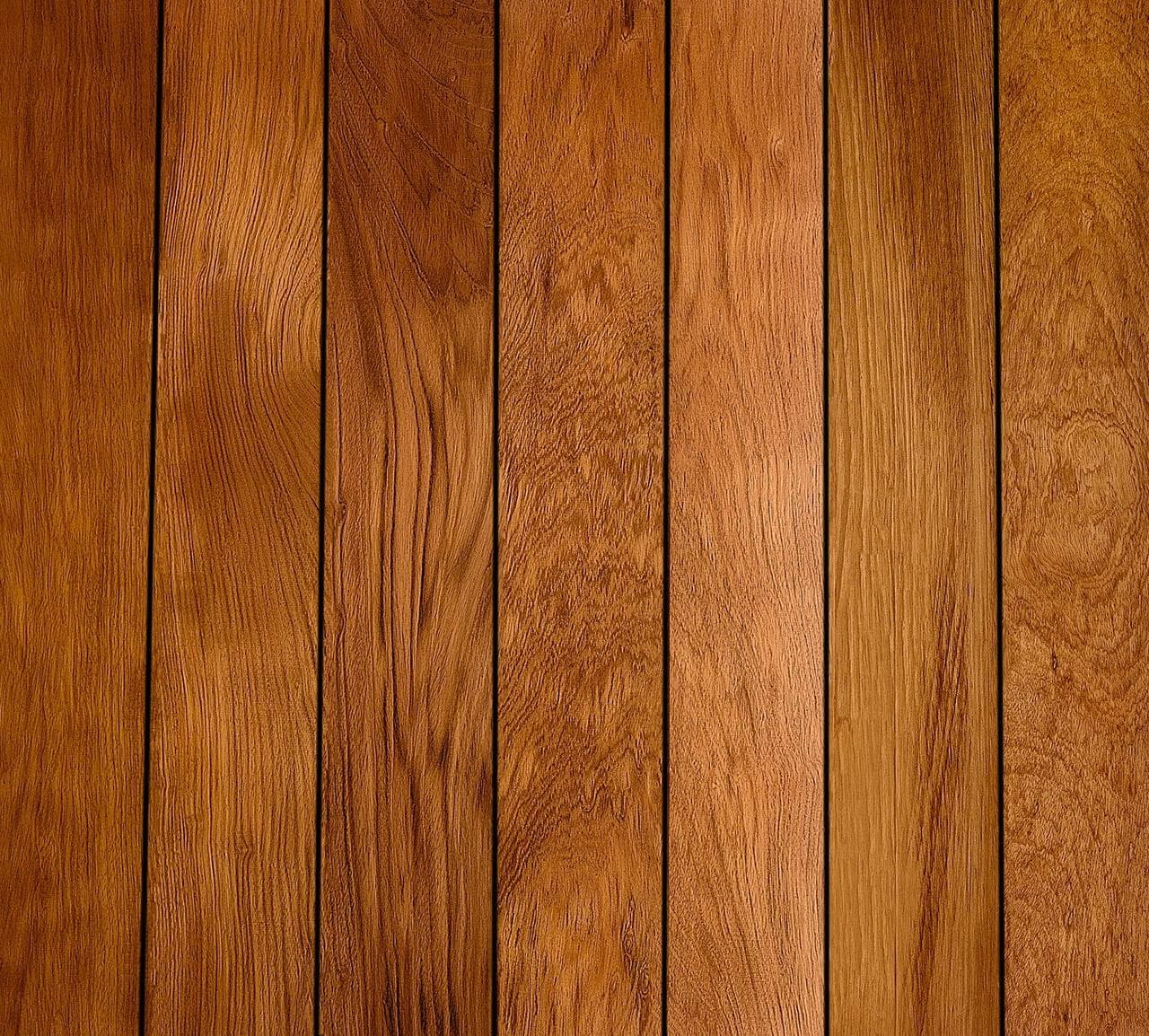
Understanding Jatoba Decking's Properties
Jatoba is a hardwood originating from Brazil, recognized for its durability and strength. These properties contribute to its reputation for standing up to demanding conditions.
The wood is naturally resistant to termites, mold, and fungi, and is noted for its resistance to weather changes. This inherent durability makes it a candidate for outdoor applications where exposure to elements is a constant factor.
One of Jatoba's distinct characteristics is its color. When freshly milled, it can display lighter tones, but it ages to a deep red, earning it the nickname "Brazilian Cherry." This color change is a natural process influenced by UV exposure and time. While this aging is often desired, understanding how it progresses in full sun is important for managing expectations.
Color Stability and Sun Exposure
All natural wood species, including Jatoba, will experience color changes when exposed to ultraviolet (UV) light from the sun. Jatoba is known to deepen in color, developing richer red tones over time, which is part of its appeal. However, consistent, direct full sun exposure can accelerate this process and, if left untreated, can eventually lead to a silver-gray patina.
If maintaining the initial deep red hue is a priority, regular application of a UV-protective finish or sealant is generally recommended. The frequency of reapplication will depend on the product used, local climate, and the intensity of sun exposure. Without such finishes, expect the wood to naturally age and lighten over many years, eventually settling into a silvery-gray.
Consider the aesthetic you desire for your deck. If you appreciate the natural aging and silvering of hardwood, minimal finishing may be preferred. If you want to preserve the deep red, a diligent maintenance schedule will be necessary. It is advisable to obtain a physical sample of Jatoba and expose a small section to direct sunlight for a few weeks to observe its natural color shift in your specific conditions.
Thermal Performance and Deck Comfort
Darker materials, including many hardwoods like Jatoba, absorb more solar radiation than lighter materials. This means that a Jatoba deck in full sun can become quite warm to the touch. While Jatoba itself is a stable and durable wood resistant to weather changes, the surface temperature can impact comfort for bare feet or pets.
Planning for shade is a practical consideration for decks in full sun. Incorporating elements like pergolas, shade sails, or strategically placed umbrellas can mitigate surface heat, making the deck more comfortable during peak sun hours. These additions also offer personal comfort and can help protect the wood's finish from intense, continuous UV exposure, potentially extending the life of sealants.
Consider the orientation of your deck relative to the sun's path throughout the day and year. A deck facing west may experience intense afternoon sun, while a south-facing deck will have prolonged exposure. Understanding these patterns can help in planning for shade and selecting appropriate finishes.
Structural Planning for a Sun-Exposed Jatoba Deck
While Jatoba is highly durable and resistant to weather changes, proper structural planning is crucial for any deck, especially one exposed to full sun. The underlying deck frame must be robust and built to local code requirements. Ensure adequate ventilation beneath the deck boards to prevent moisture buildup, which can contribute to wood movement and decay, regardless of the decking material's inherent resistance.
When installing Jatoba decking, pre-drilling is recommended due to its hardness. This helps prevent splitting and ensures secure fastening. Proper spacing between boards is also essential to allow for natural expansion and contraction of the wood with changes in temperature and humidity. Always refer to the specific product's installation guidelines for recommended gap sizes.
For a deck that endures significant temperature swings due to full sun exposure, a well-ventilated substructure helps regulate the temperature and moisture content of the decking boards, reducing stress on the material and fasteners.
Maintenance and Longevity
This longevity is a significant advantage for outdoor applications. Regular cleaning to remove dirt, leaves, and other debris will help prevent moisture retention and potential staining.
For decks in full sun, annual inspection of the finish and reapplication as needed is a common practice to maintain the desired color and provide UV protection. If a natural, silvered look is preferred, maintenance primarily involves cleaning.
For specific maintenance instructions, always consult the manufacturer or supplier of your chosen finish. Different products have varying reapplication schedules and care requirements. Testing any cleaning or finishing product on an inconspicuous area first is always a good practice.
Worked Example: Planning a Sun-Exposed Jatoba Deck
Consider a hypothetical 12-foot by 16-foot deck (192 square feet) that receives full, unobstructed sun for the majority of the day. The homeowner desires a rich, deep red appearance for as long as possible.
1. **Material Selection:** Jatoba decking (5/4"x6" profile) is chosen for its durability and color potential. Approximately 192 square feet / (5.5 inches / 12 inches/foot * length) = ~35 linear feet per board foot, assuming 5.5" wide boards. For a 12' x 16' deck, approximately 420 linear feet of 5/4"x6" board would be needed, plus an allowance for cuts and waste.
2. **Shade Planning:** A retractable pergola covering an 8-foot by 10-foot section of the deck is planned to provide shade during peak afternoon sun, making the seating area more comfortable and reducing direct UV exposure on a portion of the deck.
3. **Finish Choice:** A high-quality exterior hardwood oil with UV inhibitors is selected. The homeowner understands that annual cleaning and reapplication of the oil will be necessary to maintain the deep red color, especially in the areas most exposed to direct sunlight. They also plan to test the finish on a small offcut to observe its interaction with Jatoba's natural color change.
This helps dissipate heat and manage moisture under the deck.
Before you order
- Assess the precise sun exposure patterns of your deck area throughout the day and year.
- Decide on your preferred aesthetic: natural silvering or maintaining the deep red color with finishes.
- Consider the comfort level: will the deck surface be too hot for bare feet? Plan for shade.
- Research compatible UV-protective finishes or sealants if color retention is a priority.
- Verify the structural integrity of your deck frame and ensure adequate ventilation.
- Confirm installation requirements for Jatoba, including pre-drilling and board spacing.
- Obtain physical samples of Jatoba to observe its color and feel in your specific lighting conditions.
- Factor in the ongoing maintenance commitment for your chosen finish and aesthetic.
Confirm installation details, approved uses and warranty terms in the current instructions for the exact product and profile. Your installer should verify the substrate, structure and applicable project requirements.
Questions to help you decide
Will Jatoba decking fade or change color in full sun?
Yes, like all natural wood, Jatoba will undergo color changes when exposed to UV light. It is known to deepen to a rich red, earning it the nickname "Brazilian Cherry." Over many years, if left untreated, it will eventually weather to a silver-gray patina. Applying a UV-protective finish can help preserve its deeper red tones, but regular reapplication will be necessary in full sun.
How hot does Jatoba decking get in full sun?
Jatoba, being a dense hardwood with naturally darker tones, can absorb significant solar radiation and become quite warm to the touch in full sun, similar to other dark-colored decking materials. Planning for shade elements like pergolas or umbrellas can significantly improve comfort during peak sun hours.
What maintenance is required for Jatoba decking in a sunny location?
For Jatoba decking in full sun, regular cleaning to remove debris is always recommended. If you wish to maintain the deep red color, applying a UV-protective finish or sealant annually or as recommended by the product manufacturer will be necessary. If you prefer the natural silver-gray patina, maintenance will primarily involve cleaning.
Ready to Plan Your Jatoba Deck Project?
Request a material quote with your project dimensions, exact profile, and ZIP code. We can help confirm current availability and service options for Jatoba decking. Explore our full range of <a href="/decking">decking materials</a>, including other <a href="/decking/hardwood">hardwood options</a> like <a href="/decking/hardwood/ipe">Ipe</a>, or consider <a href="/decking/composite">composite</a> and <a href="/decking/pvc">PVC decking</a> for alternative solutions.
Request a material quote →