The Visual Appeal and Durability of Jatoba
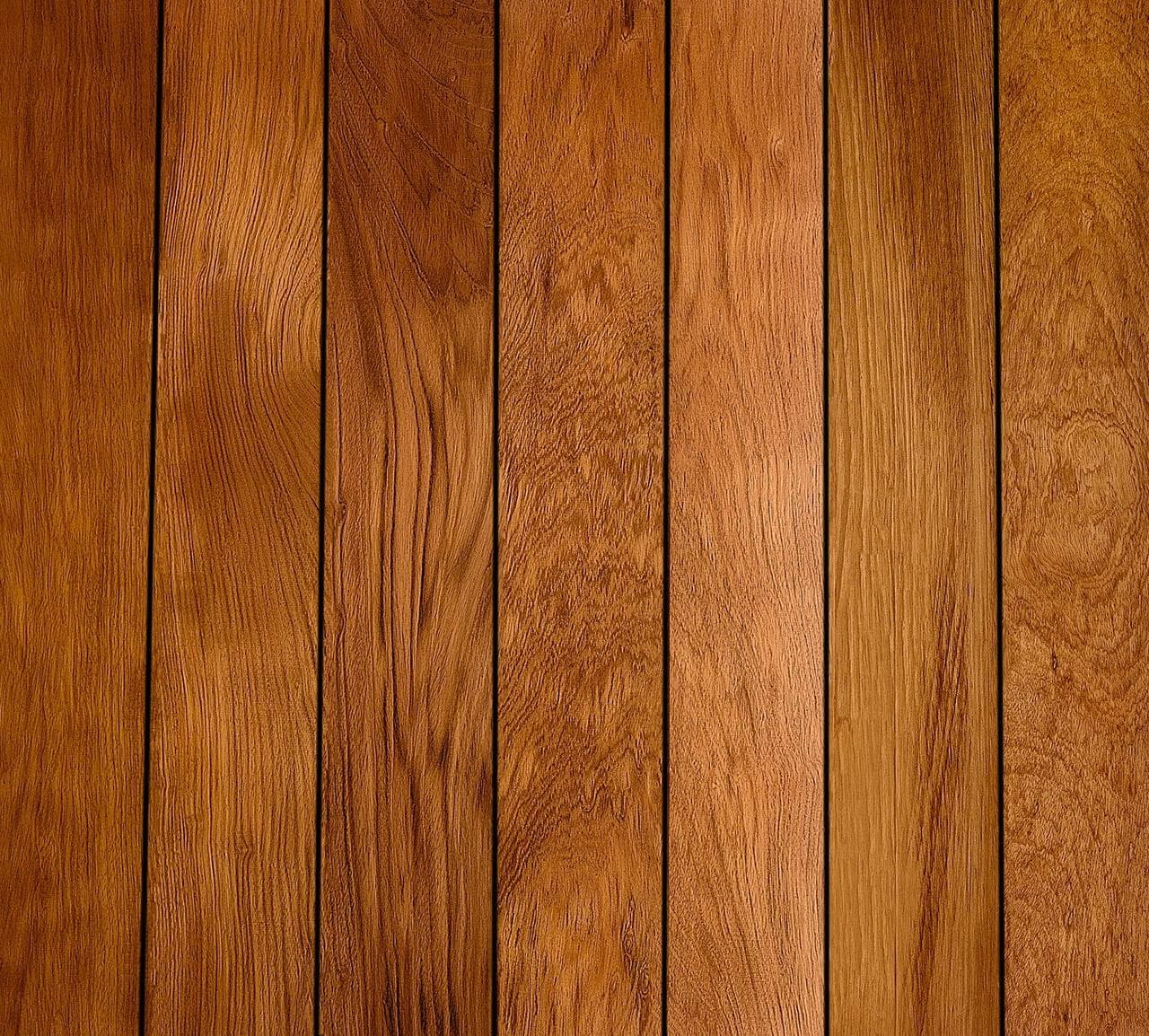
Jatoba hardwood is recognized for its rich, deep red color that develops and intensifies with age. This characteristic provides a distinctive and sophisticated aesthetic, often referred to as "Brazilian Cherry" due to this color evolution. For hospitality settings, this natural color transformation can contribute to a timeless and elegant outdoor environment that matures gracefully.
Beyond its visual qualities, Jatoba offers excellent durability and decay resistance. It is a high-strength wood, making it a robust choice for areas with heavy foot traffic, such as hotel walkways, outdoor dining areas, and resort common spaces. Its natural resistance to mold, fungi, and termites further supports its suitability for exterior applications, reducing concerns about common environmental stressors.
The ability of Jatoba to be polished to a beautiful shine allows for various finish options, from a natural, oiled look that highlights its grain to a more polished, sealed appearance. This versatility enables designers to align the decking's finish with the overall design scheme of the hospitality property.
Design Consistency Across Multiple Outdoor Zones
Hospitality properties often feature multiple outdoor zones, each with a distinct purpose yet requiring a cohesive design language. Using a single decking material like Jatoba can help achieve this visual unity. Imagine a hotel where the poolside lounge, the rooftop bar, and private balcony spaces all feature the same rich, warm wood tone. This consistency enhances the guest experience by creating a harmonious flow between different areas.
When planning, consider how Jatoba's natural color and grain will complement other materials present in the outdoor space, such as stone, metal, or landscaping elements. Its deep red hues can provide a striking contrast or a warm complement, depending on the desired effect. The availability of Jatoba in standard decking profiles, such as 5/4"x6" (actual 1" x 5.5"), provides flexibility for various design layouts, from linear patterns to more intricate designs.
For projects that involve connecting indoor and outdoor spaces, Jatoba's use in exterior joinery and flooring applications allows for a seamless transition, extending the interior design aesthetic outwards. This can be particularly effective in creating larger, more inviting communal areas.
Considering Guest Experience and Safety
The guest experience is paramount in hospitality. A deck surface must be comfortable underfoot, visually appealing, and perceived as safe and well-maintained. Jatoba's dense nature contributes to a stable walking surface. When planning for hospitality use, it is important to consider the finish and maintenance schedule, as these will directly impact the deck's appearance and feel.
For areas around pools or in climates with frequent rain, proper drainage and ventilation beneath the deck are crucial to prevent standing water and maintain the wood's integrity. While Jatoba is resistant to weather changes, ensuring adequate airflow helps extend its lifespan and prevent issues associated with prolonged moisture exposure. The specific spacing between boards should always follow manufacturer guidelines to allow for natural expansion and contraction, as well as water runoff.
Maintenance Planning for High-Traffic Areas
Hospitality decks endure significant wear and tear from constant guest activity, spilled food and drinks, and exposure to various cleaning agents. A proactive maintenance plan is essential for preserving the appearance and structural integrity of Jatoba decking.
Routine cleaning to remove dirt, debris, and spills is fundamental. While Jatoba is naturally resistant to mold and fungi, regular cleaning helps prevent buildup that could affect its appearance. Depending on the desired aesthetic, the wood can be left to age naturally, developing a silver-gray patina over time, or maintained with a suitable deck oil or sealant to preserve its original deep red color.
For high-traffic hospitality settings, it is practical to consider the ease of spot repairs or board replacement. Specifying standard board sizes, such as the 1" x 5.5" profile, can simplify future maintenance needs by ensuring compatible replacement materials are available. Consulting with a professional about appropriate cleaning products and re-finishing schedules for commercial use is advisable to ensure product compatibility and longevity.
Worked Example: A Hotel Rooftop Deck
Consider a hypothetical hotel rooftop deck project measuring 40 feet by 25 feet, designed for guest lounging and small events. The design requires a visually appealing, durable surface that can withstand varied weather and foot traffic.
Using Jatoba decking in the 1" x 5.5" (nominal 5/4"x6") profile, we can calculate the material needs. The total area is 40 ft x 25 ft = 1000 square feet. Each 1" x 5.5" board covers approximately 0.458 square feet per linear foot (5.5/12 ft). To cover 1000 square feet, approximately 2183 linear feet of decking would be needed for a straight lay, not accounting for waste or specific board lengths.
If using standard 12-foot lengths, this would require roughly 182 boards (2183 linear feet / 12 feet per board). However, project planning should always include a waste factor, typically 10-15%, especially for cuts around railings, supports, or complex patterns. For this example, adding a 15% waste factor means purchasing approximately 210 boards (182 * 1.15).
This calculation is for area coverage only. Actual purchase quantity would require a detailed cut plan considering the available lengths (3-24 ft) to minimize waste and optimize board usage for the specific layout. Pre-drilling is recommended for installation. The final finish would be chosen to match the hotel's aesthetic, with a plan for regular cleaning and re-oiling to maintain its rich color.
Before you order
- Assess the expected foot traffic and load requirements for the deck area.
- Determine the desired aesthetic: natural aging (silver patina) or maintained color (deep red).
- Verify local building codes and structural requirements for commercial decking.
- Plan for proper ventilation and drainage, especially in covered or humid areas.
- Consider the compatibility of Jatoba with other materials in the outdoor design.
- Develop a detailed maintenance schedule for cleaning and finishing.
- Confirm the availability of desired Jatoba board profiles and lengths.
- Factor in a waste percentage for cuts and irregular shapes.
- Consult with an experienced installer for commercial hardwood decking projects.
Confirm installation details, approved uses and warranty terms in the current instructions for the exact product and profile. Your installer should verify the substrate, structure and applicable project requirements.
Questions to help you decide
Why is Jatoba a good choice for hospitality decks?
Jatoba, also known as Brazilian Cherry, is a high-strength, very durable hardwood with natural resistance to termites, mold, and fungi, and withstands weather changes. Its rich, deep red color develops with age, offering a sophisticated aesthetic that can be polished to a beautiful shine. These properties make it suitable for high-traffic public areas in hotels, resorts, and restaurants where durability and appearance are key.
How should Jatoba decking be maintained in a hospitality setting?
In hospitality settings, routine cleaning to remove dirt, debris, and spills is crucial. Jatoba can be left to age naturally, developing a silver-gray patina, or maintained with a suitable deck oil or sealant to preserve its original deep red color. A proactive maintenance plan, including regular cleaning and re-finishing as needed, is essential to preserve its appearance and structural integrity under heavy use.
What are the common dimensions available for Jatoba decking?
Jatoba decking is commonly available in a 5/4"x6" nominal profile, which translates to an actual dimension of 1" x 5.5". Boards are typically offered in a range of lengths from 3 to 24 feet, providing flexibility for various project sizes and designs. Always confirm current stock and available lengths when planning your project.
Ready to Plan Your Hospitality Deck with Jatoba?
Contact us with your project dimensions, desired Jatoba profile, and ZIP code to request a material quote. Our team can help confirm current availability and service options for your commercial decking needs.
Request a material quote →