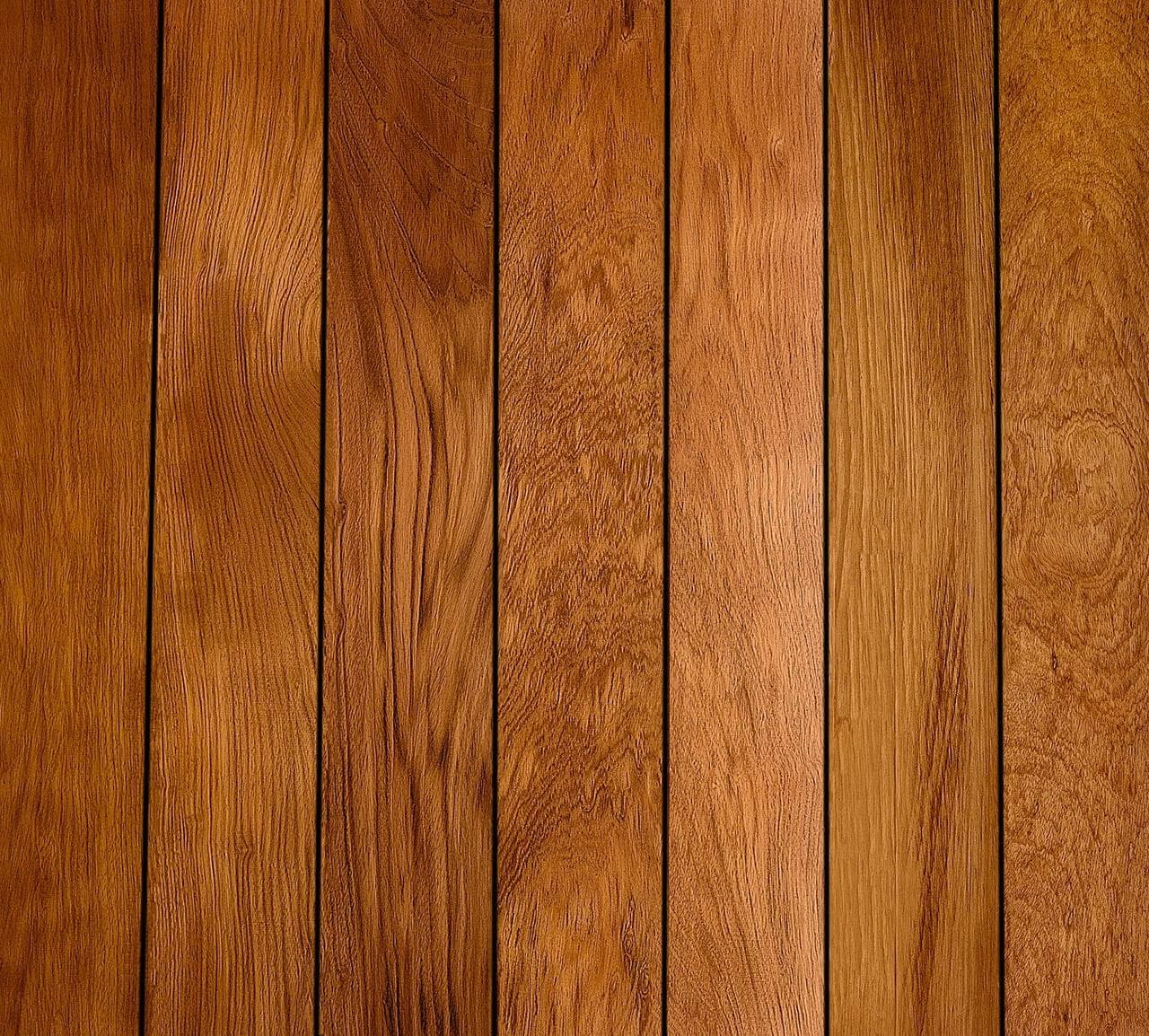
The Natural Beauty of Unfinished Jatoba
Jatoba hardwood is naturally resistant to termites and weather changes, making it suitable for outdoor applications even without a protective finish. When left unfinished and exposed to the elements, Jatoba will gradually undergo a process called 'silvering' or 'graying.' This is a natural oxidation process where the wood's surface pigments break down due to UV radiation and moisture.
The initial deep reddish-brown color will soften, eventually transforming into an elegant silver-gray patina. This weathered look is often sought after for its low-maintenance appeal and ability to blend seamlessly into natural landscapes. While the surface color changes, the inherent durability and strength of the Jatoba wood remain.
Choosing to let your Jatoba deck weather naturally means accepting this color transformation over time. The rate of silvering can vary depending on sun exposure and local climate conditions. It is important to note that even when weathered, the wood still benefits from regular cleaning to remove dirt, mildew, and other debris.
Preserving the Deep Red Tones with UV-Inhibiting Oils
For those who prefer to maintain Jatoba's distinctive reddish-brown color, applying a UV-inhibiting oil is the recommended approach. These oils penetrate the wood fibers, nourishing them and creating a barrier that helps protect against the sun's ultraviolet rays, which are the primary cause of color fading.
UV-inhibiting oils typically enhance the natural wood grain and provide a subtle sheen. They are designed to be reapplied periodically, usually every 12 to 24 months, depending on exposure and product specifications. Regular reapplication is essential to continuously protect the wood and sustain its vibrant color.
When selecting an oil, look for products specifically formulated for exterior hardwoods and containing UV blockers. These oils are typically easy to apply and help prevent the wood from drying out and cracking, contributing to the longevity of the deck's appearance.
Sealants and Stains: A Different Approach to Color
While oils penetrate the wood, sealants and stains form a protective film on the surface. Clear sealants offer some protection against moisture but typically do not provide significant UV protection, meaning the wood's color will still fade over time, albeit potentially slower than if left entirely unfinished.
Stains, on the other hand, contain pigments that can alter the wood's color. While a stained finish can introduce a new aesthetic, it's crucial to choose a stain compatible with dense hardwoods like Jatoba. Some stains may not penetrate effectively or may peel over time if not correctly applied and maintained. For Jatoba, the natural aging to a 'Brazilian Cherry' color is a key characteristic, and heavy staining may obscure this.
If considering a stain, it is advisable to test a small, inconspicuous area first to ensure the desired color and adhesion. Consult the product manufacturer's recommendations for application on dense hardwoods.
Understanding Jatoba's 'Brazilian Cherry' Color Aging
Jatoba is often nicknamed 'Brazilian Cherry' because of the rich, deep red color it develops as it ages. This natural darkening and enhancement of its reddish tones occur over time, even when left unfinished, before the silvering process takes over. With the application of a UV-inhibiting oil, this 'cherry' characteristic can be preserved and accentuated.
The initial reddish-brown can deepen to a more pronounced, vibrant red hue, adding to the wood's character and warmth. This characteristic aging is a significant advantage for those who appreciate the dynamic evolution of natural wood. The choice of finish largely dictates whether this natural deepening is maintained or eventually overtaken by a silver patina.
Worked Example: Planning the Finish for a 200 sq ft Deck
Consider a hypothetical 200 square foot Jatoba deck. The homeowners want to maintain the wood's rich, reddish tones for as long as possible.
1. **Material Selection:** They choose 5/4"x6" Jatoba decking boards, kiln-dried (KD).
2. **Finish Choice:** They decide on a high-quality exterior hardwood oil with UV inhibitors.
It's always wise to purchase a full gallon to ensure enough material for proper coverage and touch-ups.
4. **Maintenance Schedule:** They plan to reapply the oil annually or biennially, depending on their deck's exposure to sun and rain. Each subsequent coat may require slightly less product as the wood becomes more saturated. For a 200 sq ft deck, a gallon of oil would likely suffice for multiple maintenance applications.
This approach ensures the deck retains its desired aesthetic, complementing the home's design and resisting the natural graying process.
Before you order
- Desired Aesthetic: Do you prefer the deep reddish-brown of new Jatoba, the aged 'Brazilian Cherry' look, or a silver-gray patina?
- Maintenance Commitment: Are you willing to reapply a finish periodically (oils/sealants) or prefer a lower-maintenance, naturally weathered appearance?
- UV Exposure: How much direct sunlight will your deck receive? Higher exposure accelerates natural graying and requires more frequent oil reapplication to maintain color.
- Product Compatibility: If using a finish, is it specifically formulated for dense exterior hardwoods like Jatoba?
- Test Area: Have you tested any chosen finish on a small, inconspicuous piece of Jatoba to confirm the appearance and absorption?
- Cleaning Plan: Regardless of finish, have you planned for regular cleaning to remove dirt and debris?
Confirm installation details, approved uses and warranty terms in the current instructions for the exact product and profile. Your installer should verify the substrate, structure and applicable project requirements.
Questions to help you decide
How long does it take for Jatoba to turn gray?
The time it takes for Jatoba to turn gray varies depending on its exposure to UV light and moisture. In direct sunlight and with regular rain exposure, the silvering process can begin within a few months and fully develop over 1-2 years. Shaded areas may take longer.
Can I restore the original color of a weathered Jatoba deck?
Yes, it is generally possible to restore the original color of a weathered Jatoba deck. This typically involves cleaning the deck thoroughly, then using a wood brightener or restorer specifically designed for hardwoods. After restoration, a UV-inhibiting oil should be applied to help maintain the restored color and protect the wood.
Is pre-drilling necessary for Jatoba decking, regardless of finish?
Yes, pre-drilling is recommended for Jatoba decking. Its high density and strength mean that fasteners can be difficult to drive without pre-drilling, and attempting to do so may lead to splitting or cracking of the boards. This applies regardless of the chosen finish.
Ready to Plan Your Jatoba Decking Project?
Request a material quote with your project dimensions, desired profile, and ZIP code to confirm current availability and service options for Jatoba decking and compatible finishing products. Explore our range of Jatoba decking at /decking/hardwood/jatoba and other hardwood options like Ipe at /decking/hardwood/ipe.
Request a material quote →