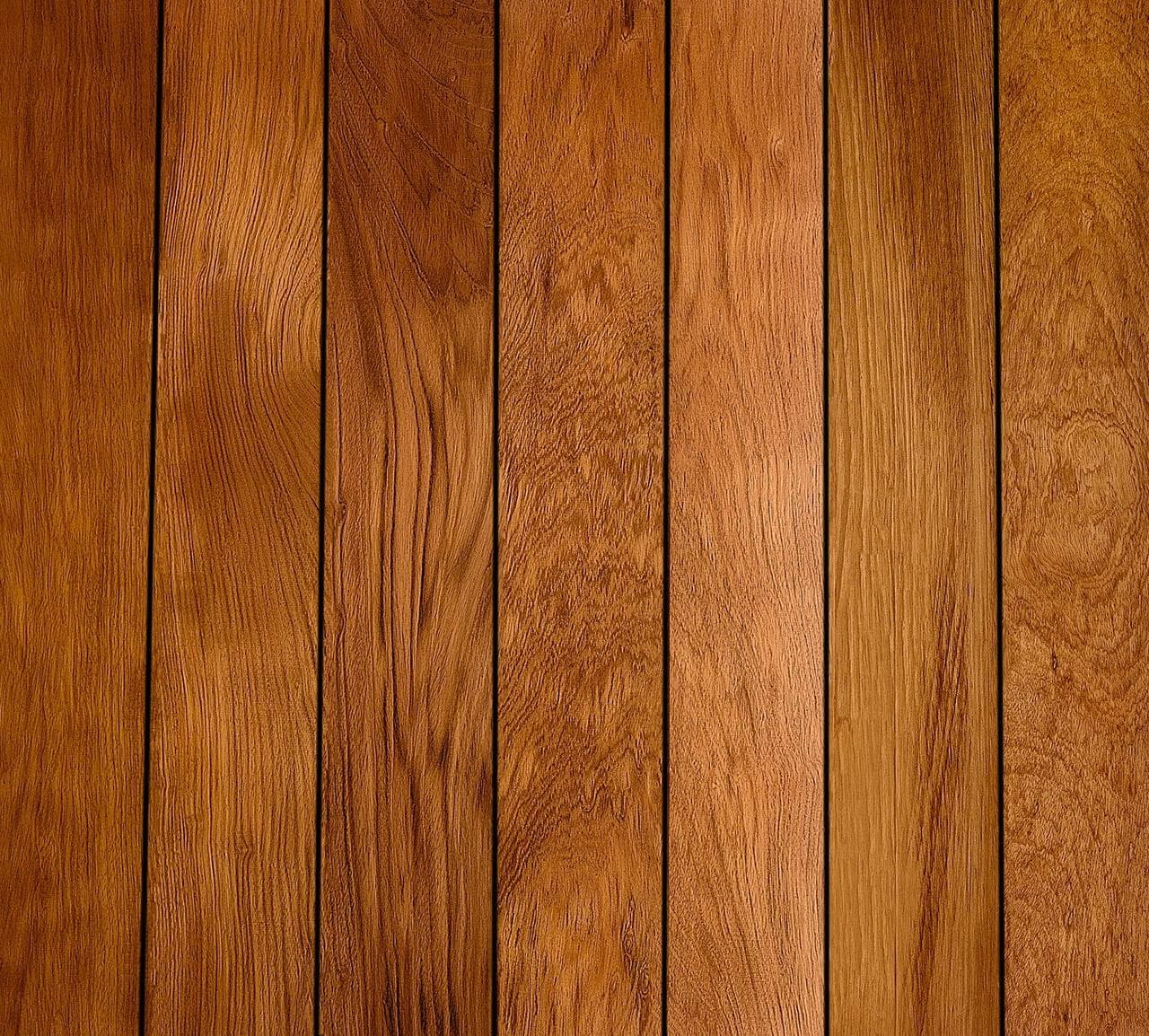
Understanding Fascia and Edge Trim for Decking
Fascia boards are typically installed vertically along the perimeter of the deck, covering the rim joist and the ends of the deck boards. This creates a clean, finished appearance, hiding the structural elements beneath the deck surface. Edge trim, while sometimes used interchangeably with fascia, can also refer to smaller decorative strips or profiles used to cap the exposed edges of individual deck boards or stairs.
For Jatoba decking, selecting compatible fascia and trim ensures that the entire deck system performs consistently and maintains its visual appeal. Jatoba, also known as Brazilian Cherry, is a high-strength, very durable hardwood known for its deep red color that develops with age and its resistance to weather changes and termites. These characteristics should be considered when choosing complementary materials. (S1)
Material Options for Jatoba Decking Fascia
The most common approach for Jatoba decking fascia is to use Jatoba boards themselves. This provides a perfect color and grain match, creating a seamless transition from the deck surface to the edge. Lumber Plus offers Jatoba decking in 5/4"x6" (1" x 5.5" actual) profiles, which can be used for fascia, depending on the desired visual depth and structural requirements. (S1)
Alternatively, other durable hardwoods like Ipe can be considered for fascia, particularly if a subtle contrast in color or grain is desired, or if specific dimensions are more readily available. However, matching the aging process and maintenance requirements between different wood species is important. Composite or PVC fascia products are also available, offering consistent color and minimal maintenance, but may not fully replicate the natural aesthetic of Jatoba.
Profile and Dimensions for Fascia Boards
The standard profile for Jatoba decking boards is 5/4"x6" (1" x 5.5" actual), available in lengths from 3 to 24 feet. (S1) When using these boards for fascia, the actual dimensions are important. A 1-inch thickness is generally suitable for fascia applications, providing sufficient rigidity and a substantial appearance.
The width of the fascia board should be chosen to cover the rim joist and the exposed ends of the deck boards adequately. For example, two 5.5-inch boards stacked vertically would cover an 11-inch depth.
Fastening Fascia Boards to Your Deck
Proper fastening is critical for fascia boards, as they are exposed to the elements and can be subject to movement. For Jatoba, pre-drilling is recommended to prevent splitting, given its high density and strength. (S1)
Face-fastening with corrosion-resistant screws is a common method. These screws should be long enough to penetrate the fascia board and securely anchor into the rim joist. Consider using screws with a head that can be countersunk and then plugged with Jatoba plugs for a clean, concealed look. Alternatively, color-matched screws can be used. Hidden fastening systems designed for fascia applications may also be an option, but always verify compatibility with Jatoba and the specific product's installation guidelines.
Worked Example: Calculating Jatoba Fascia for a Deck
Consider a hypothetical deck measuring 12 feet by 16 feet. We want to install Jatoba fascia around the entire perimeter.
1. **Calculate Total Perimeter:** (12 ft + 16 ft) * 2 = 56 linear feet.
To cover this depth, we will need two 5.5-inch wide boards stacked vertically (totaling 11 inches of coverage).
3. **Linear Feet per Layer:** 56 linear feet for the top layer, and 56 linear feet for the bottom layer, totaling 112 linear feet of fascia material.
4. **Board Lengths:** Jatoba decking boards are available in lengths from 3 to 24 feet. (S1) To minimize waste and seams, it's often best to order longer boards where possible. For a 12x16 deck, you might plan to use 12-foot and 16-foot boards to match the deck dimensions, or longer boards cut to fit. For our 112 linear feet, if we primarily use 16-foot boards, we would need 112 / 16 = 7 boards. It's always advisable to add 10-15% for cuts and waste.
5. **Total Order:** For this example, we would order approximately 8-9 boards of 16-foot 5/4"x6" Jatoba decking to cover the fascia, assuming two layers are needed for depth. This would provide roughly 128-144 linear feet, allowing for cuts and potential errors.
Before you order
- Determine the total linear footage of fascia required for your deck's perimeter.
- Measure the depth of your deck's rim joist to decide on the appropriate fascia board width and number of layers.
- Choose between using Jatoba boards for a seamless match or a contrasting material for your fascia.
- Select a fastening method (face-fastening with screws, hidden fasteners) and ensure compatibility with Jatoba.
- Account for waste by adding 10-15% to your linear footage calculations when ordering materials.
- Consider any special edge treatments for stairs or other transitions and identify suitable trim profiles.
- Confirm the availability of desired Jatoba board lengths to minimize seams.
Confirm installation details, approved uses and warranty terms in the current instructions for the exact product and profile. Your installer should verify the substrate, structure and applicable project requirements.
Questions to help you decide
Can I use regular Jatoba decking boards for fascia?
Yes, regular Jatoba decking boards are commonly used for fascia. The 5/4"x6" profile (1" x 5.5" actual) is often suitable, providing both durability and a perfect aesthetic match to your deck surface. You may need to use multiple boards to cover deeper rim joists. (S1)
Do I need to pre-drill when installing Jatoba fascia?
Yes, pre-drilling is highly recommended when installing Jatoba fascia. Jatoba is a very dense and high-strength hardwood, and pre-drilling helps prevent splitting of the boards during fastening. (S1)
How do I ensure the fascia color matches my deck over time?
Using Jatoba decking boards for your fascia is the best way to ensure a consistent color match and aging process. Jatoba is known as 'Brazilian Cherry' for the deep red color it develops as it ages. Using the same material for both the deck surface and fascia will allow them to mature together naturally. (S1)
Request a Quote for Your Jatoba Decking Project
Ready to finalize your deck design? Request a material quote with your project dimensions, exact profile preferences, and ZIP code. We can help you confirm current availability and service options for all your Jatoba decking, fascia, and trim needs.
Request a material quote →