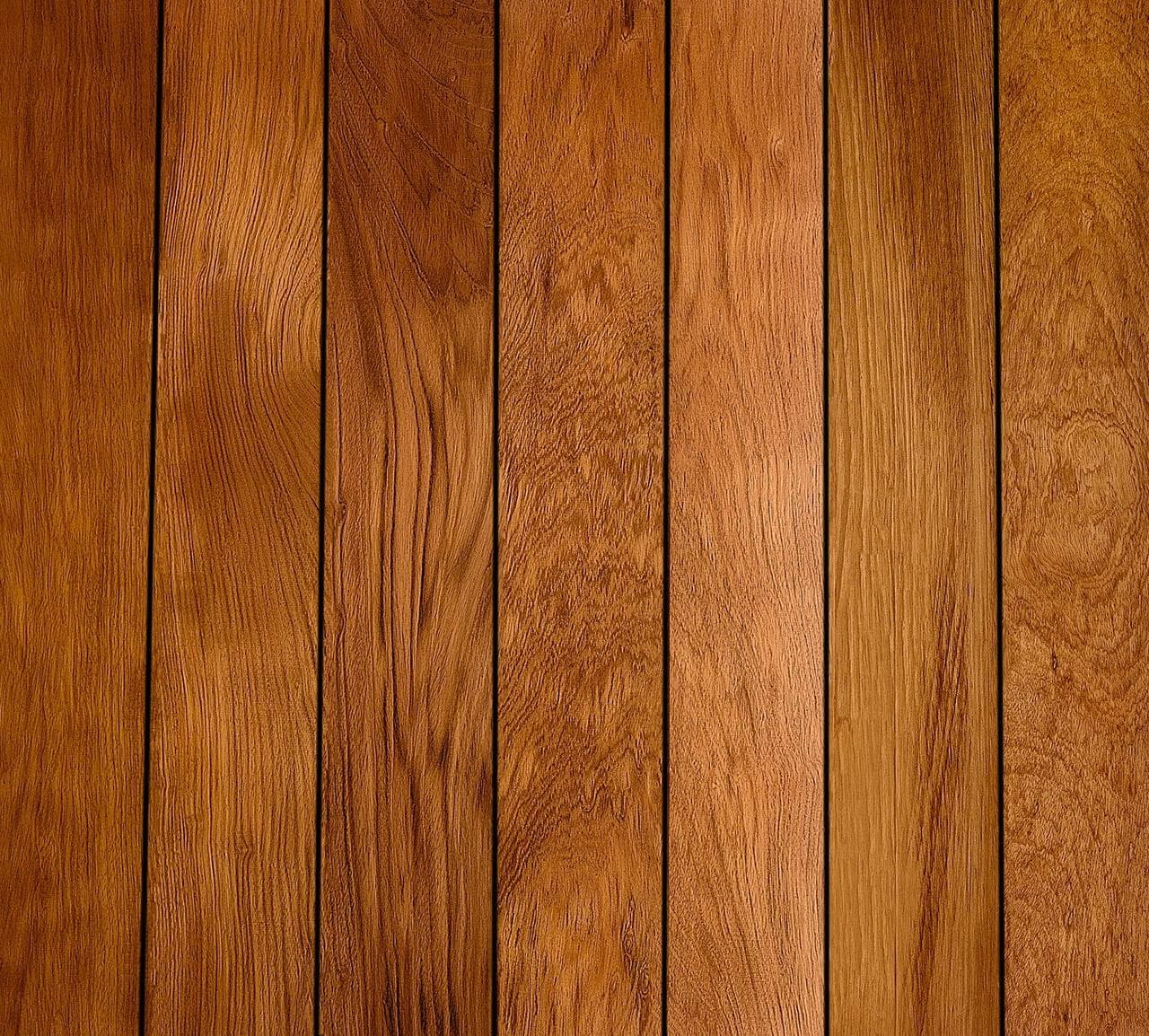
Why Choose Face-Fastening for Jatoba Decking?
Face-fastening involves securing deck boards directly to the joists by driving screws through the face of the board. This method creates a strong mechanical connection that is highly resistant to uplift and movement, which is particularly beneficial for dense hardwoods like Jatoba. Unlike some other decking materials, Jatoba's inherent strength and stability make it well-suited for this direct attachment.
A key advantage of face-fastening is the visible fastener, which can be a design choice. While some prefer a completely smooth surface, the presence of visible screws, especially when properly installed and potentially plugged, can add a traditional or craftsman aesthetic to the deck. It also simplifies future board replacement if needed, as individual boards can be accessed more directly.
Jatoba's natural durability and resistance to decay, mold, and fungi contribute to the longevity of a face-fastened deck.
However, the density of Jatoba means that pre-drilling is not just recommended, but generally required for face-fastening to prevent splitting and ensure proper screw penetration. This step is essential to protect the integrity of the board and the fastener connection.
Essential Questions About Fastener Selection
The type of screw used is paramount for face-fastening Jatoba. Given Jatoba's density and its outdoor application, ordinary screws are often insufficient. Discuss the following with your installer:
**What type of screws will be used?** Confirm that the screws are specifically designed for exterior hardwood decking. These resist rust and staining on the wood surface.
The gauge (diameter) should be appropriate for the board thickness and the expected structural load.
**Are self-tapping or self-drilling screws suitable?** While some screws are marketed as self-tapping, pre-drilling is still strongly advised for Jatoba to prevent splitting and ensure a clean installation. Relying solely on a self-tapping feature with such dense wood can lead to suboptimal results.
Pre-Drilling and Countersinking: Precision is Key
Pre-drilling is a non-negotiable step when face-fastening Jatoba. Your installer should be prepared to discuss their precise methods:
**What size drill bit will be used for pilot holes?** The pilot hole diameter must be slightly smaller than the screw shank to allow the screw threads to grip the wood effectively without causing undue stress or splitting. This is a critical detail that can vary slightly based on the specific screw chosen.
**Will all holes be countersunk?** Countersinking creates a conical recess for the screw head to sit flush with or slightly below the deck board surface. This prevents the screw head from protruding, which can be a tripping hazard or catch debris. For a clean finish, countersinking is essential.
Confirm the exact spacing from the board edges to prevent splitting and ensure optimal holding power.
To Plug or Not to Plug: Aesthetic and Practical Considerations
After face-fastening, you have the option to leave the screw heads exposed or to cover them with wood plugs. Plugging offers a clean, seamless look that highlights the natural beauty of the Jatoba wood, often preferred for its aesthetic appeal.
**Are wood plugs an option for this project?** If you desire a plug-free surface, discuss this with your installer. This involves drilling a slightly larger hole, fastening the board, then gluing a matching Jatoba plug into the hole, which is then sanded flush.
**What type of plugs will be used?** Ensure the plugs are made from Jatoba itself to ensure a consistent color and grain match as the deck ages. Plastic or composite plugs may not age gracefully with the natural wood.
**What is the process for installing and finishing plugs?** This typically involves using a specialized counterbore bit, applying waterproof exterior adhesive, inserting the plug with the grain aligned, and then sanding flush once the adhesive is cured. This is a labor-intensive process that adds to installation time and cost, but yields a refined finish.
Worked Example: Face-Fastening a 100 sq ft Jatoba Deck
Let's consider a hypothetical 10 ft by 10 ft deck (100 sq ft) using 5/4" x 6" Jatoba decking boards.
**1. Board Quantity:** A 5/4" x 6" board is effectively 1 inch thick and 5.5 inches wide (actual dimensions). To cover 10 feet (120 inches) in width, you would need approximately 120 / 5.5 = 21.8 boards. Round up to 22 boards for full coverage across the width. If boards are 10 feet long, you would need 22 boards. Allowing for cuts and waste, a common practice is to add 10-15% for waste. For 22 boards, you might plan to purchase 25 boards.
**2. Fastener Quantity:** Each board will span multiple joists.
**3. Pre-Drilling and Countersinking:** Every screw location requires a pilot hole and a countersink. This highlights the labor involved in proper face-fastening with Jatoba.
**4. Plugging (Optional):** If plugs are chosen, each screw hole will also require a matching Jatoba plug. This adds another 450-550 plugs to the material list and additional installation time for gluing and sanding.
Before you order
- Verify screw dimensions (length and gauge) are appropriate for Jatoba board thickness and joist penetration.
- Discuss the exact pilot hole drill bit size to prevent splitting.
- Ensure all fastener locations will be properly countersunk for a flush finish.
- Clarify the planned screw spacing for each board at every joist.
- Decide whether to use matching Jatoba wood plugs for a concealed fastener look.
- If plugging, confirm the plug material and installation/finishing process.
- Inquire about any specific tools or techniques for working with dense hardwoods like Jatoba.
Confirm installation details, approved uses and warranty terms in the current instructions for the exact product and profile. Your installer should verify the substrate, structure and applicable project requirements.
Questions to help you decide
Can I use a nail gun for face-fastening Jatoba?
Using a nail gun is generally not recommended for face-fastening dense hardwoods like Jatoba. The impact can split the wood, and nails typically do not provide the same long-term holding power as screws, especially as wood expands and contracts. Pre-drilling and screwing offer a much more secure and durable fastening method.
What kind of maintenance is required for face-fastened Jatoba decking?
Jatoba decking, whether face-fastened or not, benefits from regular cleaning to remove debris and prevent mildew. While Jatoba is naturally resistant to mold and fungi, applying a UV-inhibiting finish can help maintain its rich color and protect the wood from graying over time. The specific maintenance schedule can depend on exposure to sun and moisture. Always follow product-specific recommendations for any finishes or cleaners.
Will the screw heads be visible if I don't use plugs?
Yes, if you choose not to use wood plugs, the screw heads will be visible on the surface of your Jatoba deck. When properly countersunk, they will sit flush or slightly below the surface, but they will still be a noticeable part of the deck's aesthetic. This is a deliberate design choice for many homeowners, offering a more traditional decking appearance.
Ready to Plan Your Jatoba Decking Project?
For a material quote tailored to your project dimensions, desired Jatoba profile, and to confirm current availability and service options, please contact us. Provide your project's ZIP code for localized assistance.
Request a material quote →