Understanding the Visual Impact of Diagonal Layouts
A diagonal decking pattern, typically installed at a 45-degree angle to the house or primary structure, can dramatically alter the perception of a deck's size and shape. For compact spaces, it can create an illusion of greater width or length, drawing the eye across the deck rather than along its shortest dimension. On larger decks, it can serve as a design feature, defining zones or adding a sophisticated touch.
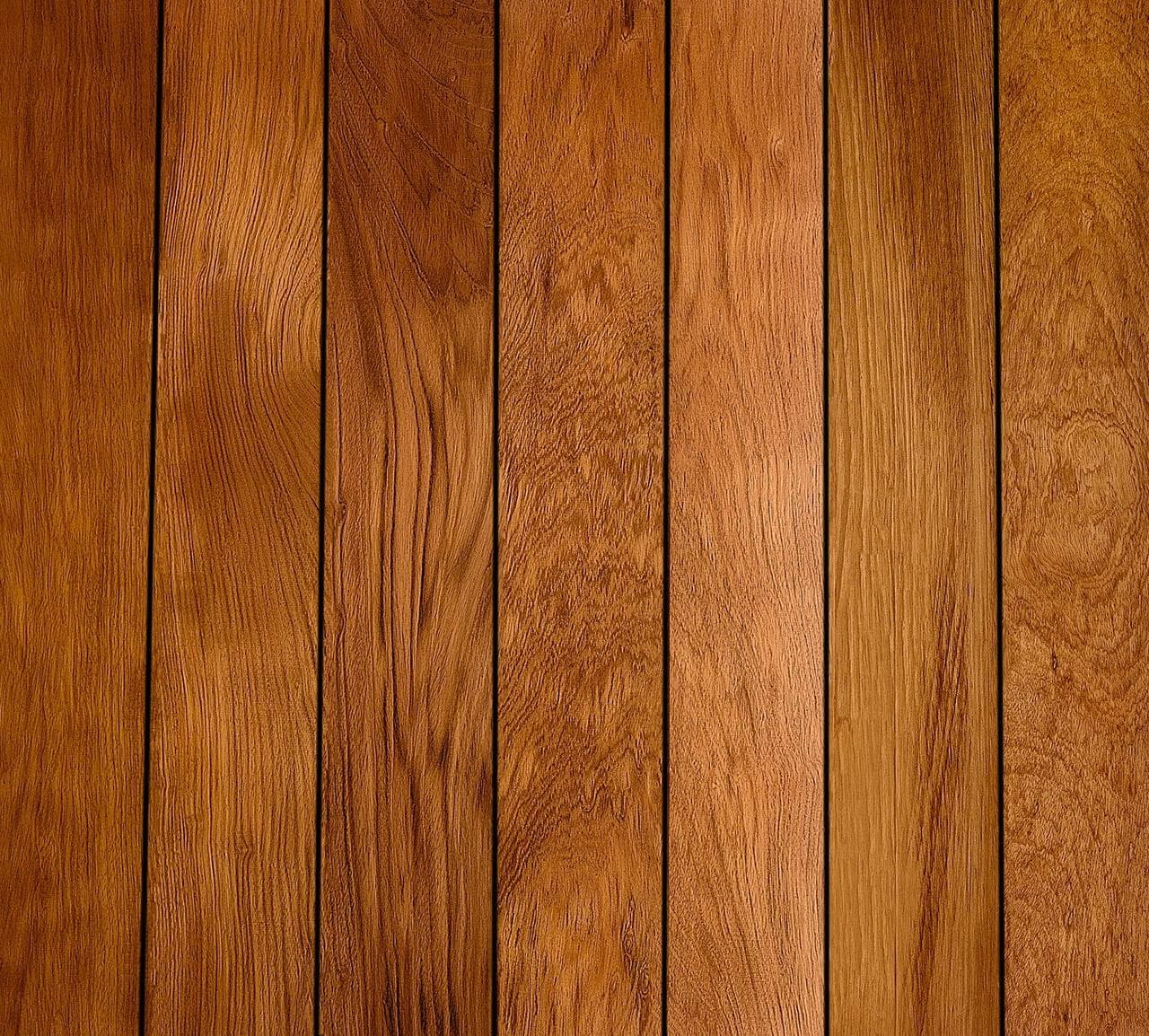
The rich, deep red tones of Jatoba (Brazilian Cherry) can be further highlighted by a diagonal installation. The varying angles of light hitting the grain at different times of the day can emphasize the wood's natural luster and color variations, adding depth and visual texture to your outdoor living area. This aesthetic choice often complements modern and contemporary architectural styles, but can also bring a unique flair to more traditional settings.
Increased Material Waste for Diagonal Cuts
One of the most significant considerations for a diagonal decking layout is the increased material waste. When cutting boards at an angle to fit the perimeter of the deck, triangular offcuts are often generated that cannot be easily reused, especially for continuous runs. This means you will need to purchase more material than you would for a straight layout covering the same square footage.
As a general rule, a diagonal layout can increase material waste by 15% to 20% compared to a straight installation. For Jatoba decking, available in profiles like 5/4"x6" (1" x 5.5" finished dimensions) and lengths from 3 to 24 feet, careful planning of board lengths and cut optimization is crucial to minimize waste. Always factor in this additional percentage when calculating your total board footage.
Consider using a detailed drawing or CAD program to plan your layout, mapping out board placement and cuts. This can help visualize potential waste and identify opportunities to use shorter pieces or offcuts in less visible areas, such as a starter board or a small infill section.
Adjusting Joist Spacing for Diagonal Loads
Diagonal decking boards impose loads on the deck substructure differently than boards laid perpendicular to the joists. With a diagonal pattern, each board effectively spans a greater distance across multiple joists, rather than resting directly on and being supported by each joist along its entire length. This can necessitate a closer joist spacing to maintain adequate support and prevent excessive deflection or bounce in the deck surface.
Before finalizing your diagonal layout, it is essential to consult with a structural engineer or a qualified builder to verify that your existing or planned joist spacing is sufficient. This ensures the deck can properly support its own weight, furniture, and live loads without compromising structural integrity.
Jatoba is a high-strength wood with an air dry density of 4.67 lbs/bf and a specific gravity of 0.94, making it a robust choice. However, even strong materials require proper underlying support, particularly when installed in a configuration that alters load distribution.
Manufacturer Spacing Requirements for Jatoba Decking
Regardless of the layout pattern, adhering to the manufacturer's specific spacing recommendations between decking boards is critical for proper drainage, ventilation, and accommodating natural wood movement. Jatoba, like other hardwoods, will expand and contract with changes in moisture and temperature. Incorrect spacing can lead to issues such as cupping, warping, or buckling.
Always verify the exact spacing requirements provided by the Jatoba decking supplier or manufacturer. This information is typically found in product installation guides or specification sheets. Do not assume generic spacing guidelines apply to all hardwood species or profiles.
Proper spacing also contributes to the longevity of your deck by allowing air circulation beneath the boards, which helps prevent moisture buildup and potential issues with mold or decay, to which Jatoba is naturally resistant. Ensuring consistent gaps across the entire diagonal layout will maintain a uniform appearance and functional performance.
Worked Example: Diagonal Layout for a 10x12 Foot Jatoba Deck
Let's consider a hypothetical 10-foot by 12-foot rectangular deck. For a straight layout using 12-foot long boards, you would need approximately 10 feet / 5.5 inches (board width) = 21.8 boards across the 10-foot width. Total boards: 22 boards x 12 feet = 264 linear feet. Assuming some minor waste, you might order around 280 linear feet.
The longest board needed would be for the diagonal across the entire deck, which for a 10x12 foot deck, is approximately 15.6 feet (using Pythagorean theorem for the diagonal of a 10x12 rectangle). However, most boards will be cut shorter at both ends. The increase in material needed is primarily due to the triangular waste generated at the perimeter cuts.
To estimate for a diagonal layout: Start with the square footage (10 ft x 12 ft = 120 sq ft). For 5.5-inch wide boards, this is 120 sq ft / (5.5 in / 12 in/ft) = 261.8 linear feet. Now, apply the increased waste factor. With a 15% waste factor for diagonal cuts: 261.8 linear feet * 1.15 = approximately 301 linear feet. With a 20% waste factor: 261.8 linear feet * 1.20 = approximately 314 linear feet.
This means you would likely need to order between 300 and 315 linear feet of Jatoba decking for this project, a noticeable increase from the straight layout. When ordering, consider the available board lengths (3-24 ft) to optimize your purchase and minimize cut-off waste that cannot be reused. Longer boards can sometimes reduce the number of cuts and potential waste, but also cost more per linear foot and are harder to handle.
Before you order
- Confirm desired aesthetic: Does a diagonal layout align with your overall design vision for the outdoor space?
- Calculate material needs: Have you accounted for a 15-20% increase in linear footage for diagonal cuts?
- Review joist spacing: Is your substructure adequately spaced (potentially closer than standard) to support diagonal decking boards and the weight of Jatoba?
- Verify manufacturer spacing: Have you checked the specific board spacing requirements for your chosen Jatoba decking profile?
- Plan cuts: Do you have a detailed cutting plan to minimize waste and optimize board lengths?
- Consider installation complexity: Are you or your installer prepared for the more intricate cutting and installation involved in a diagonal pattern?
Confirm installation details, approved uses and warranty terms in the current instructions for the exact product and profile. Your installer should verify the substrate, structure and applicable project requirements.
Questions to help you decide
What is Jatoba decking?
Jatoba, also known as Brazilian Cherry, is a high-strength, very durable hardwood originating from Brazil. It is valued for its deep red color, which darkens with age, and its natural resistance to termites and weather changes, making it a popular choice for outdoor decking. Jatoba is also naturally resistant to mold and fungi. (Source: S1)
How much extra material should I buy for a diagonal layout?
For a diagonal decking layout, it is generally recommended to account for an additional 15% to 20% material waste compared to a straight layout. This is due to the triangular offcuts generated when cutting boards to fit the perimeter of the deck. Always calculate your base linear footage first and then apply this waste factor. (Source: S1)
Do I need to change my deck joists for a diagonal layout?
A diagonal decking layout distributes weight differently across the substructure, effectively increasing the span between supports for each board. It is strongly recommended to consult a structural engineer or qualified builder to verify your joist spacing requirements for a diagonal installation. (Source: S1)
Ready to Plan Your Jatoba Decking Project?
Request a material quote with your project dimensions, desired Jatoba profile, and ZIP code. Confirm current availability and service options for your area. Explore our full range of Jatoba Decking, other Hardwood Decking, Composite Decking, and PVC Decking options.
Request a material quote →