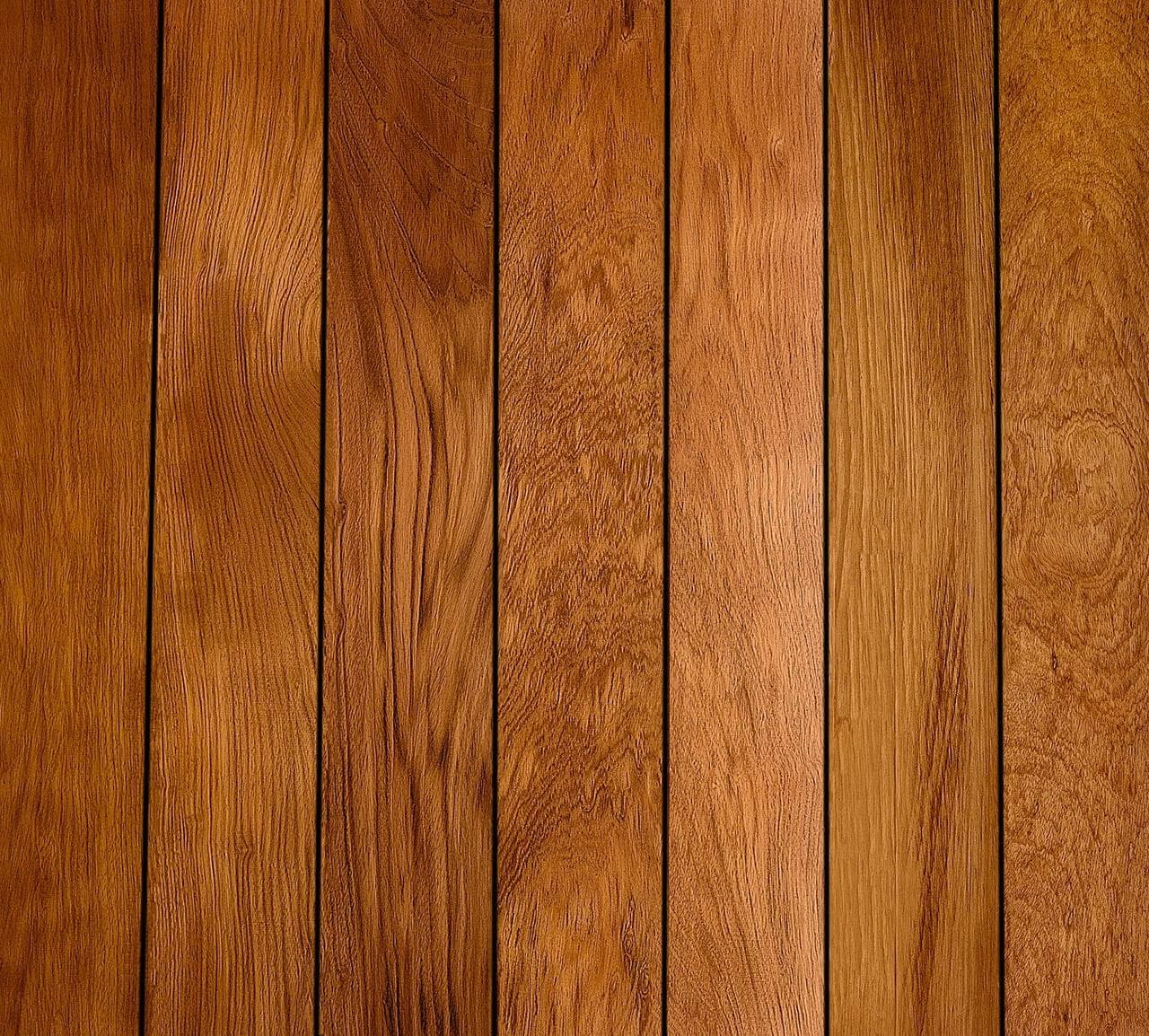
Understanding Jatoba for Covered Porches
Jatoba is a dense hardwood, renowned for its durability and rich appearance. Its botanical name is Hymenaea courbaril, and it originates from Brazil. This wood is naturally resistant to mold, fungi, termites, and weather changes, making it a suitable choice for exterior applications.
For a covered porch, Jatoba's resistance to weather changes means it can handle fluctuations in humidity and temperature that might occur even in a sheltered space. While protected from direct precipitation, a covered porch still experiences ambient moisture and temperature shifts. Its high strength ensures it can withstand the demands of foot traffic and furniture on a porch for many years.
One characteristic of Jatoba is its color aging. It develops a deeper, richer red hue over time, which contributes to its nickname, Brazilian Cherry. This natural color evolution will occur even in a covered setting, though perhaps at a slightly different rate than a fully sun-exposed deck.
Design Considerations for a Covered Porch
A covered porch serves as a transition zone between the interior of your home and the outdoors. When planning Jatoba decking for this area, consider how the deck will integrate with adjacent spaces. Think about the style of your home, the intended use of the porch, and the overall aesthetic you wish to achieve.
The rich, deep red tones of Jatoba can create a warm and inviting atmosphere. Consider how this color will complement your home's exterior paint, trim, and any interior flooring visible from the porch. Since Jatoba can be polished to a beautiful shine, you might choose a finish that enhances its natural luster, or allow it to weather naturally for a more subdued look.
Board width and length can influence the visual flow of your porch. Lumber Plus typically offers Jatoba decking in a 5/4"x6" profile (1" x 5.5" actual) in lengths ranging from 3 to 24 feet. Planning board layout to minimize seams and optimize visual continuity can enhance the overall appearance of your covered porch.
Coordinating Thresholds and Furniture
Thresholds are critical transition points from your home's interior to the covered porch. Ensure the height difference between your interior floor and the Jatoba decking is managed effectively for smooth passage and to prevent tripping hazards. This often involves careful planning with your contractor or builder to ensure proper sub-structure height.
For furniture, consider pieces that complement the natural beauty and color of Jatoba. The durability of Jatoba means it can support a variety of porch furniture, from dining sets to lounge chairs. Placing rugs or furniture pads under heavy items can help protect the decking surface over time. Even on a covered porch, furniture can be rearranged, so consider how the decking will look with different layouts.
If your covered porch has areas that are partially exposed to the elements, plan for furniture and rugs that are suitable for occasional moisture or sun exposure. This also applies to any decorative elements or planters you might place on the deck.
Worked Example: Designing a 10x20 Foot Covered Porch
Let's consider a hypothetical covered porch measuring 10 feet wide by 20 feet long. This gives us a total area of 200 square feet. We will use Jatoba decking boards with a nominal size of 5/4"x6" (actual dimensions 1" x 5.5").
To calculate the number of boards needed, we first determine the square footage per linear foot for a 5.5" wide board: (5.5 inches / 12 inches/foot) = 0.4583 square feet per linear foot. So, 200 sq ft / 0.4583 sq ft/linear foot = approximately 436 linear feet of decking.
If we assume an average board length of 12 feet for ordering purposes (though lengths vary from 3-24 ft), you would need approximately 436 linear feet / 12 feet/board = 36.33 boards. Given that you cannot purchase fractional boards, you would need to round up to 37 boards of this length. It is always recommended to add an additional 10-15% for cuts, waste, and future repairs. For this project, adding 15% (436 * 1.15 = 501.4 linear feet) would mean approximately 42 boards of 12-foot length.
For a 10-foot wide porch, laying the boards along the 20-foot length would require roughly 22 boards (10 feet / 5.5 inches per board = 10 * 12 / 5.5 = 21.8 boards). Each of these boards would be 20 feet long. You would then need 22 boards * 20 feet/board = 440 linear feet. Adding 15% waste brings this to 506 linear feet, or approximately 26 boards if ordering 20-foot lengths.
Always confirm board availability and specific project needs with your supplier, as actual purchased quantities will depend on available lengths, cut plans, and acceptable waste.
Maintenance for Jatoba Decking on a Covered Porch
While a covered porch offers protection, Jatoba decking still requires maintenance to preserve its appearance and durability. Regular cleaning to remove dust, leaves, and other debris is important. Sweeping or using a leaf blower can help prevent organic matter from accumulating and potentially causing stains.
Even under cover, the wood can benefit from occasional cleaning with a mild, pH-neutral cleaner to address any grime or mildew that might develop due to ambient humidity. Follow manufacturer guidelines for cleaning products compatible with hardwood decking. Jatoba is naturally resistant to mold and fungi, but a clean surface helps maintain its appearance.
Jatoba is easy to polish to a beautiful shine. If you choose to apply a finish or sealant, select one designed for exterior hardwoods and reapply as recommended by the product manufacturer. Even in a covered environment, UV exposure and humidity can affect finishes over time. Regular inspection for any signs of wear or damage will help you address issues promptly and extend the life of your decking.
Before you order
- Assess the overall design aesthetic of your home and how Jatoba's deep red tones will complement it.
- Plan for smooth and safe thresholds between the interior of your home and the covered porch.
- Consider the placement and type of furniture and other elements for your covered porch, ensuring compatibility with the decking.
- Calculate the required linear footage, including waste, based on your porch dimensions and preferred board layout.
- Determine your desired finished appearance: natural aging or a polished, sealed look.
- Establish a routine for regular cleaning and maintenance specific to a covered outdoor environment.
- Review available Jatoba decking profiles and lengths to optimize your order and minimize cuts.
- Consult with a professional installer or contractor for complex layouts or structural considerations.
Confirm installation details, approved uses and warranty terms in the current instructions for the exact product and profile. Your installer should verify the substrate, structure and applicable project requirements.
Questions to help you decide
Will Jatoba decking on a covered porch still change color?
Yes, Jatoba, also known as Brazilian Cherry, is known for its natural color aging process where it develops a deeper, richer red hue over time. While a covered porch protects it from direct, intense sunlight, ambient UV exposure and natural oxidation will still cause the wood to mature in color, though potentially at a slower rate than a fully exposed deck.
Is special ventilation needed for Jatoba decking under a covered porch?
Proper ventilation is important for any deck, including those under a covered porch, to prevent moisture buildup and promote air circulation. Even though it's covered, humidity can still be a factor. Ensure that the deck substructure allows for adequate airflow to help prevent issues like cupping or warping and to maintain the wood's health. Consult local building codes and your installer for specific ventilation requirements.
What are the best cleaning practices for Jatoba decking on a covered porch?
Regular sweeping or blowing to remove leaves, dust, and debris is essential. For deeper cleaning, use a mild, pH-neutral cleaner specifically designed for hardwood decking. Avoid harsh chemicals or pressure washers, as these can damage the wood. Rinse thoroughly with water and allow the deck to air dry. While Jatoba is naturally resistant to mold and fungi, consistent cleaning helps maintain its pristine appearance in a sheltered environment.
Ready to Plan Your Jatoba Covered Porch?
Request a material quote today with your project dimensions, desired Jatoba profile, and ZIP code to confirm current availability and service options. Explore our full range of Jatoba decking and complementary products for your outdoor living space.
Request a material quote →