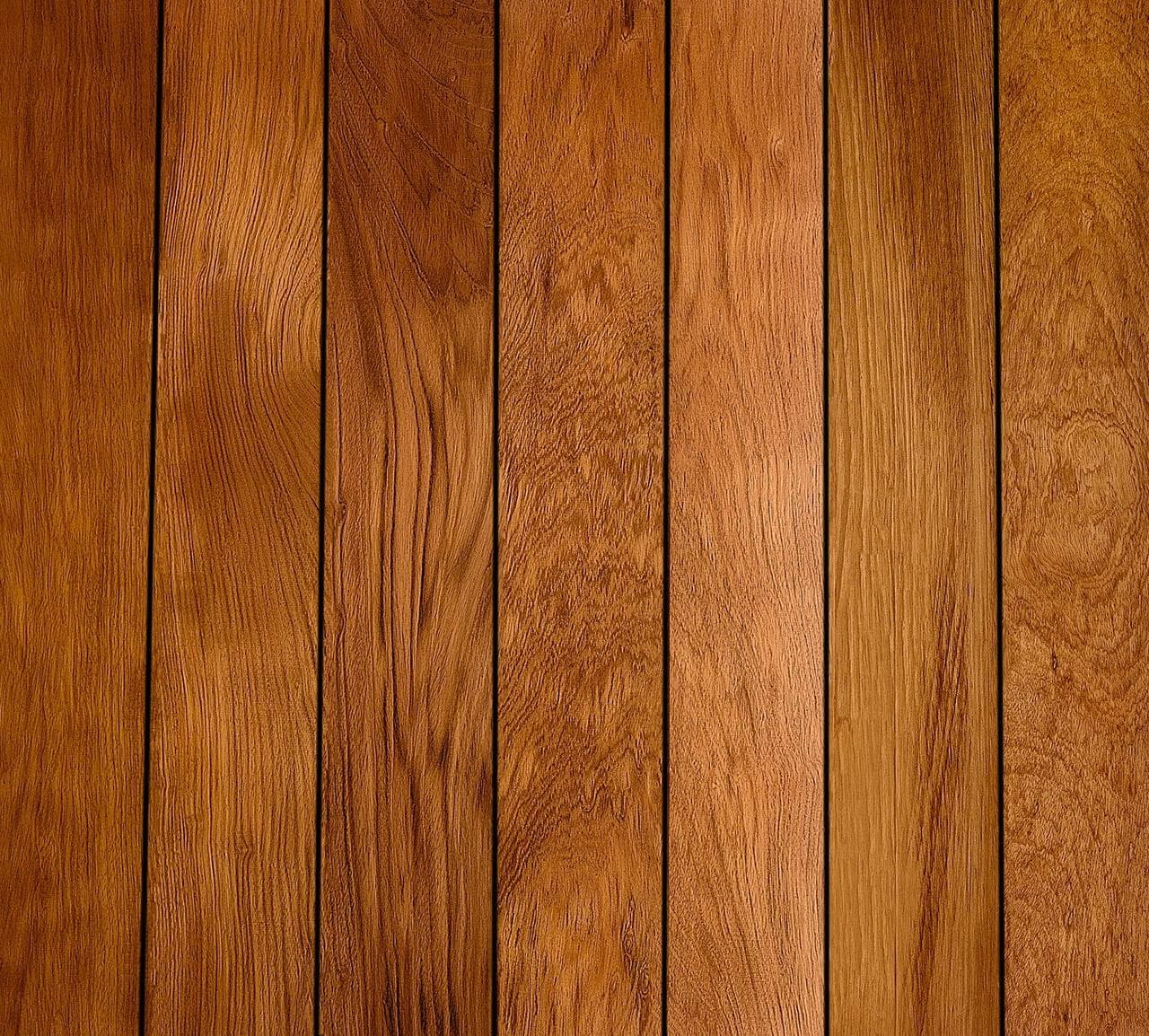
Confirming Your Deck Design and Dimensions
Before any material order can be placed, the final deck design and its precise dimensions must be settled. This includes the overall footprint of the deck, the desired board layout (e.g., straight lay, diagonal, picture frame), and any special features such as stairs, railings, or built-in seating. Your contractor will use these dimensions to calculate the total square footage and lineal footage required for the decking boards, fascia, and other components.
A detailed drawing or blueprint, even a hand-drawn sketch with accurate measurements, is essential. This document should clearly indicate the length and width of each section of the deck, accounting for any curves or irregular shapes. Ensure that all measurements are double-checked and agreed upon by both you and your contractor.
For Jatoba decking, available profiles typically include 5/4"x6" (actual 1" x 5.5") boards in lengths ranging from 3 to 24 feet. Knowing these available dimensions helps in planning the most efficient board layout and minimizing waste. Discuss with your contractor how board lengths will be utilized to reduce butt joints and optimize the aesthetic flow of the deck surface.
Selecting the Right Jatoba Profile and Finish
Jatoba decking is primarily available in specific profiles, such as the common 5/4"x6" (actual 1" x 5.5") dimensions. Confirming the exact profile with your contractor is crucial for accurate material calculations and ensuring compatibility with the planned substructure and fastening system. These boards are typically Kiln Dried (KD), which helps in stability.
While Jatoba is known for its natural resistance to mold, fungi, termites, and weather changes, how it is finished can influence its appearance and ongoing maintenance. Jatoba can be polished to a beautiful shine and develops a rich, deep red color as it ages. Discuss with your contractor whether a natural finish, oil, or sealant is preferred, as this may affect the initial installation process and future maintenance schedule.
Consider the overall aesthetic you wish to achieve. The natural color change of Jatoba over time is a key characteristic, deepening to its distinctive 'Brazilian Cherry' hue. Ensure this natural aging process aligns with your expectations for the finished deck.
Fastening Systems and Board Spacing
The choice of fastening system impacts both the appearance and the installation process of your Jatoba deck. Common options include hidden fasteners or face-fastening with screws. For Jatoba, pre-drilling is recommended for fastening due to its density.
Hidden fasteners create a smooth, unblemished surface, while face-fastening provides a visible, secure connection. Discuss the pros and cons of each with your contractor, considering factors like ease of installation, appearance, and long-term durability. Ensure the chosen fasteners are compatible with hardwood and suitable for exterior use.
Proper board spacing is also vital for drainage, ventilation, and accommodating natural wood movement. Your contractor should confirm the manufacturer's recommended spacing for Jatoba, which can vary based on board width, drying method, and expected environmental conditions. This detail affects the overall quantity of boards needed and the final appearance of the deck surface.
Planning for Decking Accessories and Complementary Materials
Beyond the primary decking boards, consider all necessary accessories and complementary materials. This often includes fascia boards for the deck perimeter, stair treads and risers, railing components, and possibly trim pieces for picture-frame borders. Jatoba can also be used for exterior joinery and stairs, offering a consistent aesthetic.
If you are integrating other materials, such as metal railings, lighting fixtures, or built-in planters, ensure these are accounted for in the overall plan. Discuss with your contractor how these elements will interface with the Jatoba decking and what specific dimensions or quantities are required for each.
For example, if you plan a picture-frame border, the lineal footage of Jatoba required for this detail needs to be calculated separately from the main field decking. Confirming these details upfront prevents last-minute material shortages or design compromises.
Worked Example: Calculating Jatoba Decking for a Simple Rectangle
Let's consider a hypothetical rectangular deck measuring 12 feet by 16 feet, using 5/4"x6" (actual 1" x 5.5") Jatoba decking boards laid straight across the 12-foot width.
First, calculate the total deck area: 12 ft x 16 ft = 192 square feet. Each board has an actual width of 5.5 inches (0.4583 ft).
To cover the 16-foot length, you'll need 16 ft / 0.4792 ft/board = approximately 33.39 boards. Since you can't order fractions of boards for the main field, you'll need 34 boards. So, the initial estimate is 34 boards x 12 feet/board = 408 lineal feet.
However, lumber is sold in specific lengths. If 12-foot boards are available, this is straightforward. If only 10-foot and 14-foot boards are available, your contractor will need to plan cuts. For instance, using 14-foot boards would result in a 2-foot offcut per board, which might not be reusable for this layout. Always factor in a waste percentage, typically 5-10%, depending on the complexity of cuts and desired board lengths. For this simple example, adding 5% for cuts and potential defects: 408 lineal feet * 1.05 = 428.4 lineal feet. This translates to roughly 36 boards of 12 feet each.
This calculation is simplified. Your contractor will provide a precise takeoff based on the final design, accounting for specific board lengths available, end cuts, and any fascia or stair components. Always confirm the exact quantity and lengths to be ordered.
Before you order
- Finalize deck dimensions and layout with your contractor.
- Confirm the specific Jatoba decking profile (e.g., 5/4"x6" actual 1" x 5.5") and desired lengths.
- Agree on the fastening system (hidden vs. face-fastened) and compatible fasteners.
- Verify recommended board spacing for Jatoba with your contractor.
- Identify all complementary materials: fascia, stair treads, railings, etc.
- Discuss and approve the estimated material quantities, including waste factor.
- Confirm delivery logistics and job site storage requirements.
- Review any specific installation considerations for Jatoba (e.g., pre-drilling, gluing).
- Establish a clear communication plan for any on-site adjustments or unforeseen issues.
Confirm installation details, approved uses and warranty terms in the current instructions for the exact product and profile. Your installer should verify the substrate, structure and applicable project requirements.
Questions to help you decide
What makes Jatoba a good choice for decking?
Its ability to be polished to a beautiful shine and its characteristic deep red color development with age make it an attractive and long-lasting option for outdoor decks.
Are there any special installation considerations for Jatoba decking?
Yes, due to its high density and strength, pre-drilling is recommended when fastening Jatoba decking boards. This helps prevent splitting and ensures secure attachment. Additionally, its tannins may complicate gluing, and slow drying is generally advised for any glued joints. Always refer to the manufacturer's specific installation guidelines and consult with your contractor.
How do I ensure my contractor orders the correct quantity of Jatoba decking?
To ensure an accurate order, provide your contractor with a detailed, final deck design including all dimensions. Discuss the specific Jatoba board profile and desired lengths. Your contractor should then perform a material takeoff, calculating the lineal footage needed for the main deck, fascia, and any other components, factoring in appropriate waste. Review and approve this detailed material list before the order is placed. Request a material quote with project dimensions, exact profile, and ZIP code.
Ready to Plan Your Jatoba Decking Project?
Request a material quote today with your project dimensions, exact profile, and ZIP code to confirm current availability and service options. Our team can help you coordinate your material needs.
Request a material quote →