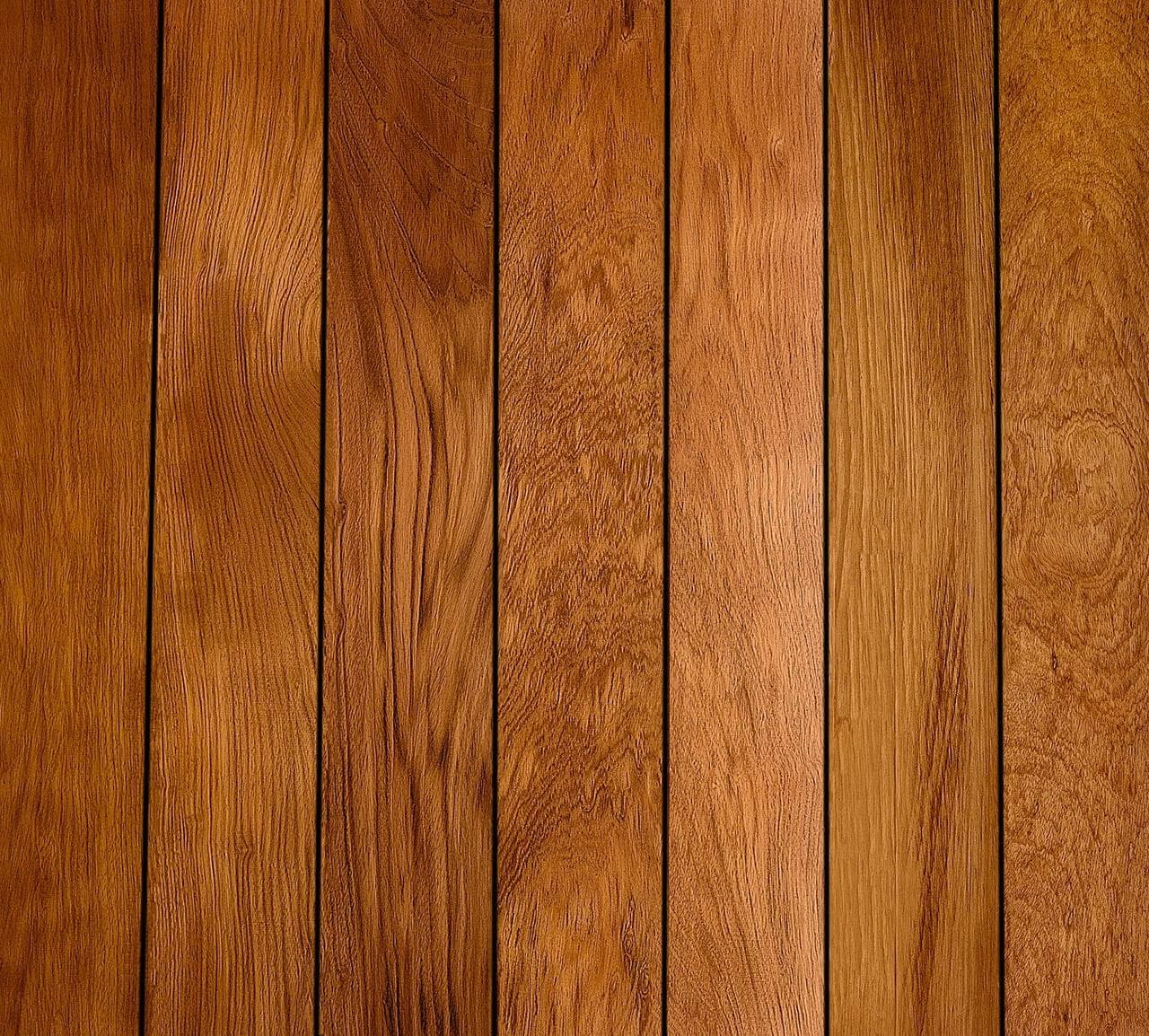
Jatoba's Natural Properties and Coastal Suitability
Jatoba is a dense, high-strength hardwood sourced from Brazil, known botanically as Hymenaea courbaril. It is often called Brazilian Cherry due to the rich, deep red color it develops as it ages. These attributes contribute to its reputation for durability and make it resistant to termites and weather changes.
For coastal applications, Jatoba's resistance to weather changes is a significant advantage. While it can withstand moisture and temperature shifts, direct and prolonged exposure to salt spray requires careful planning. Its natural resistance to mold and fungi also contributes to its suitability in humid coastal climates. However, no material is entirely impervious to the effects of a marine environment, and the specific installation and maintenance practices will influence its long-term performance.
Its ability to be polished to a beautiful shine also allows for various aesthetic finishes that can complement coastal architectural styles. Consideration should be given to how these finishes will perform under constant salt exposure.
Evaluating Salt Exposure and Its Impact on Jatoba
Coastal environments are defined by the presence of airborne salt particles, which can accelerate corrosion of metals and degrade certain wood finishes. For Jatoba decking, the primary concern with salt exposure is less about the wood itself and more about the fasteners and any applied sealants or finishes. Jatoba wood is dense, which helps limit salt penetration into the timber, but surface salt accumulation can still occur.
The intensity of salt exposure varies significantly based on proximity to the ocean, prevailing wind patterns, and the elevation of the deck. A deck directly on a beachfront will experience far greater salt spray than one several blocks inland. This level of exposure dictates the type of hardware and finishes that should be selected. Regular rinsing with fresh water can help remove accumulated salt from the deck surface, mitigating its effects.
It is important to understand that while Jatoba is resistant to 'weather changes,' this refers to general atmospheric conditions and not specifically to corrosive salt. Therefore, protective measures for the entire deck system, including the substructure and fasteners, are essential.
Choosing Compatible Hardware for Coastal Jatoba Decks
The selection of fasteners and connectors is critical for any deck, but especially for those in coastal areas. Standard galvanized fasteners may corrode quickly when exposed to salt and moisture, leading to structural compromise and unsightly staining on the decking. For Jatoba, which is a dense hardwood, pre-drilling is recommended for fasteners to prevent splitting. This also ensures a secure connection for the long term.
Grade 316 stainless steel offers superior corrosion resistance compared to 305, making it a preferred choice for areas with high salt spray. This applies to screws, nails, hidden fasteners, and any metal connectors used in the substructure. Even if hidden, fasteners are still exposed to the elements within the deck assembly.
Consider other metal components, such as joist hangers, post bases, and railing hardware. These should also be made from corrosion-resistant materials suitable for marine environments. The cost of suitable hardware may be higher, but it is a necessary investment to ensure the deck's longevity and safety in a coastal setting.
Worked Example: Planning Hardware for a Coastal Jatoba Deck
Let's consider a hypothetical coastal deck project: a 12-foot by 16-foot elevated deck for a home located 200 feet from the ocean, facing prevailing winds. The client prefers a hidden fastener system for a clean appearance.
With 12-foot boards, approximately 27 boards are needed for the 16-foot width (16 feet / 5.5 inches = 34.9 boards; rounding up for cuts and waste, approximately 35 boards).
This includes lag screws, bolts, and washers. The cost difference for 316 stainless steel hardware over standard galvanized will be notable, but it is a critical investment to prevent premature corrosion and potential structural failure in this high-exposure environment.
A final consideration for this project would be any railing components. If the railing system incorporates metal posts or balusters, these too should be marine-grade stainless steel or a similarly corrosion-resistant material designed for coastal use. The goal is to create a complete system where all components are equally resilient to the corrosive effects of the coastal environment.
Maintenance and Longevity in Coastal Climates
Even with a durable material like Jatoba and appropriate hardware, ongoing maintenance is essential for a coastal deck. Regular cleaning helps remove salt buildup, dirt, and organic debris that can trap moisture and promote mildew growth. A simple rinse with fresh water can be effective for routine salt removal.
Jatoba is naturally resistant to mold and fungi, but a coastal environment's high humidity can still pose challenges. Applying a suitable sealant or finish designed for exterior hardwood and marine environments can provide an extra layer of protection. These finishes can help repel water, reduce UV degradation, and minimize the effects of salt. It is important to choose a finish that is compatible with Jatoba and reapply it as recommended by the manufacturer.
Periodic inspections of the deck are also important. Check for any signs of fastener corrosion, loose boards, or areas where water might be pooling. Addressing these issues promptly can prevent minor problems from escalating into more significant repairs. The density of Jatoba means it takes finishes well and can be polished, which can aid in its maintenance and aesthetic upkeep.
Before you order
- Assess specific salt exposure level (proximity to ocean, wind direction).
- Verify all structural connectors (joist hangers, post bases) are marine-grade stainless steel.
- Plan for regular fresh water rinsing to remove salt buildup.
- Consider an exterior finish or sealant designed for hardwoods in marine environments.
- Include periodic inspections in your maintenance schedule.
- Ensure proper ventilation beneath the deck to prevent moisture accumulation.
- Account for the density of Jatoba, which requires pre-drilling for fasteners.
Confirm installation details, approved uses and warranty terms in the current instructions for the exact product and profile. Your installer should verify the substrate, structure and applicable project requirements.
Questions to help you decide
Is Jatoba decking suitable for all coastal areas?
Jatoba's high strength and resistance to weather changes make it a strong candidate for coastal areas. However, its suitability depends on specific factors like the intensity of salt spray and the chosen installation methods. Using marine-grade stainless steel fasteners and consistent maintenance, such as regular rinsing, are crucial for its long-term performance in these demanding environments.
What kind of fasteners should I use for Jatoba decking in a coastal environment?
This includes all screws, nails, and hidden fastening systems. Grade 316 stainless steel offers superior corrosion resistance compared to other grades and materials, which is essential when exposed to salt air and moisture. Pre-drilling is also advised due to Jatoba's density.
How often should I maintain my Jatoba coastal deck?
Regular maintenance is key for a coastal Jatoba deck. This typically involves frequent rinsing with fresh water to remove salt accumulation, especially after storms or periods of heavy salt spray. Depending on the finish applied, reapplication may be needed annually or bi-annually. Periodic inspections for any signs of corrosion or wear are also recommended to address issues promptly.
Request a Quote for Your Coastal Jatoba Deck Project
Ready to plan your durable coastal deck? Request a material quote today. Provide your project dimensions, desired Jatoba profile, and ZIP code to confirm current availability and service options.
Request a material quote →