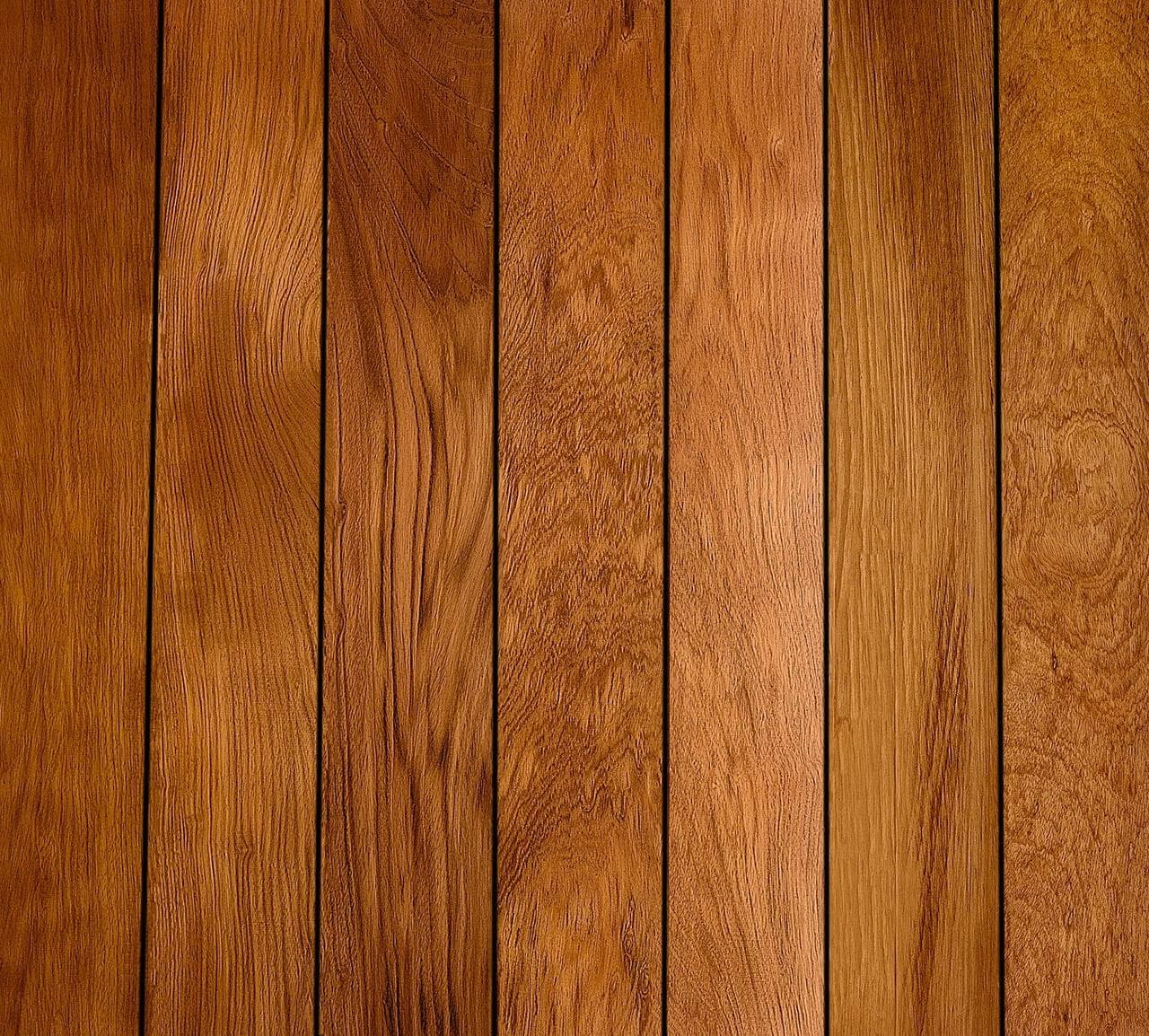
Understanding Jatoba Decking's Properties
Jatoba is a dense hardwood known for its deep red hue that develops with age. This wood is naturally resistant to termites, mold, fungi, and weather changes, making it a robust choice for exterior applications. These inherent qualities mean that harsh chemicals are often unnecessary and can be detrimental.
Its natural resistance and density are key factors in determining suitable cleaning methods. Products that are too aggressive can compromise these natural defenses or cause discoloration. The goal of cleaning Jatoba decking is to remove dirt and grime without stripping its natural finish or affecting its structural integrity.
Consult Manufacturer Care Guidelines First
The most authoritative source for cleaning your Jatoba decking is the manufacturer's or supplier's care and maintenance guide. This document provides specific instructions tailored to the exact product you purchased, including recommended cleaning agents, application methods, and products to avoid. These guidelines are crucial because they account for any specific treatments or finishes applied to the wood during processing.
Always prioritize these instructions over general advice. Disregarding manufacturer recommendations could potentially void any material claims or lead to unintended damage. If you no longer have the physical guide, check the supplier's website or contact their customer service for the most up-to-date information.
Types of Cleaning Products and Their Compatibility
Different cleaning products have varying chemical compositions and cleaning actions. For Jatoba decking, the general principle is to opt for the mildest effective solution.
Mild Soap and Water: For routine cleaning, a solution of mild dish soap or a pH-neutral cleaner mixed with water is often sufficient. This combination effectively removes surface dirt, pollen, and light stains without harsh chemicals. Always rinse thoroughly to remove any soap residue.
Deck Cleaners for Hardwoods: Many specialized deck cleaners are formulated for hardwoods. When considering these, look for products explicitly labeled as safe for dense hardwoods like Jatoba or Brazilian Cherry. Avoid cleaners containing bleach, oxalic acid, or strong acids/alkalines, as these can strip the wood's natural color, damage fibers, or react with tannins, leading to dark stains.
Oil-Based Cleaners and Restorers: If your Jatoba deck has been treated with an oil finish, specific oil-based cleaners or restorers might be appropriate. These products are designed to clean while replenishing the wood's natural oils. Ensure the product matches your deck's existing finish type.
Pressure Washing: While effective for stubborn dirt, pressure washing requires caution. Use a wide-fan tip (e.g., 25-degree or 40-degree) and keep the nozzle at least 12 inches from the deck surface to avoid gouging or damaging the wood fibers. Always test on an inconspicuous area first. For Jatoba's density, a lower PSI setting is generally recommended.
A Hypothetical Cleaning Scenario: Removing Mildew
Imagine your 10-foot by 15-foot Jatoba deck, exposed to a humid environment, develops a light film of mildew in a shaded corner. You want to clean it without damaging the wood's rich color.
Step 1: Consult the Manufacturer's Guide: Your first action is to review the care guide for your specific Jatoba decking product. Let's assume it recommends a non-chlorine, oxygen-based cleaner or a mild soap solution for mildew.
Step 2: Gather Supplies: You decide to start with the mildest option: warm water and a small amount of pH-neutral liquid dish soap. You also have a soft-bristle deck brush, a garden hose for rinsing, and buckets.
Step 3: Test a Small Area: Before applying to the entire mildewed area, mix a small batch of the soap solution (e.g., 1/4 cup soap per gallon of warm water). Apply it to an inconspicuous spot in the shaded corner, scrub gently, let it sit for a few minutes, and then rinse thoroughly. Observe for any discoloration or adverse effects once dry.
Step 4: Clean the Area: Since the test area shows no negative impact, you proceed to clean the mildewed section. Wet the deck surface with water, apply the soap solution, and scrub with the soft-bristle brush, working with the grain of the wood. Focus on lifting the mildew rather than aggressive scrubbing.
Step 5: Rinse Thoroughly: After scrubbing, rinse the entire area with a garden hose, ensuring all soap residue is removed. Allow the deck to air dry completely. If mildew persists, you might consider a specialized oxygen-based cleaner, again testing it on a small area first, as per the manufacturer's instructions.
Ongoing Maintenance and Prevention
Regular cleaning is the best defense against stubborn stains and the need for harsh chemicals. Sweep your Jatoba deck frequently to remove leaves, dirt, and debris that can trap moisture and promote mildew growth.
Address spills promptly, especially those from food, drinks, or pet waste, to prevent them from setting into the wood. Consider using outdoor rugs in high-traffic areas or under dining sets, but ensure they are breathable and moved regularly to allow the wood to dry evenly.
Applying a compatible UV-inhibiting oil or sealer, as recommended by your decking manufacturer, can also help protect the wood from weathering and make future cleaning easier. Always ensure any chosen finish is suitable for Jatoba and applied according to product instructions.
Before you order
- Have I consulted the manufacturer's specific care guide for my Jatoba decking?
- Is the cleaning product explicitly labeled as safe for dense hardwoods like Jatoba or Brazilian Cherry?
- Does the cleaning product contain harsh chemicals like bleach, oxalic acid, or strong acids/alkalines?
- Have I performed a spot test on an inconspicuous area of the deck before widespread application?
- Are my cleaning tools (brushes, pressure washer tips) appropriate for hardwood and used gently?
- Am I prepared to rinse the deck thoroughly to remove all cleaning product residue?
- Do I have a plan for routine sweeping and prompt spill cleanup to minimize intensive cleaning needs?
Confirm installation details, approved uses and warranty terms in the current instructions for the exact product and profile. Your installer should verify the substrate, structure and applicable project requirements.
Questions to help you decide
Can I use bleach to clean my Jatoba deck?
No, it is generally not recommended to use bleach on Jatoba decking. Bleach can strip the wood's natural color, potentially damage the wood fibers, and react with the natural tannins in Jatoba, leading to unwanted discoloration or dark spots. Always opt for milder, pH-neutral cleaners or specialized hardwood deck cleaners that are bleach-free.
How often should I clean my Jatoba deck?
The frequency of cleaning depends on your local environment and deck usage. For most decks, a thorough cleaning once or twice a year (e.g., in spring and fall) is sufficient. However, regular sweeping to remove debris and prompt cleanup of spills should be done more frequently to prevent buildup and stains. Decks in very humid or shaded areas might benefit from more frequent light cleaning to prevent mildew.
What kind of brush should I use to clean Jatoba decking?
Use a soft-bristle deck brush or a broom with synthetic bristles. Avoid stiff wire brushes or abrasive pads, as these can scratch the surface of the Jatoba and potentially damage the wood's grain or finish. Always scrub gently and work with the direction of the wood grain.
Ready to Maintain Your Jatoba Decking?
Ensure you have the right materials for your project. Request a material quote today with your project dimensions, exact profile, and ZIP code to confirm current availability and service options for Jatoba decking and compatible care products.
Request a material quote →