Understanding Jatoba Decking Board Availability
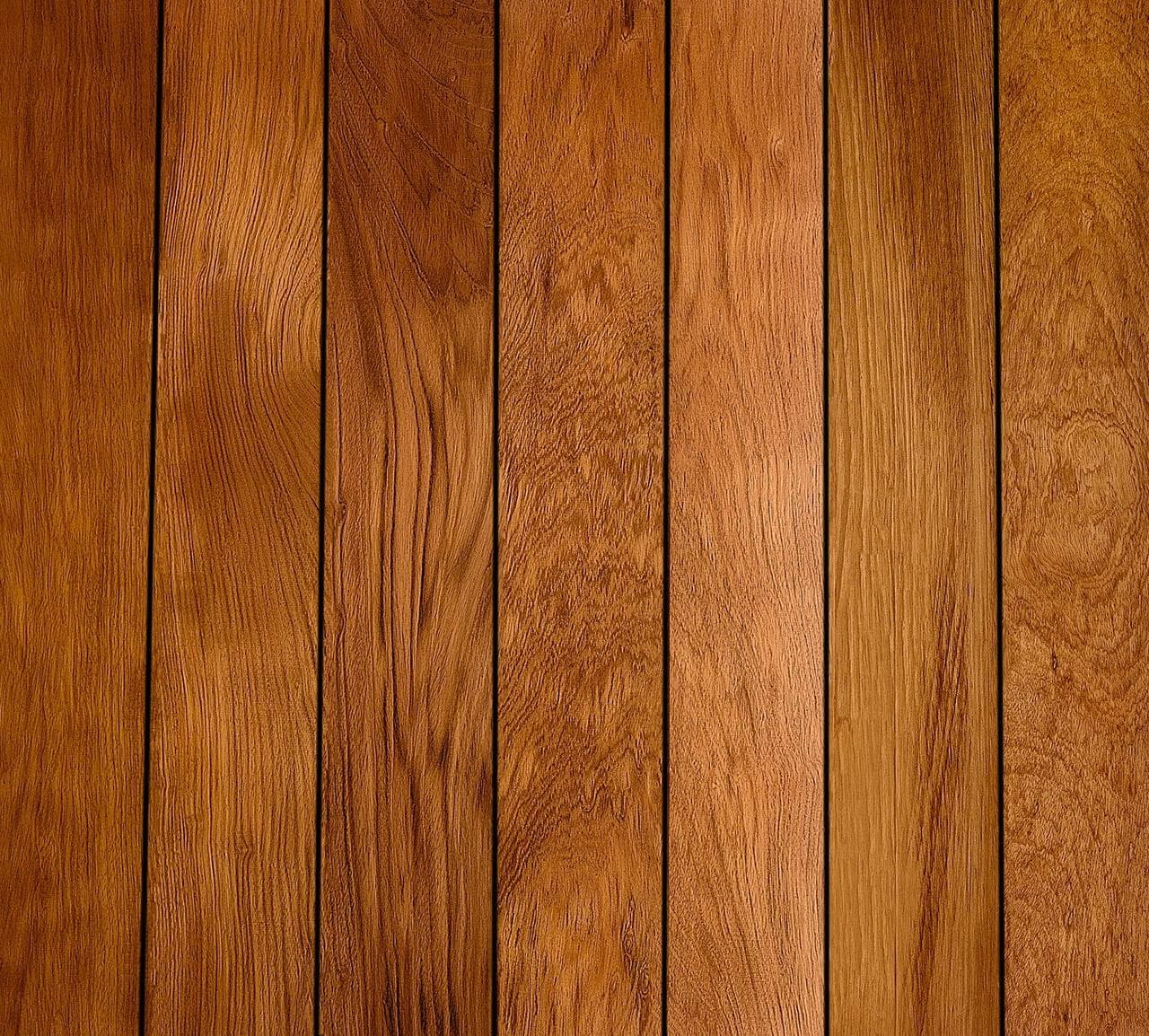
Jatoba, also known as Brazilian Cherry, is a high-strength, very durable hardwood known for its deep red color that develops with age. It is resistant to termites and weather changes, making it a suitable choice for exterior applications. Lumber Plus offers Jatoba decking in a 5/4"x6" profile, which measures 1" x 5.5" actual dimensions. These boards are kiln-dried (KD) and generally available in lengths ranging from 3 to 24 feet. This range provides considerable flexibility for various deck sizes and designs.
Knowing the available lengths is the first step in planning. Longer boards can reduce the number of seams, which may be desirable for a cleaner look, while shorter boards can be utilized for smaller sections or to minimize cuts and waste in certain layouts. The specific lengths in stock can vary, so it is always recommended to confirm current availability when requesting a quote for your project.
Types of Decking Joints and Their Impact
The way boards meet defines your deck's appearance and structural integrity. Proper support at every joint is critical for stability and preventing board ends from lifting or warping over time.
Offsetting joints, often referred to as a staggered pattern, is a common practice that distributes seams across the deck surface, avoiding a continuous line of joints. This not only enhances the visual appeal but also helps to prevent a single weak point. For longer decks, multiple boards will be required to span the length, necessitating several butt joints. Planning these joints carefully ensures they land squarely on joists.
Planning Your Deck Layout: Minimizing Waste and Optimizing Aesthetics
Effective layout planning involves balancing the desire for minimal seams with the practicalities of board lengths and waste reduction. Begin by drawing a detailed plan of your deck, noting all dimensions, obstructions, and the direction you intend to lay the boards. Generally, boards are laid perpendicular to the joists.
Consider the visual impact of your seams. A random, staggered pattern is often preferred for a natural look, avoiding a 'ladder' effect where all seams align. For larger decks, it may be beneficial to use longer boards for the main runs and shorter pieces to fill in where cuts are necessary, such as around posts or edges. Keep in mind that Jatoba is a high-strength wood, and pre-drilling is recommended for fastening, which is another factor in careful planning.
Worked Example: Calculating Board Lengths for a 12x18 Foot Deck
Let's consider a hypothetical deck measuring 12 feet wide by 18 feet long. We plan to lay the Jatoba boards parallel to the 18-foot dimension, meaning each run will be 18 feet long.
Since the available Jatoba lengths range up to 24 feet, an 18-foot run can be achieved with a single board, eliminating the need for butt joints along the length of the deck. This simplifies the layout and provides a clean, continuous appearance for each board.
The actual width of a 5/4"x6" Jatoba board is 5.5 inches. To cover the 12-foot (144-inch) width of the deck, we calculate: 144 inches / 5.5 inches/board = 26.18 boards. Since you cannot purchase a fraction of a board, you will need 27 boards. Each board will be 18 feet long.
Total linear feet needed: 27 boards * 18 feet/board = 486 linear feet. This calculation assumes minimal waste and no specific pattern that requires additional cuts. Always add a percentage for waste (typically 5-10%) to your final order, as cuts, defects, or minor layout adjustments may occur.
If, for example, 18-foot lengths were not available, and the longest available was 12 feet, then each 18-foot run would require one 12-foot board and one 6-foot board. These would meet with a butt joint over a joist.
Considering Coastal or Winter Exposure
For decks in areas with coastal exposure or harsh winters, careful planning of board lengths and joint placement is particularly important. Jatoba is known for its resistance to weather changes, which is a benefit in such environments. However, wood naturally expands and contracts with changes in humidity and temperature. While Jatoba is durable, allowing for proper spacing between boards and at butt joints is essential to accommodate this movement.
Consult manufacturer guidelines for specific spacing recommendations for your chosen fastening system and local climate conditions. Ensuring that all board ends are properly supported and sealed can help mitigate the effects of extreme weather, contributing to the deck's longevity.
Before you order
- Sketch your deck layout, noting all dimensions and board direction.
- Identify the total linear feet required for each run.
- Review available Jatoba decking lengths (3-24 ft for 5/4"x6" profile).
- Determine if full-length boards can span your deck sections to minimize seams.
- If not, plan butt joint locations to fall over joists.
- Decide on a staggered or random joint pattern for aesthetic appeal.
- Calculate the number of boards needed, adding 5-10% for waste.
- Consider the impact of weather exposure on board movement and joint spacing.
- Confirm current stock availability of desired lengths before ordering.
Confirm installation details, approved uses and warranty terms in the current instructions for the exact product and profile. Your installer should verify the substrate, structure and applicable project requirements.
Questions to help you decide
What are the standard lengths for Jatoba decking?
Lumber Plus typically offers Jatoba decking in lengths ranging from 3 to 24 feet for the 5/4"x6" (1" x 5.5" actual) profile. Availability of specific lengths can vary, so it's always best to confirm when planning your project.
How do I minimize waste when cutting Jatoba decking boards?
To minimize waste, plan your layout carefully. Try to use full-length boards where possible. For cuts, plan to use the offcut pieces for shorter sections of the deck, such as border details or smaller areas. Creating a detailed cut list before you begin will help optimize material usage.
Does Jatoba decking require special consideration for butt joints?
Yes, like all decking, Jatoba butt joints should always be placed directly over a joist for adequate support. This prevents the ends from flexing or lifting. Pre-drilling is recommended for fastening Jatoba, which applies to joints as well, to prevent splitting.
Ready to Plan Your Jatoba Deck?
Request a material quote today with your project dimensions, desired profile, and ZIP code to confirm current availability and service options for Jatoba decking. Our team can assist you in selecting the right lengths for your project.
Request a material quote →