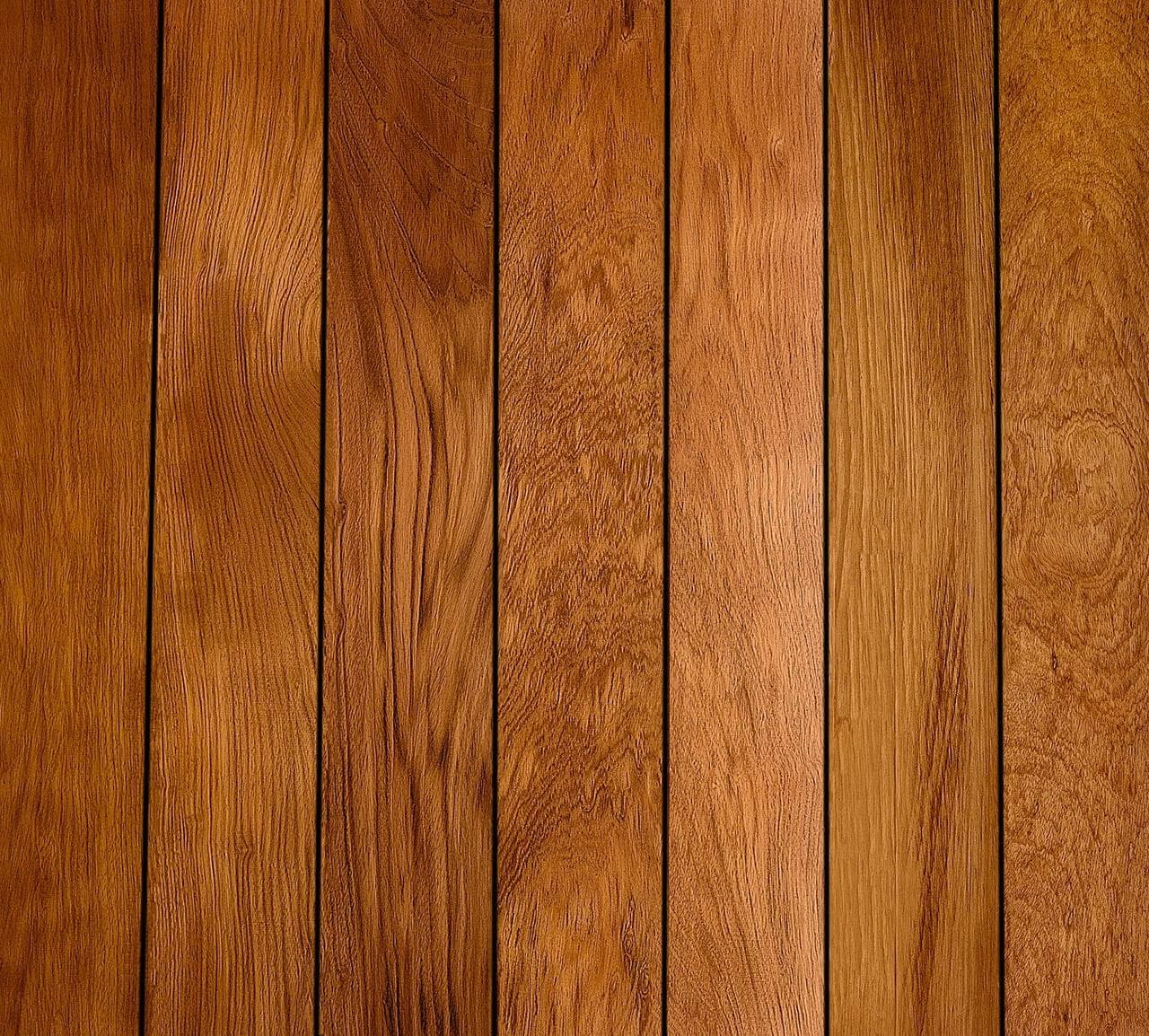
Understanding Jatoba: The Brazilian Cherry Advantage
Jatoba is a high-strength hardwood known for its deep reddish-brown color that develops further with age, earning it the nickname "Brazilian Cherry." Its density and natural resistance to termites and weather changes make it a durable choice for outdoor applications.
Beyond its strength, Jatoba is also naturally resistant to mold and fungi, contributing to its long-term performance in various climates. These inherent properties mean that a Jatoba deck can maintain its integrity and appearance, even with the spills and foot traffic that come with frequent entertaining. It's a material that combines visual appeal with practical resilience.
Lumber Plus sources Jatoba from suppliers dedicated to environmentally responsible practices, ensuring the longevity of the forests from which this wood is harvested. This commitment allows you to choose a beautiful and durable material with confidence.
Defining Your Gathering Zones: A Layout Strategy
A successful gathering deck often incorporates distinct zones for various activities. Consider the flow between these areas: a cooking zone near the house, a dining area, and a lounging or conversation space. Mapping these zones helps determine board direction, transitions, and any specific requirements for each area.
For example, a cooking area might benefit from a more resilient finish to handle potential grease splatters, while a lounging area might prioritize a smoother, more comfortable surface. Jatoba's uniform profile (typically 1" x 5.5" or 5/4" x 6" boards) allows for a consistent look across all zones, with variations in finish or furniture defining the transitions.
When planning, think about how many people you typically host and what activities they engage in. This will inform the size and placement of each zone. Adequate space around dining tables and seating arrangements ensures comfortable movement and prevents overcrowding.
Board Selection and Layout for Visual Appeal and Function
Jatoba decking is available in various lengths, typically ranging from 3 to 24 feet. This range allows for flexibility in designing your deck layout, minimizing seams and optimizing board usage. For a gathering space, longer boards can create a more expansive, uninterrupted feel, especially in larger dining or lounging areas.
Consider the direction of your decking boards. Running boards parallel to the house can make a space feel wider, while a perpendicular or diagonal layout can add visual interest or help define zones. For example, you might run boards perpendicular to the house in the main dining area, then shift to a parallel orientation for a distinct lounge space, using a picture-frame border to delineate the change.
Regardless of the layout, consistent board spacing is crucial for proper drainage and ventilation, which helps maintain the deck's longevity. Always follow the manufacturer's recommended spacing for your specific Jatoba product.
Finishing Your Jatoba Deck: Enhancing Durability and Aesthetics
Jatoba's natural color deepens with age, and it can be polished to a beautiful shine. The choice of finish significantly impacts both the appearance and maintenance of your gathering deck. An oil-based finish can enhance the wood's natural reds and browns, offering a rich, warm look. This type of finish typically requires periodic reapplication to maintain its luster and protective qualities.
Alternatively, allowing Jatoba to weather naturally without a finish will cause it to gradually lighten and silver over time, similar to other hardwoods. This option offers a lower-maintenance aesthetic, though regular cleaning is still recommended to prevent dirt and grime buildup. For high-traffic areas or zones prone to spills (like near a grill), a penetrating oil finish can provide additional protection while still allowing the wood's natural beauty to show through.
Pre-drilling is recommended during installation, especially when using fasteners, to prevent splitting in this dense hardwood. Discuss finishing options with your installer to ensure compatibility with your chosen fastening method and desired maintenance routine.
Worked Example: Designing a Multi-Zone Gathering Deck
Let's consider a hypothetical 20-foot by 15-foot backyard deck designed for gathering. We'll divide it into three primary zones: a 10x10-foot dining area, a 10x5-foot grilling station, and a 10x10-foot lounge area.
For the 10x10-foot dining area, we select 5/4" x 6" Jatoba boards laid parallel to the longest side of the house (20-foot dimension). This means each board covers 5.5 inches in width. To cover 10 feet (120 inches), we would need approximately 120 / 5.5 = 21.8 boards. Rounding up, we'd purchase 22 boards for each 10-foot run. If we assume 12-foot lengths are commonly available and cut to 10 feet, this is efficient.
The 10x5-foot grilling station, adjacent to the dining area, could use the same board direction for continuity. For the 5-foot width (60 inches), we'd need 60 / 5.5 = 10.9 boards, so 11 boards. The 10x10-foot lounge area, on the other side of the dining space, would mirror the dining area's board count.
For a seamless look, consider ordering slightly more material than calculated to account for cuts, waste, and potential future repairs. A general waste factor of 10-15% is often recommended for hardwoods. This example assumes straight cuts and no complex patterns. For diagonal layouts or intricate borders, the waste factor may increase.
Before you order
- Identify primary activities: cooking, dining, lounging, play.
- Map out distinct zones and their desired dimensions on a plan.
- Consider traffic flow between zones: ensure clear pathways.
- Choose Jatoba board profile (e.g., 5/4" x 6") and available lengths.
- Plan board direction (parallel, perpendicular, diagonal) to define zones or enhance space.
- Select a finish (oil-based, natural weathering) based on desired appearance and maintenance.
- Account for proper ventilation and drainage in the overall deck design.
- Estimate material quantities, including a waste factor for cuts and future needs.
- Confirm compatible fastening methods for Jatoba and your chosen finish.
- Consider complementary elements like railings, built-in seating, and lighting.
Confirm installation details, approved uses and warranty terms in the current instructions for the exact product and profile. Your installer should verify the substrate, structure and applicable project requirements.
Questions to help you decide
Why is Jatoba a good choice for a gathering deck?
Jatoba, also known as Brazilian Cherry, is a high-strength, very durable hardwood with natural resistance to termites, mold, fungi, and weather changes. Its resilience and deep, rich color make it suitable for high-traffic gathering spaces and outdoor entertainment areas, offering both beauty and longevity.
How does Jatoba's color change over time?
Jatoba is nicknamed "Brazilian Cherry" because of the rich, deep red color it develops as it ages. If left unfinished, it will gradually weather to a silver-gray patina, similar to other hardwoods. Applying an oil-based finish can help maintain and enhance its original warm tones.
What maintenance does Jatoba decking require?
Jatoba is relatively low maintenance due to its natural durability and resistance. Regular cleaning with a broom or hose is recommended to remove dirt and debris. If a finish is applied, periodic reapplication will be necessary to protect the wood and preserve its color. For specific cleaning products, always confirm compatibility with your chosen finish and the wood itself.
Plan Your Jatoba Gathering Deck
Ready to build a durable and inviting backyard gathering space with Jatoba decking? Request a material quote today. Provide your project dimensions, desired Jatoba profile, and ZIP code to confirm current availability and service options.
Request a material quote →