Understanding Ipe for Courtyard Applications
Ipe wood, also known as Brazilian walnut, is a dense hardwood originating from South America. Its natural properties make it suitable for outdoor applications, including decking in various environments. For a courtyard outdoor room, Ipe offers a foundation that is resistant to common outdoor stressors.
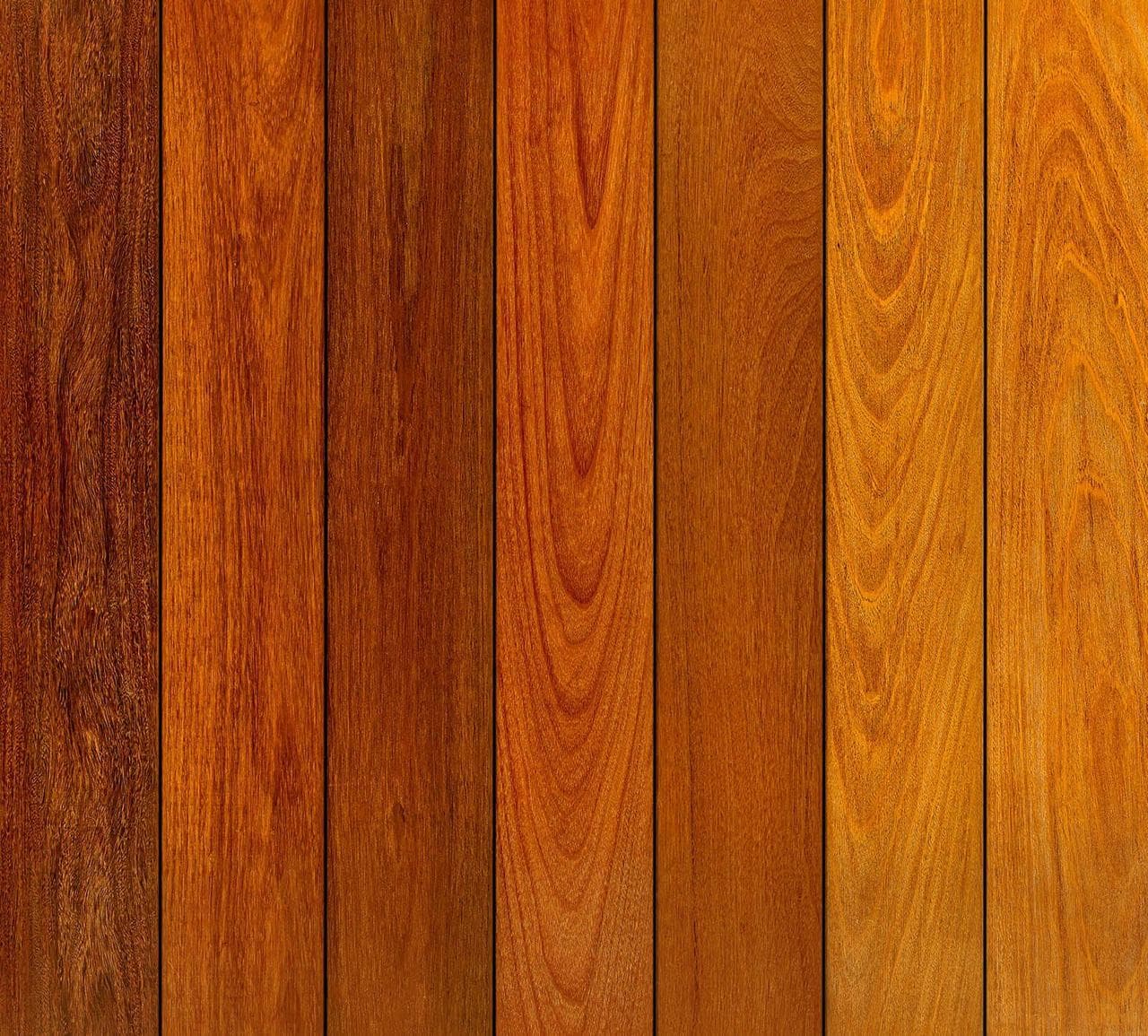
The wood’s color ranges from reddish-brown to olive-brown, providing a rich, natural palette that can complement diverse design aesthetics. When planning for a courtyard, consider how this natural color will interact with surrounding walls, planters, and furnishings. Ipe's minimal movement post-installation contributes to a stable surface, which is an important factor in high-traffic outdoor living spaces.
Profiles and Dimensions for Courtyard Decks
Ipe decking is available in a variety of profiles and dimensions, typically ranging from 1"x2" to 6"x6" in lengths from 3 to 24 feet. For courtyard projects, the choice of board width can influence the perceived size and flow of the space. Wider boards might create a more expansive feel, while narrower boards can add intricate detail.
Consider the overall dimensions of your courtyard when selecting board lengths. Minimizing seams can lead to a cleaner, more continuous appearance. Work with your contractor to plan a layout that optimizes material use and reduces waste, especially in irregularly shaped courtyards. Square-edge profiles are common and can be face-fastened or used with compatible hidden fastening systems.
Maintenance Expectations for Ipe in Courtyards
Ipe wood is considered low maintenance, particularly when compared to some other decking materials. It is naturally resistant to rot, insects, and mold, which is beneficial for outdoor spaces that may experience varying moisture levels. If left untreated, Ipe will naturally weather to a silvery-gray patina, a look many find appealing for its aged character.
To maintain the original reddish-brown to olive-brown color, a UV-blocking sealer can be applied periodically. Regular cleaning, such as sweeping and occasional washing with a mild cleaner, helps remove dirt and debris. This simple routine can help preserve the deck's appearance over time. Understanding these maintenance options upfront allows you to choose the aesthetic that best suits your vision for the courtyard outdoor room.
Worked Example: A 10' x 12' Courtyard Deck
Let's consider a hypothetical courtyard measuring 10 feet by 12 feet, where we plan to install Ipe decking using 1"x6" boards (actual dimensions approximately 0.75" x 5.5"). The total area is 120 square feet. Assuming a linear lay-out where boards run the 12-foot length.
For a 10-foot width, we would need approximately 10 feet / 5.5 inches per board = 21.8 boards. Rounding up, we would purchase 22 boards. Each board is 12 feet long. So, the initial quantity is 22 boards x 12 feet/board = 264 linear feet of 1"x6" Ipe. This calculation is for coverage only; actual purchase quantities should account for cuts, waste, and a small overage, typically 5-10%, depending on the complexity of the layout. For this example, adding 10% for waste and cuts means approximately 290 linear feet. Always confirm with your installer and supplier.
This example assumes a simple rectangular layout. If the courtyard has irregular shapes, planters, or other built-in features, the waste factor will likely increase. Proper planning of board lengths and cuts is essential for an efficient installation.
Integrating Ipe with Courtyard Design Elements
An Ipe deck can serve as the central feature of a courtyard outdoor room, but its integration with other elements is key to a cohesive design. Consider how the decking material will interact with existing brickwork, stone, or greenery. The rich tones of Ipe can provide a warm contrast to cooler materials or blend seamlessly with natural landscaping.
Think about accessories like planters, outdoor furniture, and lighting. The durability of Ipe means it can support heavy planters or built-in seating structures, but ensure the underlying deck frame is designed for such loads. For lighting, consider recessed deck lights to enhance ambiance and safety without cluttering the compact space. Complementary products like Ipe fascia boards can be used for a finished edge, and matching Ipe lumber can be used for benches or planters to create a unified look. Explore options like our general decking accessories or specific hardwood decking products to complete your design.
Before you order
- Evaluate courtyard dimensions and shape to determine optimal board length and width.
- Decide on desired Ipe appearance: natural silver-gray patina or maintained original color with UV-blocking sealer.
- Confirm structural support requirements for Ipe decking, especially if adding heavy planters or built-in elements.
- Plan for proper drainage within the courtyard to prevent water accumulation on or under the deck.
- Consider the type of fastening system (hidden vs. face-fastened) and its implications for installation and appearance.
- Account for ventilation under the deck, critical in enclosed courtyard spaces to prevent moisture issues.
- Request a material quote with exact project dimensions, preferred Ipe profile, and your ZIP code.
Confirm installation details, approved uses and warranty terms in the current instructions for the exact product and profile. Your installer should verify the substrate, structure and applicable project requirements.
This is a planning guide for projects in New York, NY. Ask our team to confirm availability, delivery to your ZIP code and which branch can support your order.
Questions to help you decide
How does Ipe perform in varied New York, NY weather conditions?
Ipe is highly weather-resistant. Its natural oils protect it from cracking or warping, making it suitable for the seasonal temperature fluctuations and moisture common in the New York, NY area. It is resistant to both moisture exposure and extreme weather changes, contributing to its longevity in outdoor environments.
Can Ipe decking be installed over an existing concrete courtyard slab?
Yes, Ipe decking can often be installed over an existing concrete slab, provided the slab is structurally sound, level, and allows for proper drainage and ventilation underneath the deck. It is crucial to ensure adequate airflow to prevent moisture buildup. Consult with an experienced installer to assess the existing slab and plan the appropriate sub-structure.
What is the typical lifespan of an Ipe deck in a courtyard setting?
Its natural density and resistance to rot and insects contribute to this durability, making it a long-term investment for your courtyard outdoor room.
Ready to Plan Your Ipe Decking Courtyard Outdoor Room?
Request a material quote today. Provide your project dimensions, desired Ipe profile, and ZIP code to confirm current availability and service options for your New York, NY project.
Request a material quote →