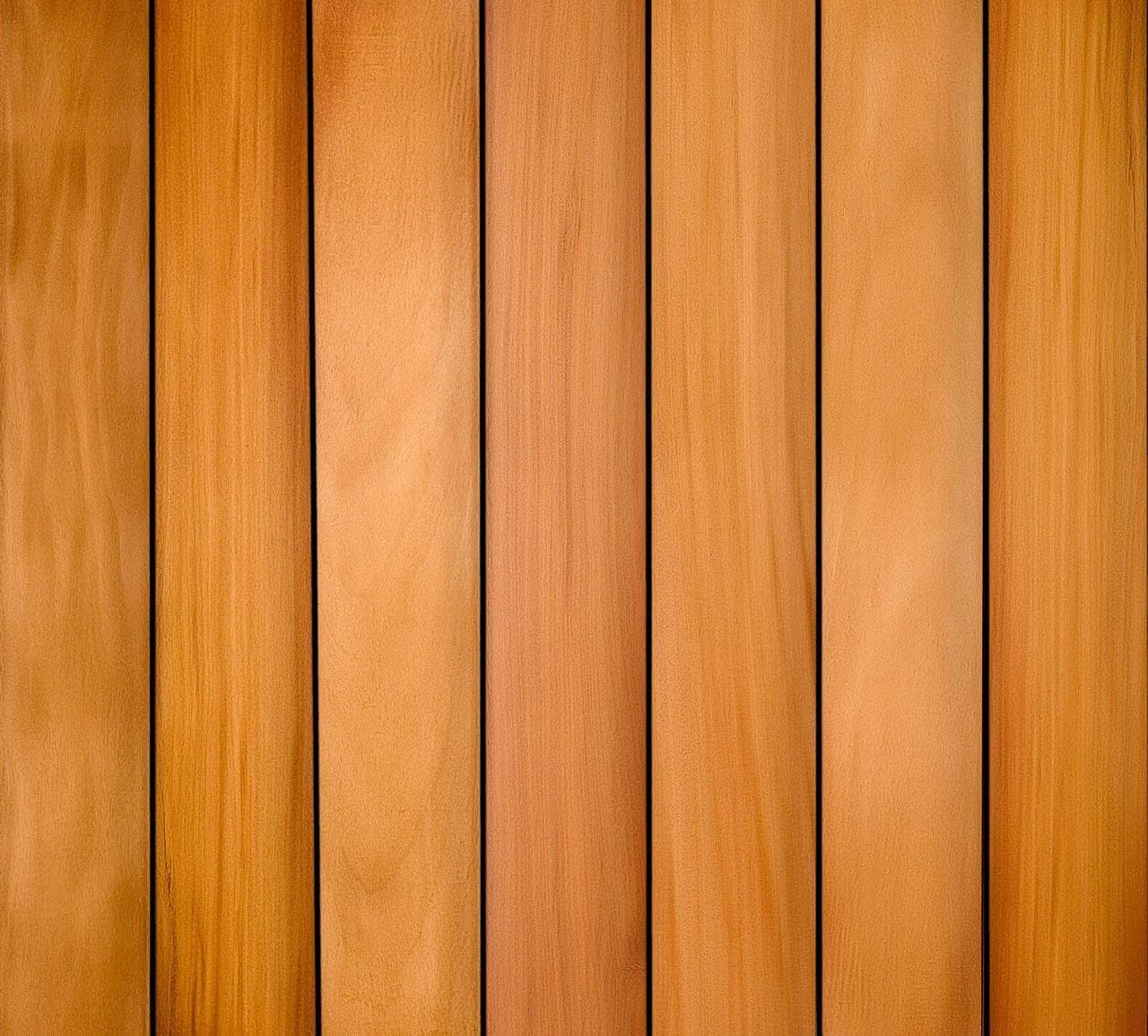
Understanding Garapa Hardwood for Terrace Applications
Garapa, also known as Brazilian Ash, is a tropical hardwood sourced from Brazil. It is characterized by its golden color, which can add a warm and modern aesthetic to outdoor spaces. Garapa is noted for its density and natural resistance to rot, decay, and insects, which can be beneficial for terrace applications where exposure to the elements is constant. Unlike some other materials, Garapa does not require chemical treatments to maintain these resistances.
For terrace projects, the inherent durability of Garapa is a key advantage. Elevated spaces in urban environments are often exposed to varying weather conditions, including sun, rain, and fluctuating temperatures. A material that can withstand these conditions without extensive chemical intervention offers a practical choice for long-term enjoyment. Garapa is also described as scratch and slip resistant, with minimal splintering, which contributes to its suitability for walkable surfaces.
Terrace Design Considerations for Garapa Decking
When planning a terrace project with Garapa decking, several design aspects are important. The golden hue of Garapa can complement various architectural styles, from modern minimalist to more traditional urban brownstones. Consider how the decking color will interact with surrounding building materials, railings, and planters. Physical samples are crucial for evaluating the true color and grain pattern under the actual light conditions of your terrace.
The layout of your decking boards is another fundamental decision. Common options include straight-lay patterns, diagonal layouts, or incorporating a picture-frame border. For terraces, especially smaller ones, a straight-lay pattern can simplify installation and minimize waste. Larger terraces might benefit from a diagonal pattern to add visual interest, though this often requires more intricate cutting and can result in more material offcuts. The available board profiles for Garapa typically include 5/4"x6" (actual 1" x 5.5"), with lengths ranging from 3 to 24 feet. These dimensions influence the overall visual scale and seam placement of your deck.
Selecting the Right Board Profile and Finish
Garapa decking is typically available in a 5/4"x6" profile, which measures approximately 1" x 5.5" once milled. This thickness provides a substantial feel and appearance suitable for most residential and light commercial terrace applications. Some options may include a grooved profile, which is often designed for use with specific hidden fastening systems. Confirming the exact profile and whether a grooved option is available is essential for your chosen installation method.
The finished appearance of Garapa can be influenced by whether it is allowed to naturally weather or if a UV-inhibiting finish is applied. Unfinished Garapa will gradually lighten and develop a silver-gray patina over time, a characteristic often desired for its low-maintenance appeal. If you prefer to maintain the golden color, regular application of a suitable deck oil with UV protection will be necessary. Discuss these options with your contractor and review product-specific care instructions carefully.
Worked Example: A 10' x 15' Terrace in New York, NY
Consider a hypothetical terrace project for a New York City apartment, measuring 10 feet by 15 feet (120 inches by 180 inches). The client desires a straight-lay pattern with Garapa 5/4"x6" (actual 1" x 5.5") boards, and a picture-frame border using the same material. Let's assume a typical board length availability, for example, 12-foot (144-inch) and 16-foot (192-inch) lengths are readily available.
For the main decking area, laying boards parallel to the 10-foot (120-inch) dimension would mean boards spanning the 10-foot width. To cover 120 inches, you would need 120 / 5.625 ≈ 21.33 units. This means 22 boards would be needed across the width, with some trimming on the last board. For the 15-foot (180-inch) length, if using 12-foot boards, each 180-inch row would require one 12-foot board and a 3-foot (36-inch) cut piece. If using 16-foot boards, each row would use one board with minimal waste. Assuming 22 boards across the width, and a total length of 15 feet, we would need 22 boards, each 15 feet long, or 22 boards of 12 feet and 22 boards of 3 feet. Purchasing 16-foot lengths would be more efficient for the main deck area, as each board can be cut to 15 feet, leaving a 1-foot offcut. Total linear footage for the main deck: 22 boards * 15 ft/board = 330 linear feet. If purchasing 16-foot lengths, this would be 22 boards * 16 ft = 352 linear feet.
For a picture-frame border around the 10' x 15' area, using 5.5-inch wide boards: The perimeter is (10+15)*2 = 50 linear feet. However, a picture frame sits outside the main deck and requires mitered corners. Each long side (15 ft) would need two 15-foot boards (30 linear feet), and each short side (10 ft) would need two 10-foot boards (20 linear feet). Accounting for the width of the border itself, the actual lengths will be slightly adjusted. For simplicity, assume 50 linear feet of border material, plus waste for miter cuts. Adding a 10-15% waste factor for cuts and potential errors is advisable. This example illustrates the need for detailed cut plans to optimize material use, especially for specific board lengths and patterns. Always confirm required board lengths, as longer boards often reduce the number of seams and potential waste.
Maintenance and Longevity of Garapa Decking on a Terrace
This inherent resistance means it does not require constant chemical treatments, simplifying long-term care. However, like all natural wood products exposed to outdoor elements, Garapa will benefit from routine cleaning to remove dirt, debris, and any organic growth.
The appearance of Garapa can be maintained or allowed to change naturally. If you prefer to keep its original golden color, you will need to apply a suitable UV-inhibiting deck oil periodically. The frequency of application depends on the product used, the terrace's exposure to sun and rain, and your desired aesthetic. If left untreated, Garapa will gradually weather to a soft silver-gray patina. This natural aging process does not diminish its structural integrity but changes its visual character. Regular sweeping and occasional washing with water and a mild cleaner are generally sufficient for basic maintenance.
Complementary Materials for Your Terrace
Beyond the decking itself, consider how Garapa will integrate with other elements of your terrace design. Railings, planters, outdoor furniture, and lighting all contribute to the overall aesthetic and functionality. For railings, options range from sleek metal designs that highlight the wood's golden tones to glass panels that maximize views. Planters made from complementary materials like concrete, corten steel, or even other wood species can enhance the space.
Choosing outdoor furniture that withstands urban weather conditions and complements the Garapa decking is also important. Consider materials like powder-coated aluminum, synthetic wicker, or responsibly sourced teak. Lighting, whether integrated into the deck itself or freestanding fixtures, can extend the usability of your terrace into the evening hours and highlight the warmth of the Garapa. Ensure all complementary products are suitable for outdoor use and capable of enduring the specific conditions of a New York City terrace.
Before you order
- Confirm terrace dimensions and layout preferences (straight, diagonal, border).
- Obtain physical Garapa samples to assess color and grain in actual terrace light.
- Decide on desired finish: natural silvering or maintained golden tone (requires UV-inhibiting oil).
- Verify specific Garapa board profiles and available lengths with your supplier.
- Plan for fastening methods: hidden fasteners (if grooved boards available) or face-fastening.
- Consider ventilation requirements for an elevated deck structure.
- Select complementary materials for railings, planters, and furniture.
- Estimate linear footage required for decking and any borders, adding waste factor for cuts.
- Consult with a contractor or installer regarding specific installation requirements and local building practices.
- Request a detailed material quote based on your project dimensions and chosen specifications.
Confirm installation details, approved uses and warranty terms in the current instructions for the exact product and profile. Your installer should verify the substrate, structure and applicable project requirements.
This is a planning guide for projects in New York, NY. Ask our team to confirm availability, delivery to your ZIP code and which branch can support your order.
Questions to help you decide
How does Garapa decking perform in New York City weather?
Garapa is a very durable hardwood with natural resistance to weather changes, rot, decay, and insects. This makes it a suitable choice for terraces in New York City, which experience varying conditions including sun, rain, and temperature fluctuations.
Will Garapa maintain its golden color on a terrace?
Garapa has a natural golden color. If left untreated and exposed to the elements, it will gradually weather to a silver-gray patina over time. To maintain its golden hue, regular application of a UV-inhibiting deck oil is required. The frequency of reapplication depends on the product and exposure.
What maintenance does Garapa decking require for a terrace?
Garapa does not require constant chemical treatments due to its natural resistance to rot and insects. Routine maintenance typically involves sweeping to remove debris and occasional washing with water and a mild cleaner. If you choose to preserve the golden color, periodic reapplication of a suitable deck oil will be necessary.
Plan Your Garapa Terrace Project in New York, NY
Ready to transform your New York City terrace with Garapa decking? Request a material quote by providing your project dimensions, desired Garapa profile, and ZIP code. We can confirm current availability and service options for your area.
Request a material quote →