Why Choose Ipe for Your Courtyard Outdoor Room?
Ipe wood is a dense, durable hardwood originating from South America, prized for its longevity and resilience in outdoor applications. For a courtyard outdoor room, where the deck serves as a primary gathering surface, Ipe offers significant advantages.
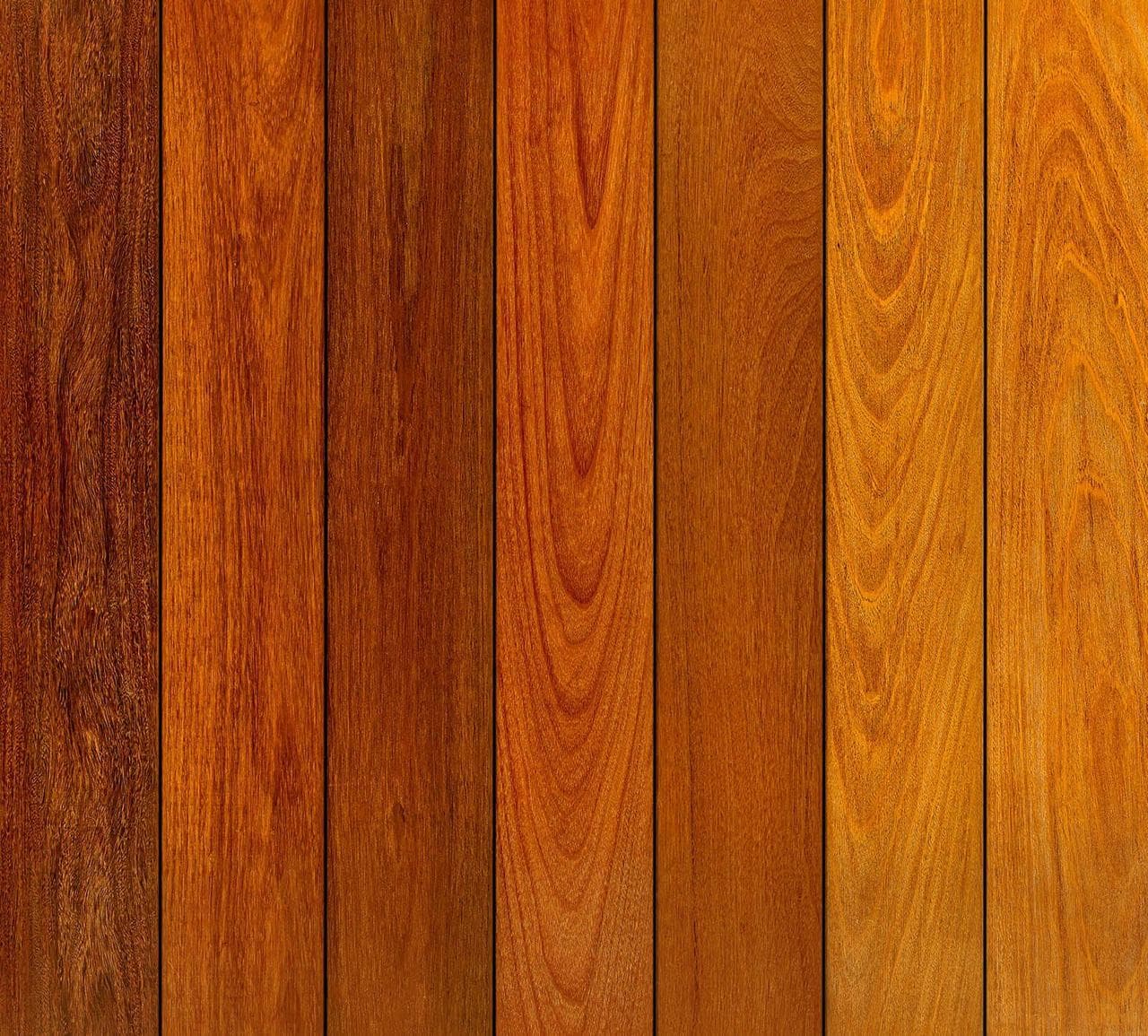
Its natural resistance to rot, insects, and mold means it requires minimal chemical treatments. Ipe also exhibits minimal movement after installation and resists warping from moisture exposure, which is beneficial in climates with fluctuating humidity and temperatures. The wood's color ranges from reddish-brown to olive-brown, providing a rich, luxurious base for any outdoor design scheme. If left untreated, Ipe will naturally weather to a silvery-gray patina, offering a different aesthetic while maintaining its inherent durability.
When considering the overall value, Ipe's exceptional strength and low maintenance requirements can contribute to a long-lasting and appealing outdoor space.
Courtyard Considerations for Ipe Decking
Courtyard outdoor rooms often present unique design and logistical challenges. These spaces are typically enclosed or semi-enclosed, which can affect air circulation, sunlight exposure, and drainage. When planning an Ipe deck in such an environment, consider these factors:
Adequate ventilation beneath the deck is crucial to prevent moisture buildup, especially in a more confined courtyard setting. Ensure there is sufficient airflow to help the decking dry evenly after rain or cleaning. Drainage is another key aspect; plan for proper water runoff away from the building foundation and the deck structure itself.
Sunlight exposure can vary greatly within a courtyard. Areas that receive direct sun will experience more rapid weathering if the Ipe is left untreated. Conversely, shaded areas may retain moisture longer, emphasizing the need for good ventilation. The natural oils in Ipe help protect it from cracking or warping, regardless of sun exposure, but a UV-blocking sealer can preserve its original color if desired.
Ipe Decking Profiles and Dimensions
Ipe decking is available in a variety of profiles and dimensions, allowing for flexibility in design. Common profiles include square-edge boards for face fastening and grooved boards for hidden fastener systems. The choice between these depends on your aesthetic preference and installation method.
Typical dimensions for Ipe decking range from 1x2 inches up to 6x6 inches, with lengths available from 3 to 24 feet. For a courtyard, standard decking board widths like 1x4 or 1x6 are popular choices, as they offer a balanced visual scale. Longer boards can minimize seams, creating a more continuous appearance, which can be particularly effective in smaller courtyard spaces to make them feel larger. Always verify the actual dimensions and lengths available for your specific project.
The selection of profile and dimension will influence both the visual outcome and the installation process. Discuss these options with your installer to ensure they align with your project goals.
Planning Your Ipe Courtyard Deck: A Worked Example
Let's consider a hypothetical courtyard space measuring 15 feet wide by 20 feet long, totaling 300 square feet. The homeowner desires a durable, low-maintenance deck that complements their home's brick facade.
For this example, we'll use 1x6 (nominal) Ipe decking boards, which typically have an actual width of 5.5 inches. To cover the 15-foot width, if boards are laid perpendicular to the 15-foot dimension, you would need approximately 15 feet * 12 inches/foot / 5.5 inches/board = 32.7 boards. Rounding up, we would need 33 boards for the width. For the 20-foot length, we would primarily use 20-foot long boards to minimize seams. Therefore, 33 boards of 1x6 x 20-foot Ipe would be a starting point for calculation.
This calculation provides the linear footage needed. However, it's essential to account for cuts, waste, and a contingency. A common practice is to add 10-15% for waste and future repairs. For this project, a good estimate would be to order 33 boards x 20 feet = 660 linear feet, plus a 10% waste factor, bringing the total to approximately 726 linear feet. This would translate to roughly 37 boards of 20-foot length.
Remember, this is a simplified example. Your actual project will require precise measurements, a detailed layout plan, and consideration of specific board lengths to optimize material use and minimize waste. Always consult with your installer or supplier for a precise material takeoff.
Maintenance Expectations for Ipe Decking
Ipe is known for being a low-maintenance decking material. It is naturally resistant to rot, insects, and mold, reducing the need for extensive chemical treatments. However, to preserve its appearance and extend its life, some maintenance is beneficial.
If you prefer to maintain Ipe's original reddish-brown to olive-brown color, applying a UV-blocking sealer is recommended. This typically needs to be done periodically, depending on exposure and product specifications. If left untreated, Ipe will gradually weather to a silvery-gray patina, which many find attractive and requires no sealing to maintain.
Occasional cleaning with a deck cleaner and water is sufficient to remove dirt, pollen, and other debris. This helps prevent organic growth and keeps the deck surface looking fresh. Regular sweeping and clearing of leaves or standing water will also contribute to the deck's longevity.
Before you order
- Assess courtyard dimensions and sun exposure: Will the deck be in full sun, partial shade, or mostly shaded?
- Evaluate ventilation and drainage: Is there adequate airflow beneath the deck? How will water drain?
- Choose Ipe profile: Square-edge for face fastening or grooved for hidden fasteners?
- Select board dimensions: Consider 1x4 or 1x6 for visual scale and availability.
- Determine desired aesthetic: Will the Ipe be oiled to maintain its color or allowed to weather to a silver-gray?
- Plan for material delivery and storage: Is there adequate space on site for lumber delivery and acclimation?
- Confirm installation method: Work with your installer to finalize fastening and framing details.
- Budget for maintenance: Account for periodic cleaning and optional sealing.
Confirm installation details, approved uses and warranty terms in the current instructions for the exact product and profile. Your installer should verify the substrate, structure and applicable project requirements.
This is a planning guide for projects in Indianapolis, IN. Ask our team to confirm availability, delivery to your ZIP code and which branch can support your order.
Questions to help you decide
How long can Ipe decking last in a courtyard setting?
With proper care and installation, Ipe decking can last for many decades, potentially up to 75 years. Its natural density and resistance to rot, insects, and weathering contribute to its exceptional longevity, making it a long-term investment for your Indianapolis courtyard.
Does Ipe decking require a specific type of finish?
Ipe wood does not strictly require a finish for durability. If you prefer to maintain its rich, natural color, a UV-blocking sealer can be applied periodically. If left untreated, Ipe will naturally weather to an elegant silvery-gray patina over time, which requires no additional staining or sealing to maintain its structural integrity.
Is Ipe decking suitable for areas with heavy foot traffic?
Yes, Ipe is an excellent choice for areas with heavy foot traffic, such as a courtyard outdoor room. Its exceptional hardness and density provide superior resistance to scratches, dents, and wear, ensuring it remains robust and attractive even with frequent use. This makes it a reliable material for active outdoor living spaces.
Ready to Plan Your Ipe Courtyard Deck?
Request a material quote with your project dimensions, desired Ipe profile, and ZIP code. Confirm current availability and service options to get started on your durable outdoor room.
Request a material quote →