Understanding Garapa Hardwood for Terrace Applications
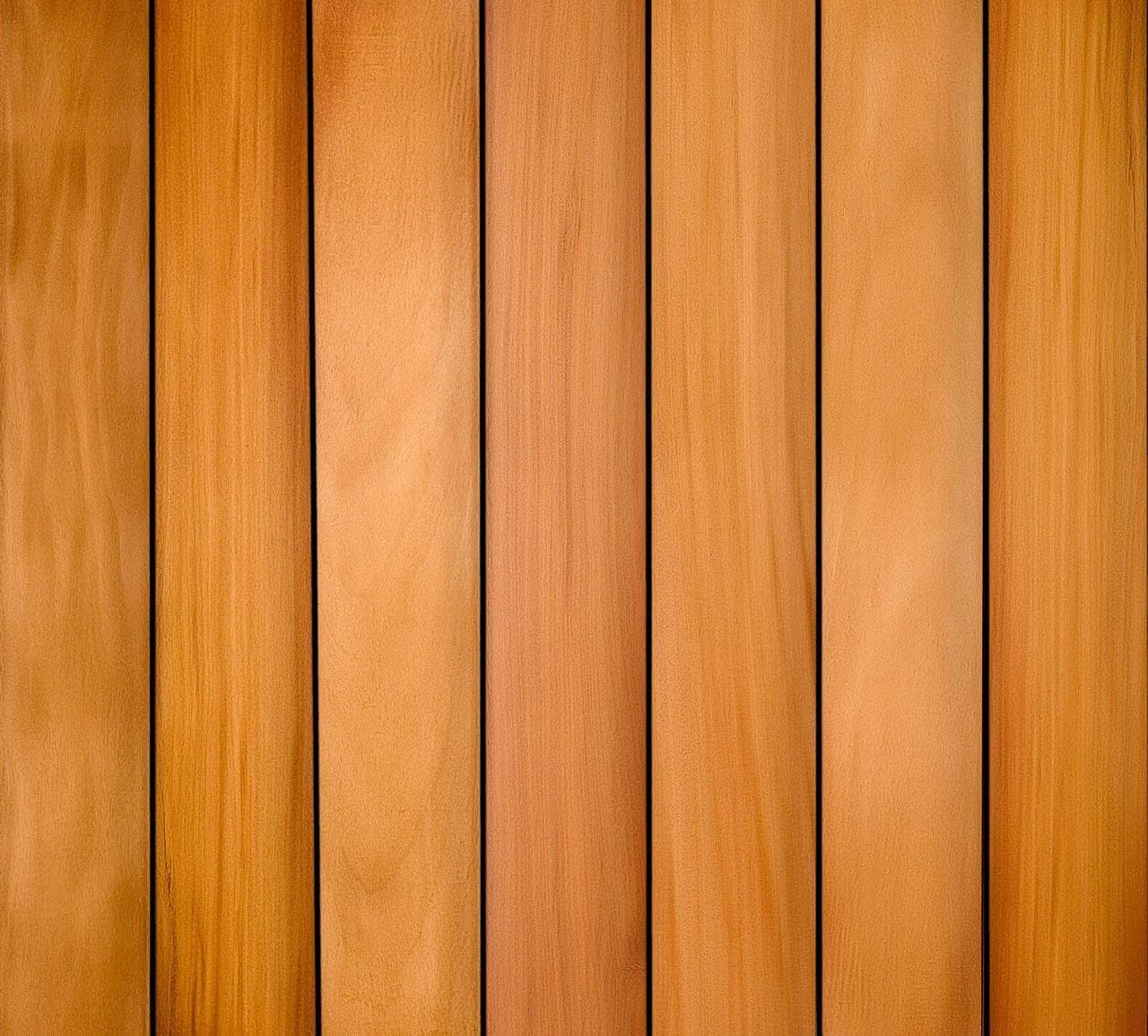
Garapa, also known as Brazilian Ash, is a tropical hardwood originating from Brazil. It is characterized by its golden color, which can add a bright and inviting feel to an outdoor space. This wood is recognized for its natural resistance to rot, decay, and insects, reducing the need for constant chemical treatments. Its air dry density is 4.11 lbs/bf.
For terrace applications, Garapa's inherent durability is a key advantage. It is described as very durable and resistant to weather changes. This makes it suitable for outdoor environments where exposure to varying conditions is expected. The material also exhibits minimal splintering, which can be a consideration for barefoot traffic on a terrace. Garapa is available in profiles such as 5/4"x6" (1" x 5.5"), with lengths ranging from 3 to 24 feet, often kiln-dried (KD).
While Garapa is durable, its density and interlocking grain mean that sharp tools are recommended for working with it. It resists nailing and screwing, suggesting that pre-drilling is often necessary for secure fastening, though it glues easily for other applications.
Terrace Design Considerations: Aesthetics and Function
When designing a terrace with Garapa decking, consider both the visual impact and the practical functionality of the space. The golden hue of Garapa can create a warm foundation for your outdoor decor. You might choose to allow the wood to naturally weather to a silver-gray patina over time, or maintain its golden color with periodic UV-inhibiting treatments.
Functionally, terraces often serve multiple purposes, from dining areas to relaxation zones. The layout of your Garapa decking boards can define these areas. For instance, laying boards parallel to the longest edge of the terrace can make the space appear larger, while a diagonal pattern can add visual interest. Incorporating planters, built-in seating, or low walls can further enhance the design and provide clear transitions within the terrace.
Proper drainage and ventilation beneath the deck surface are critical for any outdoor decking, especially on terraces where water might collect. The specific assembly instructions for Garapa decking will specify the required spacing between boards to allow for water runoff and air circulation, which helps prevent moisture accumulation and supports the longevity of the deck.
Selecting Garapa Board Profiles and Lengths
Garapa decking is commonly available in a 5/4"x6" profile, which measures approximately 1" x 5.5" finished. This size is a standard for many decking projects and provides a substantial feel underfoot. Some profiles may also offer a grooved option, which is typically designed for use with hidden fastening systems.
Board lengths for Garapa typically range from 3 to 24 feet. When planning your project, it is often more efficient to select lengths that minimize cuts and waste. For a terrace, especially one with complex shapes or multiple sections, careful planning of board lengths can reduce material costs and installation time. Consider where board seams will fall and how they will integrate into the overall design.
For projects requiring specific dimensions or aesthetic preferences, it's advisable to check the available inventory and discuss options with your supplier. Sometimes, longer boards may be needed for an uninterrupted look, while shorter boards can be utilized for smaller sections or to create patterns.
Worked Example: Estimating Garapa Decking for a Terrace
Let's consider a hypothetical terrace project in Indianapolis, IN, with a main rectangular area measuring 10 feet by 15 feet, and an adjacent smaller section measuring 4 feet by 8 feet. The total area to be covered is (10 ft * 15 ft) + (4 ft * 8 ft) = 150 sq ft + 32 sq ft = 182 sq ft.
We will use Garapa decking boards with a nominal size of 5/4"x6", which are 5.5 inches wide. For estimation, we need to calculate the linear footage.
First, convert the effective coverage width to feet: 5.625 inches / 12 inches/foot = 0.46875 feet. Now, divide the total area by this effective width to get the approximate linear footage required: 182 sq ft / 0.46875 ft = 388.27 linear feet. It's prudent to add 10-15% for cuts, waste, and future repairs. For a 15% waste factor: 388.27 * 1.15 = 446.51 linear feet. When ordering, you would round up to the nearest full board lengths available to cover this total. For instance, if 10-foot and 12-foot boards are available, you might order a combination to reach this total while minimizing offcuts.
Related Materials and Accessories for Terrace Projects
Beyond the decking boards themselves, a terrace project often requires several complementary materials. These include structural elements such as joists and beams, which form the subframe for your Garapa decking. The type of subframe material will depend on the terrace's elevation, existing structure, and local building practices.
Fasteners are another essential component. For Garapa, given its density, pre-drilling is often recommended for face fastening. Hidden fastening systems are also an option and can provide a cleaner, screw-free deck surface. Ensure that any fasteners chosen are suitable for exterior use and compatible with hardwood to prevent staining or corrosion.
Finally, consider edge treatments and fascia boards to give your terrace a finished look. Garapa fascia boards can be used to cover the rim joists, providing a cohesive appearance. Railings, lighting, and any integrated planters or benches should also be planned in conjunction with your decking material to ensure a unified design.
Before you order
- Confirm terrace dimensions and layout, including any irregular shapes or multiple levels.
- Decide on the desired finished appearance: natural silvering or maintained golden tone.
- Evaluate structural requirements for the terrace subframe (joists, beams) and ensure compatibility with Garapa decking.
- Select fastening method: face-fastened with pre-drilling or hidden fasteners.
- Plan for drainage and ventilation beneath the decking surface.
- Identify preferred board profiles (e.g., 5/4"x6") and consider available lengths to minimize waste.
- Account for waste factor (typically 10-15%) in material calculations.
- Consider complementary materials like fascia boards, railings, and lighting.
- Review local building codes and regulations for terrace construction in Indianapolis, IN.
Confirm installation details, approved uses and warranty terms in the current instructions for the exact product and profile. Your installer should verify the substrate, structure and applicable project requirements.
This is a planning guide for projects in Indianapolis, IN. Ask our team to confirm availability, delivery to your ZIP code and which branch can support your order.
Questions to help you decide
What color is Garapa decking?
Garapa hardwood is known for its golden color. This natural hue can add a warm and inviting aesthetic to any terrace project. Over time, if left untreated, Garapa will naturally weather to a silver-gray patina, a process common to many hardwoods when exposed to the elements.
Is Garapa decking resistant to insects and decay?
Yes, Garapa is a very durable hardwood with natural resistance to rot, decay, and insects, including termites.
What maintenance does Garapa decking require for a terrace?
Garapa decking requires minimal maintenance to withstand mold and decay due to its natural resistance. If you wish to preserve its golden color, periodic application of a UV-inhibiting oil finish is recommended. Otherwise, if allowed to weather, it will develop a silvery-gray patina. Regular cleaning to remove dirt and debris is generally sufficient to maintain the deck's appearance and prevent mildew build-up.
Ready to Plan Your Garapa Terrace in Indianapolis?
Request a material quote today. Provide your project dimensions, desired Garapa profile, and ZIP code to confirm current availability and service options for your Indianapolis, IN, terrace project. Our team can assist you with material selection and quantity estimation.
Request a material quote →