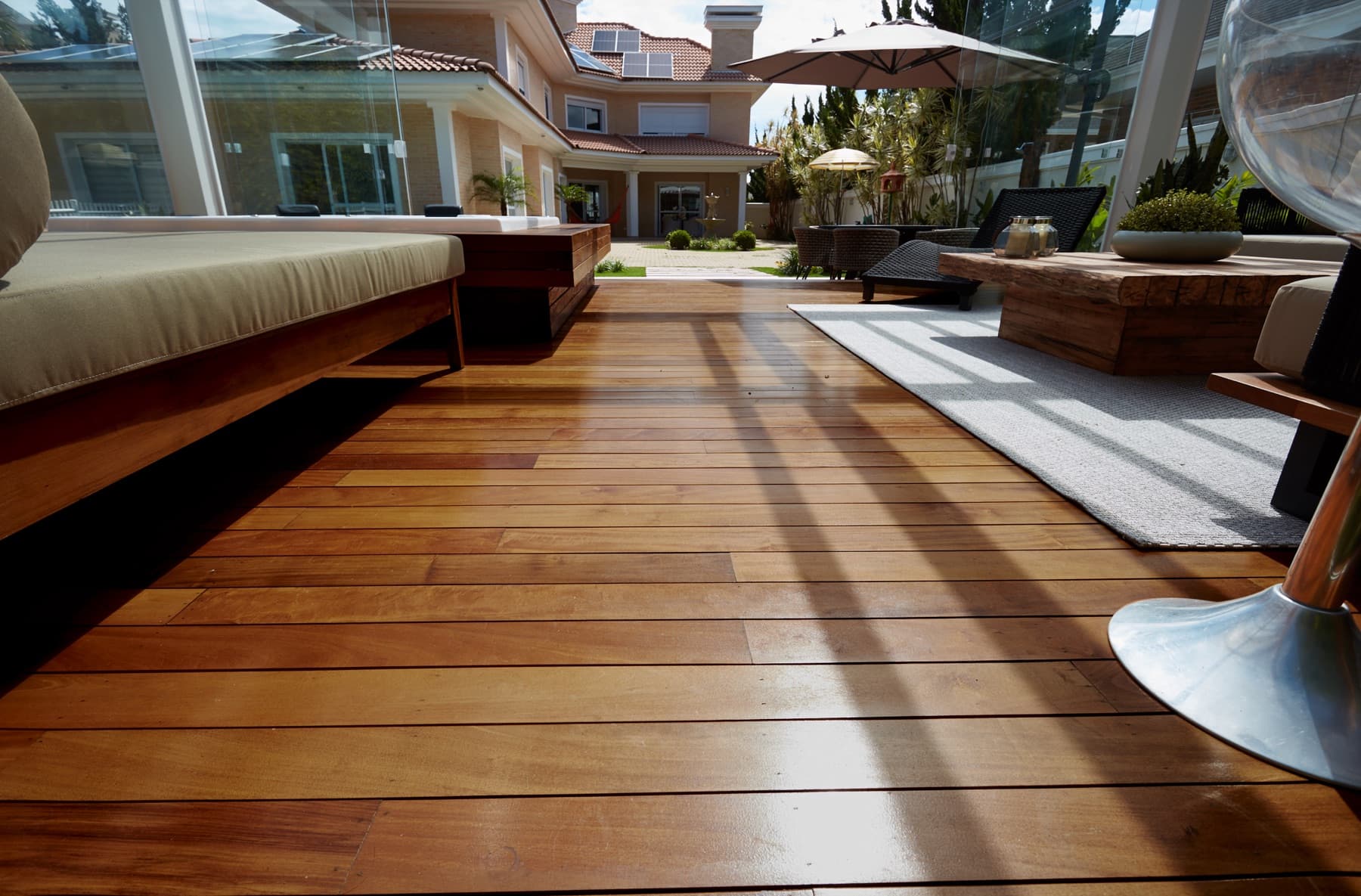
Evaluating Your Existing Deck Frame
Before any new decking material is ordered, a thorough inspection of the existing deck frame is essential. The structural integrity of your joists, beams, and support posts directly impacts the feasibility and safety of your renovation. Look for any signs of rot, insect damage, or excessive movement. Hardwood decking, especially dense species like Ipe or Cumaru, is heavier than many composite or softwood options, so ensuring your frame can support the new load is critical.
Check the spacing of your joists. If your existing joists are spaced wider, you may need to add additional blocking or sister new joists to meet the requirements for hardwood. This step is non-negotiable for a long-lasting and safe deck.
Choosing the Right Hardwood Species for Indianapolis Conditions
Indianapolis experiences a range of weather conditions, from humid summers to cold winters, making material selection crucial. Hardwood species like Ipe and Cumaru offer exceptional durability and natural resistance to rot, insects, and moisture, making them suitable choices for outdoor applications in this climate.
Ipe, also known as Brazilian walnut, is a benchmark for outdoor decking due to its density and natural resistance. It can last for decades with proper care and is known for its minimal movement post-installation. Cumaru is another very durable tropical hardwood with high resistance to termites and weather changes. Both species maintain their structural integrity whether left to weather to a silvery-gray patina or regularly oiled to preserve their rich, natural color. For projects where budget is a primary concern, Garapa offers a golden tone and good value.
Consider the aesthetic you desire. Ipe ranges from reddish-brown to olive-brown, while Cumaru often presents a slightly lighter, reddish-brown hue. Tigerwood offers a dramatic striped figure. Each species provides a distinct visual appeal that can enhance your renovated deck. You can explore these options further at our general hardwood decking page.
Link: /decking/hardwood
Planning for Ventilation and Drainage
Proper ventilation and drainage are vital for the longevity of any deck, especially when renovating with dense hardwoods. Ensure that your deck design allows for adequate airflow beneath the deck boards to prevent moisture buildup, which can lead to issues with both the decking and the subframe. Good ventilation helps to equalize moisture content and minimize warping or cupping of the boards.
For ground-level decks, this might involve ensuring sufficient clearance from the soil and possibly installing a gravel base or vapor barrier. For elevated decks, confirm that the space below is not enclosed in a way that traps moisture. Adequate spacing between deck boards also contributes to drainage and airflow. Always follow the manufacturer's specific recommendations for board spacing for your chosen hardwood species.
Estimating Material Needs: A Hypothetical Example
Let's consider a hypothetical deck renovation project in Indianapolis.
First, calculate the total deck surface area: 12 ft * 16 ft = 192 square feet. Hardwood decking is typically sold by the linear foot or board foot. To estimate linear footage, divide the total area by the width of a single board. For 5.5-inch wide boards (0.458 feet), you'd need approximately 192 sq ft / 0.458 ft = 419.2 linear feet of decking. This calculation is a starting point.
Always account for waste due to cuts, miscuts, and selecting the best board appearance. A common recommendation is to add 10-15% for waste. So, 419.2 linear feet * 1.15 = 482.08 linear feet. If you are using 16-foot boards, for example, you would need approximately 482.08 / 16 = 30.13 boards. Round up to 31 boards to ensure enough material. It's often beneficial to choose longer boards to minimize butt joints and improve aesthetics, but this depends on available lengths and your layout plan.
Remember to also account for any fascia boards, stair treads, or railing components you might need. These often require specific profiles or wider boards. Always confirm current profiles and lengths with a material quote based on your exact project dimensions.
Fastening Systems and Finishing
The choice of fastening system impacts both the appearance and longevity of your hardwood deck. Hidden fastening systems provide a clean, fastener-free surface, which is often preferred for aesthetic reasons. However, they require precise installation and may involve specialized tools. Face-fastening, using screws driven through the face of the board, is a robust and secure method, but the fasteners will be visible. When face-fastening, pre-drilling is essential for dense hardwoods like Ipe and Cumaru to prevent splitting.
Once installed, hardwood decking can be left to weather naturally to a silvery-gray patina, or it can be treated with a UV-blocking oil finish to maintain its original color. Regardless of whether you choose to oil, annual cleaning is recommended to remove dirt, pollen, and mildew. Always use cleaning products compatible with hardwood decking to avoid damaging the wood.
Before you order
- Inspect existing deck frame for rot, insect damage, and stability.
- Calculate total deck surface area and estimate linear footage needed, adding 10-15% for waste.
- Select hardwood species (e.g., Ipe, Cumaru, Garapa) based on durability, appearance, and budget.
- Plan for adequate ventilation and drainage beneath the deck.
- Choose a fastening system (hidden vs. face-fastened) and confirm compatibility with selected hardwood.
- Decide on a finishing approach: natural weathering or UV-blocking oil.
- Obtain a material quote with project dimensions, exact profile, and ZIP code.
Confirm installation details, approved uses and warranty terms in the current instructions for the exact product and profile. Your installer should verify the substrate, structure and applicable project requirements.
This is a planning guide for projects in Indianapolis, IN. Ask our team to confirm availability, delivery to your ZIP code and which branch can support your order.
Questions to help you decide
How long do hardwood decks last in Indianapolis's climate?
With proper installation and occasional maintenance, hardwood species like Ipe and Cumaru can last for many decades, often 50 years or more, even in the varied climate of Indianapolis. Their natural density and resistance to rot and insects contribute to their exceptional longevity.
Can I install hardwood decking over an existing concrete patio?
Installing hardwood decking over a concrete patio is possible, but it requires careful planning to ensure proper drainage and ventilation. A sleeper system or pedestals are typically used to elevate the decking off the concrete, allowing for airflow and water runoff. This prevents moisture from being trapped, which could lead to issues.
What maintenance is required for hardwood decking?
Hardwood decking is relatively low maintenance. An annual wash to remove dirt and debris is generally sufficient. If you wish to preserve the wood's original color, an annual application of a UV-blocking oil is recommended. If left untreated, the wood will naturally weather to a beautiful silver-gray patina without impacting its structural integrity.
Ready to Renovate Your Indianapolis Deck?
Contact us with your project dimensions, desired hardwood profile, and ZIP code to request a material quote. Our team can help confirm current availability and service options for your deck renovation project.
Request a material quote →