Why Ipe Decking Suits Courtyard Outdoor Rooms
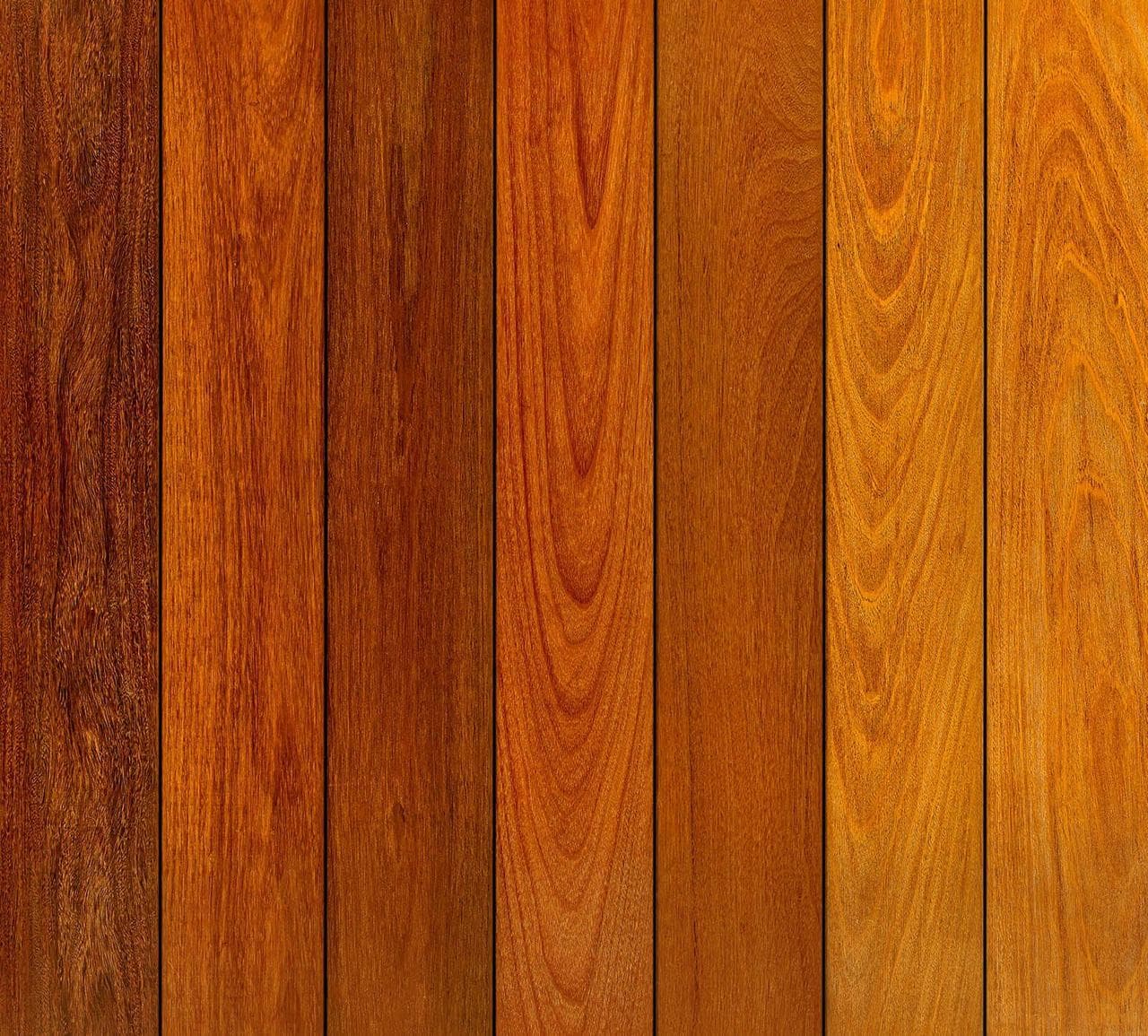
Ipe wood, also known as Brazilian walnut, is a dense, durable hardwood originating from South America. Its inherent properties make it a suitable material for outdoor applications, including courtyard decking. Ipe's color ranges from reddish-brown to olive-brown, providing a rich, natural look that can complement various architectural styles.
One of Ipe's key advantages in a courtyard setting is its resistance to weather changes, mold, and termites. This natural resilience means it can withstand the humid conditions and occasional heavy rainfall common in Honolulu without requiring extensive chemical treatments. The wood's minimal movement post-installation also contributes to a stable and long-lasting surface. Should you prefer its original color, a UV-blocking sealer can be applied; otherwise, Ipe will naturally weather to a silvery-gray patina over time. The material is available in profiles from 1"x2" through 6"x6" dimensions and lengths from 3 to 24 feet.
When planning for a courtyard in Honolulu, factors like sun exposure, air circulation, and potential for moisture retention are important. Ipe's natural resistance to warping after moisture exposure and its protective natural oils make it a practical choice for areas that might experience varying microclimates within a courtyard.
Designing Your Courtyard Outdoor Room with Ipe
A courtyard outdoor room is often characterized by its enclosed nature, which can offer privacy and a sense of intimacy. When designing with Ipe decking, consider how the deck will integrate with existing structures, landscaping, and desired amenities like seating areas, planters, or water features.
The choice of Ipe board width and length can influence the visual scale of your courtyard. Wider boards might create a more expansive feel, while narrower boards can add intricate detail. For a courtyard that may have irregular shapes or incorporate built-in elements, planning board lengths and seam locations carefully is essential to minimize waste and ensure a cohesive look. Consider a picture-frame border to define the decking area, especially if it abuts different paving materials or garden beds.
Given the often-smaller footprint of courtyards compared to open backyards, efficient use of space is critical. Integrate built-in benches or planters directly into the deck design to maximize functionality without cluttering the area. Ensure proper drainage is accounted for, especially in enclosed spaces where water might collect.
Hypothetical Project Example: A 10x12-foot Courtyard Deck
Imagine a courtyard measuring 10 feet by 12 feet, intended as a private outdoor dining area. We'll specify 1x6 (actual dimensions approximately 3/4" x 5 1/2") Ipe decking boards. For a durable surface, we plan for a standard deck board spacing.
To calculate the material needed for a 10-foot by 12-foot area (120 square feet):
1. **Deck Board Coverage:** Each 1x6 Ipe board covers approximately 0.458 square feet per linear foot (5.5 inches / 12 inches per foot).
2. **Linear Feet Required:** 120 square feet / 0.458 square feet/linear foot = approximately 262 linear feet.
3. **Board Lengths:** To minimize waste, we might primarily use 12-foot boards. For a 10-foot width, each 12-foot board would be cut to 10 feet, leaving a 2-foot offcut. A more efficient approach for a 10x12 area might be to run boards along the 12-foot dimension, using 12-foot long boards for the majority of the deck. This would require 10 feet / 5.5 inches per board = 21.8 boards, so 22 boards (rounded up) of 12-foot length each. Total linear feet: 22 boards * 12 feet/board = 264 linear feet.
4. **Additional Materials:** Account for waste factor (typically 10-15% for cuts and selections), fascia boards for edges, and any specific framing needs. For this example, we'll add 10% for waste, bringing the total to approximately 290 linear feet.
This example assumes a simple rectangular layout. More complex designs, such as diagonal patterns or integrated planters, would require more detailed calculations and potentially a higher waste factor. Always confirm actual board dimensions and factoring in local building practices for spacing and substructure.
Maintenance Expectations for Ipe Decking in Honolulu
Ipe wood is considered low maintenance, particularly compared to some other wood species. In a climate like Honolulu's, regular cleaning is important to prevent the buildup of dirt, salt, and mildew. This typically involves sweeping and occasional washing with a mild cleaner and water.
If you desire to maintain Ipe's original reddish-brown to olive-brown color, applying a UV-blocking sealer is recommended. Without treatment, Ipe will naturally weather to a silvery-gray patina. This weathering process does not diminish the wood's structural integrity or durability. The frequency of sealing will depend on sun exposure and personal preference, but it is generally an annual or bi-annual task.
It is important to use cleaning and sealing products that are compatible with Ipe wood to avoid discoloration or damage. Always follow the manufacturer's instructions for any maintenance products.
Project Logistics and Ordering Considerations
When planning your Ipe decking project in Honolulu, consider the logistics of material delivery, storage, and installation. Ipe is a dense and heavy material, so ensure you have adequate access and storage space on your project site. Proper acclimation of the wood to the local climate before installation can help minimize movement.
Discuss board lengths and profiles with your supplier to optimize for your specific courtyard dimensions and design. Lumber Plus offers Ipe in a variety of profiles and lengths, including 1"x2" through 6"x6" dimensions in lengths from 3 to 24 feet. Confirming current availability and service options for your ZIP code is a crucial step.
Consider related products such as fasteners, ventilation components, and substructure materials. For Ipe, specialized tools and techniques may be required for installation due to its density, making professional installation a recommended consideration.
Before you order
- Determine the primary function of your courtyard outdoor room (dining, lounging, garden space).
- Measure your courtyard dimensions precisely, accounting for any irregular shapes or existing features.
- Decide on the desired aesthetic: natural weathered gray or maintained original Ipe color.
- Select the Ipe decking profile (e.g., 1x6) and consider board lengths for optimal layout and minimal waste.
- Plan for proper drainage within the courtyard to prevent water accumulation.
- Identify any integrated elements like built-in seating, planters, or lighting.
- Research and select appropriate fasteners and any necessary substructure materials.
- Confirm local building codes and permit requirements for outdoor deck construction.
- Establish a maintenance plan, including cleaning and re-sealing schedules if maintaining original color.
- Obtain a material quote based on your project dimensions, chosen profile, and ZIP code.
Confirm installation details, approved uses and warranty terms in the current instructions for the exact product and profile. Your installer should verify the substrate, structure and applicable project requirements.
This is a planning guide for projects in Honolulu, HI. Ask our team to confirm availability, delivery to your ZIP code and which branch can support your order.
Questions to help you decide
How does Ipe decking handle Honolulu's humid climate?
Ipe wood is naturally resistant to weather changes, mold, and termites, making it well-suited for humid climates. Its natural oils protect it from cracking or warping due to moisture exposure. Regular cleaning helps prevent mildew buildup.
Will Ipe decking get too hot in the Honolulu sun?
Like any dense material, Ipe decking can absorb heat from direct sunlight. However, its natural density and stability mean it resists warping. The sensation of heat underfoot can vary depending on the specific finish (if any) and ambient temperature. Consider shaded areas or lighter-colored outdoor rugs for comfort.
Can I install Ipe decking myself in my Honolulu courtyard?
While it is possible to install Ipe decking yourself, its density often requires specialized tools and techniques. Professional installation is generally recommended to ensure proper fastening, spacing, and a durable finish. This is especially true for intricate courtyard designs.
Ready to Plan Your Ipe Courtyard Deck?
Request a material quote with your project dimensions, exact profile, and ZIP code to confirm current availability and service options for Ipe decking. Explore our full range of decking products, including additional hardwood options, composite, and PVC materials.
Request a material quote →