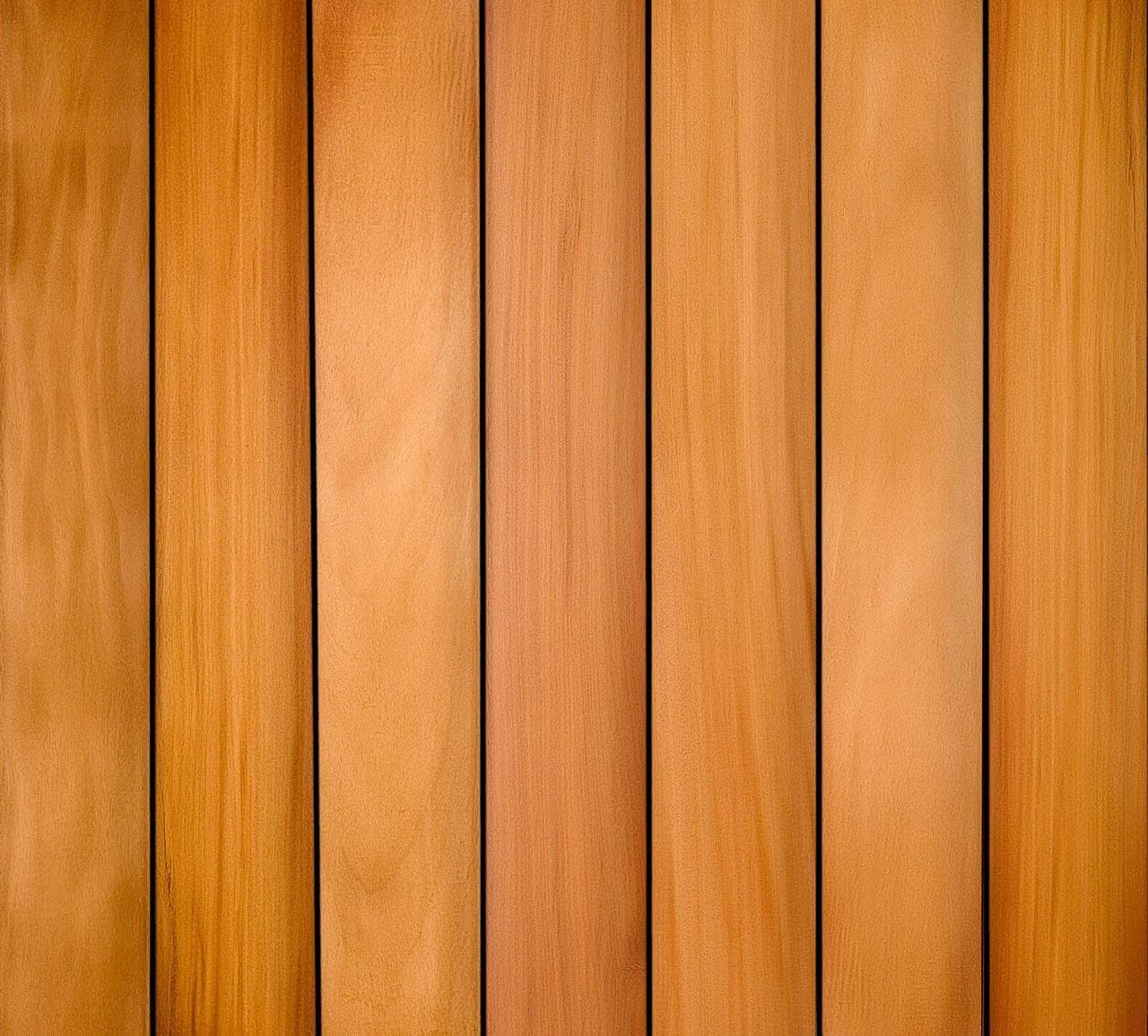
Understanding Garapa Decking Characteristics
Garapa, also known as Brazilian Ash, is a tropical hardwood originating from Brazil. It is recognized for its golden color, which can add a warm, modern aesthetic to any outdoor space. This wood is classified as very durable, with natural resistance to rot, decay, and insects, which can be an advantage in environments where these factors are a concern. It also exhibits resistance to weather changes.
When considering Garapa for a terrace, its density and grain characteristics are important. While it is resistant to nailing and screwing, it glues easily, suggesting that proper fastening techniques are crucial for installation. Standard lengths typically range from 3 to 24 feet, and it is usually kiln-dried (KD).
Terrace Design Considerations for Honolulu
Designing a terrace in Honolulu means planning for consistent warmth, potential humidity, and sun exposure. The material choice needs to accommodate these conditions. Garapa's natural resistance to weather changes and its durability can contribute to its suitability. The design should also integrate with the architectural style of your home, whether it's a modern high-rise balcony or a traditional single-family residence.
Key design elements for a terrace include defining distinct zones for dining, lounging, or potted plants. The layout should consider traffic flow and how the terrace connects to interior spaces. For elevated terraces, the structural capacity of the underlying support system is paramount and must be verified by a qualified professional before material selection. Proper drainage is also critical to prevent water accumulation, especially in areas prone to heavy rainfall.
Choosing Garapa Profiles and Layout
Garapa decking is commonly available in a 5/4"x6" nominal profile, which measures 1" x 5.5" actual. This standard width offers a classic decking appearance. The availability of lengths from 3 to 24 feet allows for flexibility in minimizing butt joints and creating a more continuous look, depending on your terrace dimensions.
When planning your layout, consider whether a traditional straight lay, a diagonal pattern, or a picture-frame border will best suit your aesthetic and functional needs. A grooved option for hidden fasteners can provide a clean, fastener-free surface appearance, while face-fastening might be preferred for certain installation methods. The choice of fastening system impacts the final look and installation process.
Worked Example: Designing a 10x12 Foot Terrace Section
Let's consider a hypothetical 10-foot by 12-foot terrace section that will use Garapa decking. For simplicity, we'll assume a straight lay parallel to the 12-foot dimension, using 1" x 5.5" (actual) boards. The goal is to determine the approximate linear footage needed for a material quote.
First, calculate the number of boards required across the 10-foot width. Converting 10 feet to inches (10 ft * 12 in/ft = 120 inches), we divide 120 inches by 5.75 inches per unit, which yields approximately 20.87 units. Rounding up, we'll need 21 board runs.
Since each run is 12 feet long, the total linear footage needed for the main decking area is 21 runs * 12 feet/run = 252 linear feet. To account for cuts, waste, and potential board defects, it's prudent to add a waste factor, typically 10-15%. For this example, using a 10% waste factor: 252 linear feet * 1.10 = 277.2 linear feet. This provides a baseline for requesting a material quote. Remember to also consider any fascia boards for the perimeter, which would add to the linear footage.
Maintenance and Long-Term Appearance
Garapa is known for its natural resistance to rot, decay, and insects, which means it does not require constant chemical treatments. Over time, like many hardwoods, Garapa will undergo a natural weathering process. If left untreated, its golden color will gradually mature into a silver-gray patina. Many homeowners find this natural aging desirable and choose to let the wood weather.
However, if you wish to preserve the original golden tone, regular application of a UV-inhibiting oil finish is typically recommended. This maintenance task helps protect the wood from the sun's rays and maintain its color. Cleaning typically involves removing debris and occasional washing with water and a mild cleaner. Consult specific product care instructions for recommended cleaning products and methods to ensure compatibility.
Before you order
- Verify the structural capacity of your terrace for hardwood decking.
- Determine the desired aesthetic: natural weathering to silver-gray or maintaining golden tone with oil finish.
- Plan your decking layout: straight, diagonal, or with a picture-frame border.
- Measure your terrace dimensions accurately to calculate linear footage, including waste factor.
- Identify any additional components needed, such as fascia boards or stair treads.
- Confirm local building codes and regulations for elevated outdoor structures.
- Consider ventilation requirements for the under-deck space to ensure longevity.
- Plan for drainage to prevent water accumulation on or under the decking.
Confirm installation details, approved uses and warranty terms in the current instructions for the exact product and profile. Your installer should verify the substrate, structure and applicable project requirements.
This is a planning guide for projects in Honolulu, HI. Ask our team to confirm availability, delivery to your ZIP code and which branch can support your order.
Questions to help you decide
How long does Garapa decking typically last?
This makes it a long-lasting option for outdoor applications like terraces.
Does Garapa require chemical treatment to prevent rot or insects?
No, Garapa does not require constant chemical treatments or maintenance to withstand mold, decay, or insects. It possesses natural resistance, which is one of its key advantages for outdoor use.
What color will Garapa decking be for my Honolulu terrace?
Garapa decking has a natural golden color. If left untreated and exposed to the elements, it will gradually weather to a silver-gray patina. To maintain its original golden hue, periodic application of a UV-inhibiting oil finish is typically recommended.
Request a Material Quote for Your Garapa Terrace Project
Ready to bring your Honolulu terrace vision to life with Garapa decking? Provide your project dimensions, desired Garapa profile (e.g., 5/4"x6" grooved or smooth), and your ZIP code to receive a detailed material quote. We can also confirm current availability and service options for your location.
Request a material quote →