Understanding Ipe Decking for Courtyard Environments
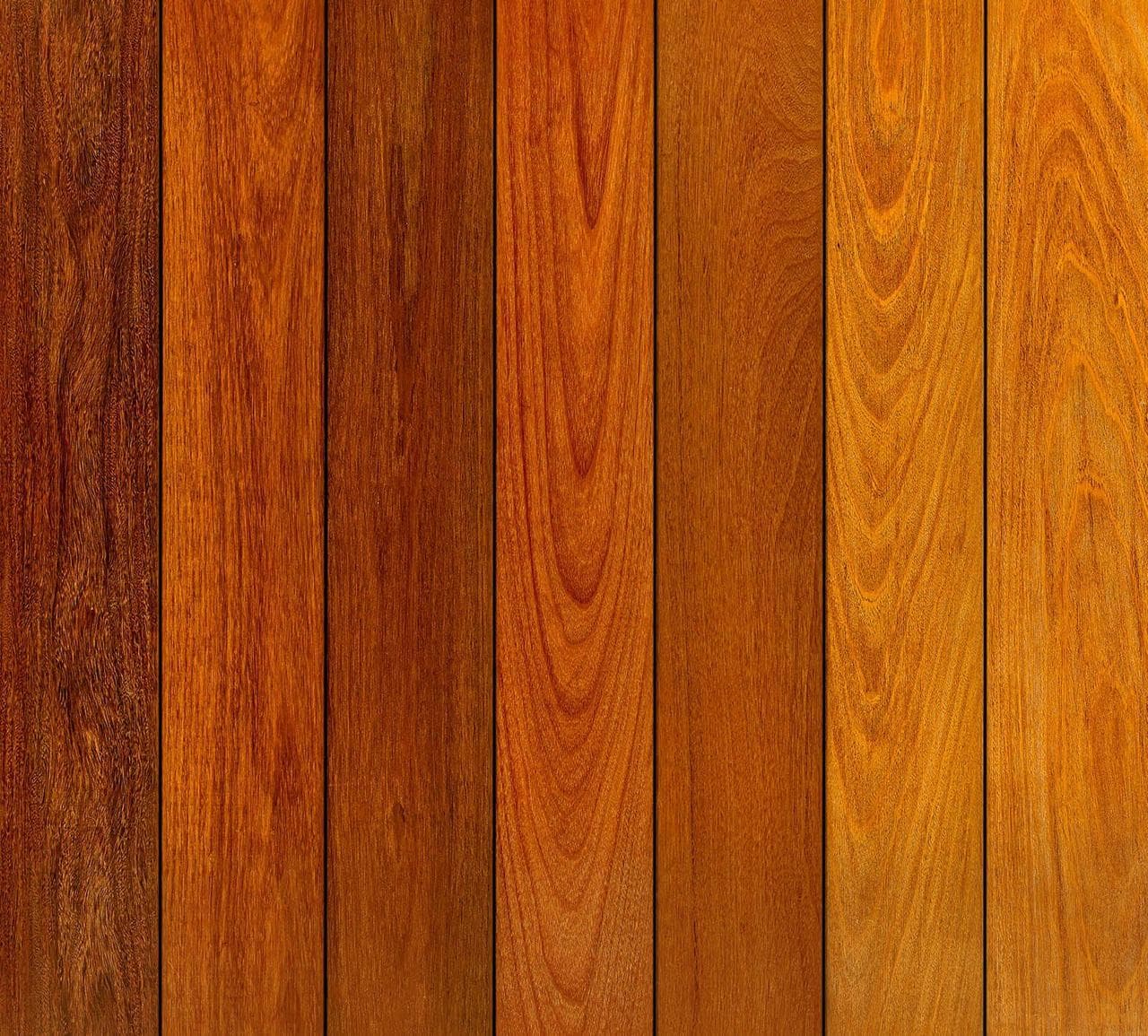
Ipe wood is a dense, durable hardwood originating from South America. Its natural properties make it highly resistant to rot, insects, and mold, which is particularly beneficial in courtyard settings that may experience varying levels of moisture and shade. The wood's color ranges from reddish-brown to olive-brown, offering a rich, luxurious appearance that can enhance any outdoor room.
Courtyards often have specific microclimates due to surrounding buildings or landscaping, which can influence material performance. Ipe's resistance to warping after moisture exposure and its natural oils protect it from cracking, contributing to its longevity in these varied conditions. While Ipe can be left untreated to weather to a silvery-gray patina, applying a UV-blocking sealer can help preserve its original color.
Designing Your Courtyard Deck Layout
Courtyard dimensions can vary significantly, from intimate alcoves to expansive central gathering areas. When planning an Ipe deck for your Green Bay courtyard, consider the flow of traffic, the placement of outdoor furniture, and how the deck will integrate with adjacent landscaping or structures. Ipe is available in various profiles and sizes, typically from 1"x2" to 6"x6" dimensions and lengths ranging from 3 to 24 feet, allowing for flexible design options.
A common design approach for courtyards is to create distinct zones using the decking pattern. For example, a central dining area might feature a straight lay, while a border or walkway could use a picture-frame design. Given Ipe's density, precise measurements and a detailed cut plan are crucial to minimize waste and ensure a professional finish. Account for board spacing according to manufacturer guidelines to allow for proper drainage and air circulation, especially important in enclosed courtyard spaces.
Material Selection and Profiles for Courtyard Decks
Ipe decking typically comes in square-edge or grooved profiles. Square-edge boards are often face-fastened, while grooved boards are designed for hidden fastener systems, which can provide a cleaner, uninterrupted surface. For a courtyard that serves as a primary outdoor living space, the aesthetic of hidden fasteners might be preferred.
When selecting Ipe boards, consider the overall visual consistency. While Ipe naturally exhibits color variations from reddish-brown to olive-brown, reviewing samples can help set expectations for the finished deck's appearance. It's also important to confirm whether the material is air-dried (AD) or kiln-dried (KD), as this can impact acclimation requirements before installation.
Structural Planning and Drainage
The substructure for an Ipe deck in a courtyard must be robust to support the dense hardwood and withstand Green Bay's weather conditions. Proper ventilation beneath the deck is critical to prevent moisture buildup, which can lead to issues even with a naturally resistant material like Ipe. Ensure adequate spacing between joists and consider the overall height of the deck to facilitate drainage away from any adjacent building foundations.
For courtyards that are partially or fully enclosed, managing rainwater runoff is a key design consideration. The deck design should integrate with the courtyard's existing drainage system, or a new system should be planned to prevent water from pooling on or under the deck. This might involve a slight slope to the deck surface or incorporating specific drainage channels.
Worked Example: A 10x12-Foot Courtyard Deck
Let's consider a hypothetical 10-foot by 12-foot courtyard deck in Green Bay, WI, intended for a dining area. We'll assume a standard 5/4" x 6" Ipe decking board, which typically has an actual width of 5.5 inches. For this example, we will use a straight lay pattern running the 12-foot length.
First, calculate the number of boards needed for the 10-foot width. Ten feet is 120 inches. Dividing 120 inches by 5.625 inches gives approximately 21.33 units. This means you would need 22 boards to cover the width. If boards come in 12-foot lengths (144 inches), you would need 22 boards of this length. The total area is 120 square feet. Purchased quantity (22 boards x 12 feet) is 264 linear feet. Always account for potential cuts, waste, and a few extra boards for future repairs.
This calculation assumes full board usage. For a more precise estimate, a detailed layout plan showing each board and cut would be necessary, especially if the courtyard has irregular shapes or features. Always round up to ensure sufficient material. This example is illustrative; always confirm exact board dimensions and recommended spacing from the manufacturer.
Before you order
- Confirm courtyard dimensions and shape.
- Determine desired deck layout (straight, diagonal, picture-frame).
- Choose Ipe board profile (square-edge or grooved).
- Plan for hidden or face-fastener system.
- Assess existing drainage and plan for deck-specific water management.
- Verify substructure requirements for Ipe's density and local climate.
- Consider the desired finished appearance: natural silvering or oiled color.
- Account for board acclimation time before installation.
- Budget for specialized tools if self-installing Ipe due to its density.
- Request material quote with exact profile, dimensions, and ZIP code.
Confirm installation details, approved uses and warranty terms in the current instructions for the exact product and profile. Your installer should verify the substrate, structure and applicable project requirements.
This is a planning guide for projects in Green Bay, WI. Ask our team to confirm availability, delivery to your ZIP code and which branch can support your order.
Questions to help you decide
Does Ipe decking require special care in Green Bay's winter climate?
Ipe is highly weather-resistant and its natural oils protect it from cracking or warping, even with exposure to extreme weather. For Green Bay's winters, Ipe's density and resistance to moisture are beneficial. While it is durable, occasional cleaning can help prevent the buildup of debris that might trap moisture, and if you choose to maintain its original color, regular reapplication of a UV-blocking sealer is recommended.
Can Ipe be installed over an existing concrete courtyard slab?
Yes, Ipe decking can be installed over a concrete slab, but proper planning is essential. You will need to create a suitable substructure (e.g., sleepers or a low-profile joist system) to elevate the decking, provide adequate ventilation, and allow for drainage. Direct contact with concrete without proper airflow can lead to moisture issues. Professional installation is recommended to ensure correct assembly and prevent future problems.
What is the typical appearance of Ipe decking in a courtyard over time?
Ipe wood naturally ranges from reddish-brown to olive-brown. If left untreated, Ipe will gradually weather to a beautiful silvery-gray patina over time, a process often accelerated by sun exposure. If you prefer to maintain its rich, original color, you will need to apply a UV-blocking oil or sealer periodically. The frequency of reapplication depends on sun exposure and product choice. Both appearances offer distinct aesthetic qualities suitable for a courtyard setting.
Plan Your Ipe Courtyard Deck Today
Ready to enhance your Green Bay courtyard with the lasting beauty and durability of Ipe decking? Request a material quote with your project dimensions, exact profile preferences, and ZIP code to confirm current availability and service options.
Request a material quote →