Understanding Garapa Decking Characteristics for Terrace Design
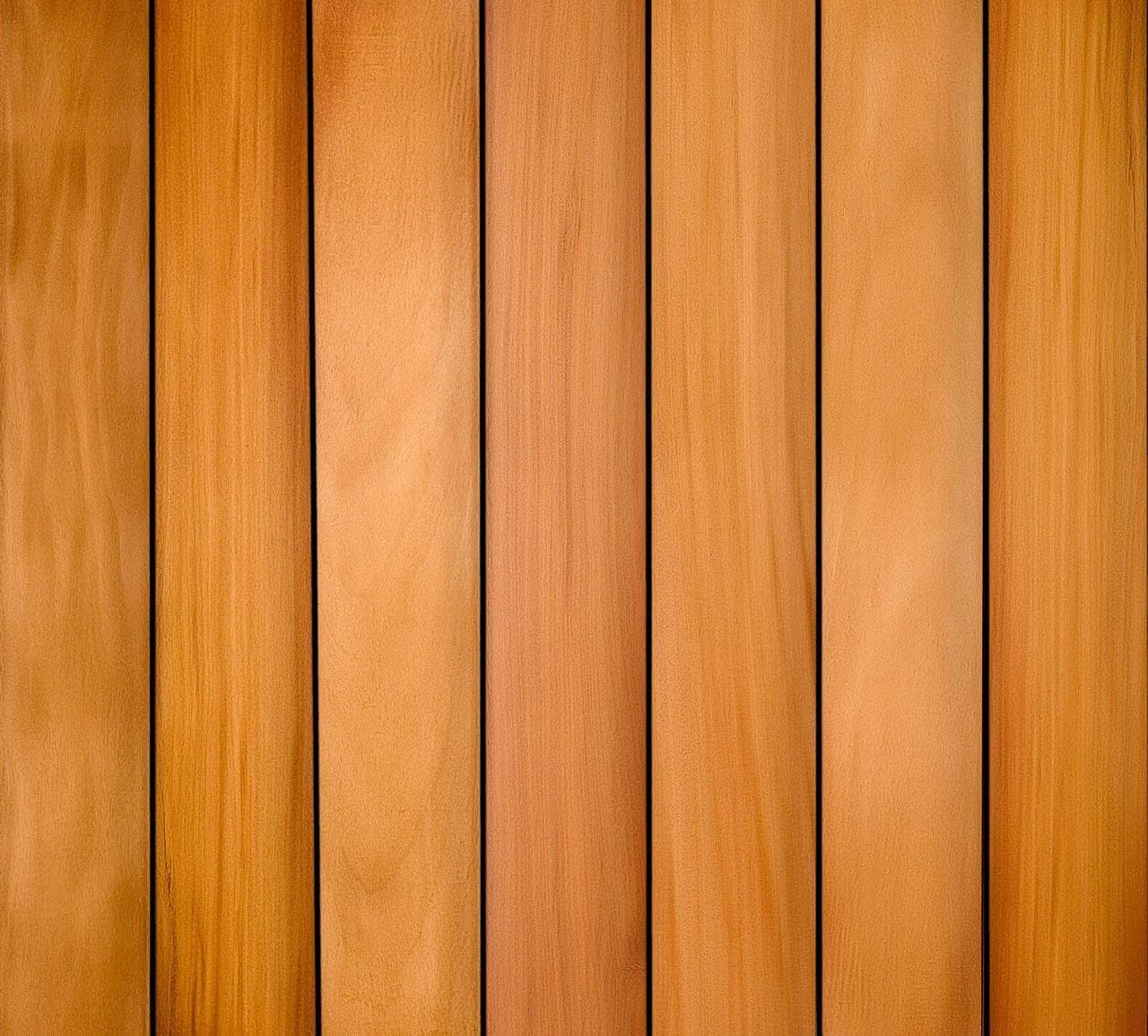
Garapa hardwood is characterized by its golden color, which can elevate the exterior of any home. It is a durable wood, resistant to termites and weather changes. This natural resistance means it does not require constant chemical treatments to withstand mold and decay.
The wood is also described as scratch and slip resistant, with minimal splintering. These properties contribute to a comfortable and functional terrace surface. When planning your terrace, consider how these characteristics align with your usage and maintenance expectations. Its density and interlocking grain mean sharp tools are needed for cutting, and it resists nailing and screwing, though it glues easily. This suggests careful planning for fastening methods.
Terrace Layout and Board Profile Selection
The layout of your terrace significantly impacts both the aesthetic and the quantity of material needed. Common layouts include straight runs, diagonal patterns, or designs incorporating picture-frame borders. For terraces, especially those with irregular shapes or multiple levels, a straight layout can often be the most material-efficient and straightforward to install.
Garapa decking is available in profiles such as 5/4"x6" (actual 1" x 5.5"), with a grooved option available. Board lengths typically range from 3 to 24 feet. For a terrace, selecting consistent board widths can create a cohesive look. The choice between grooved or non-grooved profiles usually depends on the fastening system you intend to use; grooved boards are often compatible with hidden fastening systems, while non-grooved boards can be face-fastened. Consider the visual impact of each option on your terrace design.
Planning for Green Bay's Climate and Terrace Exposure
When designing a terrace in Green Bay, WI, it is important to consider the local climate, which includes cold winters and varying seasonal conditions. Garapa's natural resistance to weather changes makes it suitable for outdoor use. However, proper ventilation beneath the deck surface is crucial in any climate to prevent moisture accumulation, which can affect the longevity of any decking material. Ensure your terrace design allows for adequate airflow.
Sun exposure is another factor. While Garapa has a golden color, all natural wood will undergo some degree of color change over time, often mellowing to a silver-gray patina if left untreated. If maintaining the original golden hue is a priority, a UV-inhibiting finish would be required, along with regular reapplication. Consider the sun exposure of your specific terrace location and how it might affect the appearance of the decking over time.
Worked Example: Designing a 10x12 Foot Terrace
Let's consider a hypothetical terrace project: a rectangular terrace measuring 10 feet by 12 feet, requiring Garapa decking.
First, determine the number of boards needed to cover the 12-foot width. To cover 12 feet (144 inches): 144 inches / 5.625 inches per board = 25.6 boards. Rounding up, you would need 26 boards.
Therefore, for a 10x12 foot terrace, you would need 26 boards, each 10 feet long. This calculation assumes minimal waste and no complex cuts. For a real project, it is always recommended to add an additional 10-15% for cuts, waste, and future repairs.
This example simplifies a few aspects: it doesn't account for specific framing layouts, potential end-matching, or any border details. Always measure your specific project dimensions accurately and consult with your installer for precise material requirements.
Complementary Materials and Fastening Systems
Beyond the decking boards themselves, a terrace project requires several complementary materials. This includes a suitable substructure (joists, beams), fasteners, and potentially fascia boards for finishing the edges. For Garapa, given its density, pre-drilling is generally recommended for face-fastening to prevent splitting. If using a hidden fastening system, ensure it is compatible with the specific grooved profile of the Garapa boards.
Consider the overall aesthetic: will you use Garapa for fascia boards to match the deck surface, or opt for a contrasting material? For the substructure, pressure-treated lumber is a common choice, providing durability and resistance to decay. Ensure all components are suitable for outdoor exposure in Green Bay's climate. Explore options for fasteners and substructure materials at our general decking section, hardwood decking section, or for specific alternatives like composite or PVC decking.
Before you order
- Confirm terrace dimensions and desired layout (straight, diagonal, border).
- Choose Garapa board profile (5/4"x6" grooved or non-grooved).
- Determine fastening method (hidden fasteners or face-fastening with pre-drilling).
- Plan for substructure materials and ensure adequate ventilation.
- Decide on edge finishing (Garapa fascia or contrasting material).
- Consider desired finish (natural silvering vs. maintained golden hue with UV protectant).
- Calculate material quantities, including waste factor.
- Verify local building codes and obtain necessary permits for your Green Bay terrace project.
Confirm installation details, approved uses and warranty terms in the current instructions for the exact product and profile. Your installer should verify the substrate, structure and applicable project requirements.
This is a planning guide for projects in Green Bay, WI. Ask our team to confirm availability, delivery to your ZIP code and which branch can support your order.
Questions to help you decide
What color will Garapa decking be when new, and how will it change over time?
Garapa decking has a golden color when new. If left untreated, it will naturally weather to a soft silver-gray patina over time due to sun exposure. To maintain the original golden hue, a UV-inhibiting finish would need to be applied and regularly reapplied.
Is Garapa decking difficult to install for a DIY project?
Garapa is a dense hardwood. While it is considered workable, its density and interlocking grain mean that sharp tools are essential for cutting. It is resistant to nailing and screwing, so pre-drilling is highly recommended for all fasteners to prevent splitting. If you are new to hardwood decking installation, professional assistance or thorough research into specific installation techniques for dense hardwoods is advisable.
How do I maintain Garapa decking in Green Bay's climate?
Garapa has natural resistance to rot, decay, and insects, reducing the need for constant chemical treatments. Regular cleaning to remove dirt and debris is generally recommended. If you choose to maintain its golden color, periodic application of a UV-inhibiting oil or sealer will be necessary. Ensure good ventilation beneath the deck to prevent moisture buildup, especially during wet or snowy seasons.
Request a Quote for Your Garapa Terrace Project
Ready to plan your Green Bay terrace with Garapa decking? Provide your project dimensions, desired Garapa profile, and ZIP code to request a material quote. Our team can help confirm current availability and service options for your project.
Request a material quote →