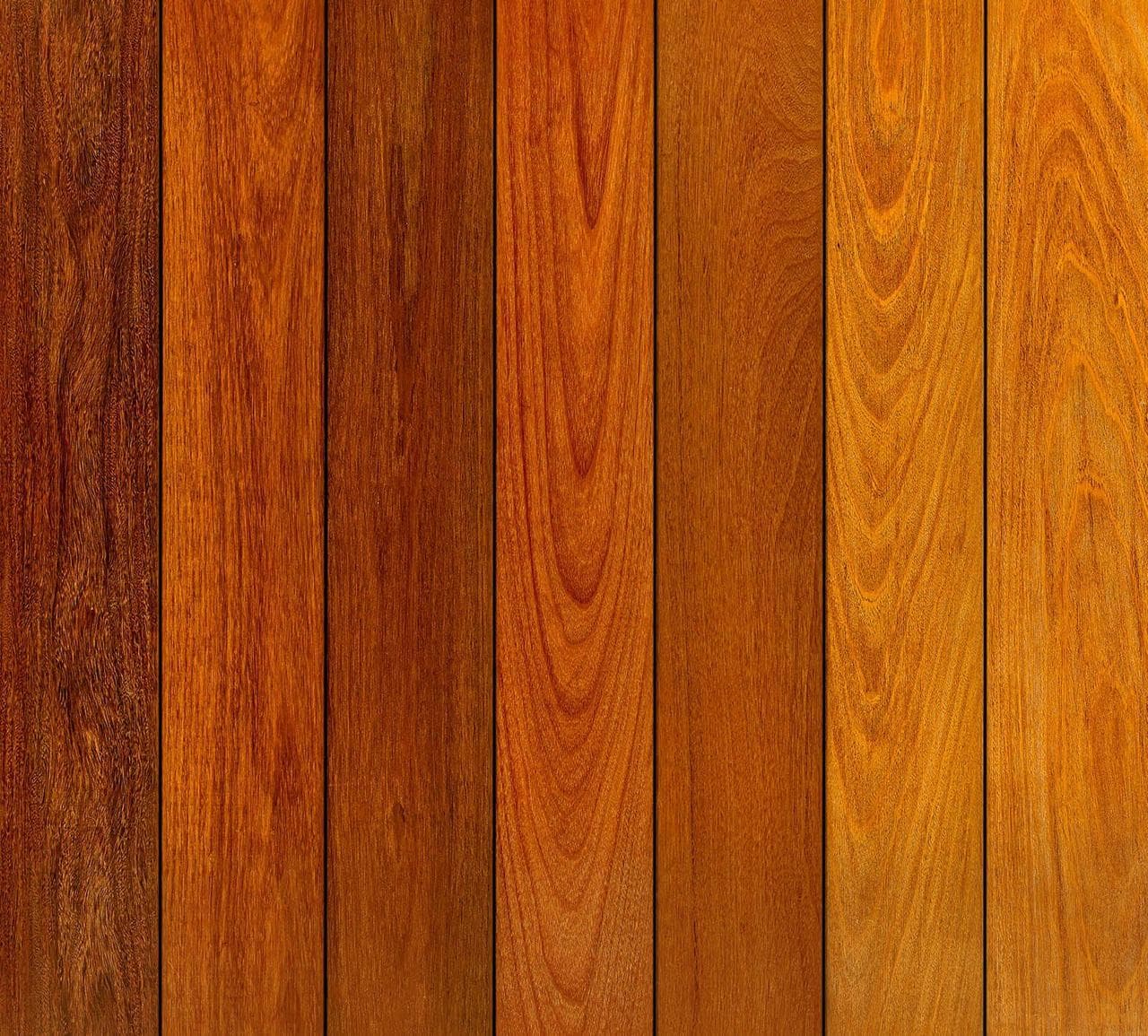
Why Ipe for a Courtyard Outdoor Room?
Courtyards, by their nature, are often enclosed or partially enclosed spaces, which can create microclimates with varying sun exposure, moisture retention, and air circulation. Ipe's inherent durability and resistance to environmental factors make it a suitable choice for such environments. Its density helps it resist warping after moisture exposure, and its natural oils contribute to its protection from cracking. This resilience can be particularly beneficial in a courtyard where conditions might differ from an open deck.
Beyond its practical advantages, Ipe offers a sophisticated aesthetic. Its rich color and tight grain can elevate the appearance of a courtyard, creating a focal point for an outdoor room. Whether you aim for a modern, clean look or a more traditional feel, the natural character of Ipe can complement various design styles.
Ipe is available in various profiles and dimensions, typically ranging from 1"x2" to 6"x6" and in lengths from 3 to 24 feet, offering flexibility for custom designs. This range allows for creative layouts, including patterns that can make a smaller courtyard feel more expansive or define distinct zones within the space.
When considering Ipe, it's important to understand its long-term performance. With proper care, Ipe decking can last for decades, maintaining its structural integrity and appearance. While it can be left untreated to weather to a silvery-gray patina, applying a UV-blocking sealer will help preserve its original reddish-brown to olive-brown color. Regular cleaning is also part of its maintenance to keep the surface free of debris.
Planning Your Courtyard Deck Layout
The dimensions and existing features of your courtyard will dictate the most effective decking layout. Start by measuring the entire area accurately, noting any irregular shapes, existing structures like walls or planters, and the location of doors or entry points. Consider how the deck will integrate with these elements.
For a typical courtyard, a straight-board layout running parallel or perpendicular to the house can be efficient. However, a diagonal pattern or a picture-frame border can add visual interest, especially in smaller spaces. If using a border, plan for the additional cuts and material needed.
Consider the furniture and activities planned for your outdoor room. Will you have a dining area, a lounge space, or a pathway? The deck layout can help define these zones. For instance, changing board direction or incorporating different board widths can subtly delineate areas without physical barriers.
Ventilation beneath the deck is crucial, especially in enclosed courtyards where airflow might be limited. Ensure adequate spacing between boards and proper sub-deck ventilation to prevent moisture buildup. This is a key factor in the longevity of any deck, particularly with dense hardwoods like Ipe.
Choosing Ipe Decking Profiles
Ipe decking is available in both square-edge and grooved profiles. Square-edge boards are typically face-fastened, meaning screws are driven through the face of the board into the joists below. This method provides a strong connection but leaves visible fasteners. If face-fastening, consider using plugs made from Ipe to conceal the screw heads for a more uniform appearance.
Grooved Ipe boards are designed for use with hidden fastening systems. These systems typically involve clips that fit into the grooves on the sides of the boards, attaching them to the joists without visible fasteners on the deck surface. This creates a smooth, uninterrupted aesthetic that can be particularly appealing in a courtyard where visual continuity is often desired.
The choice between square-edge and grooved profiles depends on your aesthetic preference and installation method. Both options offer the same inherent durability of Ipe. Your installer can provide guidance on the best fastening system for your specific project and local conditions.
Common Ipe board dimensions include 1x4, 1x6, 5/4x4, and 5/4x6. The "5/4" designation refers to a nominal thickness of 1.25 inches, providing a slightly more substantial board. The actual finished dimensions will be slightly less than the nominal size. For example, a nominal 1x6 board might have actual dimensions closer to 3/4 inch thick by 5.5 inches wide. Always confirm the exact finished dimensions when ordering.
Hypothetical Courtyard Deck Project: A Worked Example
Imagine a Chicago courtyard measuring 12 feet wide by 15 feet long. The homeowner desires an Ipe deck for an outdoor dining area. They prefer a clean look with hidden fasteners and a natural, oiled finish.
**Step 1: Determine Dimensions and Layout.** The total area is 12 ft x 15 ft = 180 square feet. We'll plan for a straightforward layout with boards running the 15-foot length, minimizing end joints. We'll use 5/4x6 grooved Ipe boards (actual dimensions approximately 1 inch thick x 5.5 inches wide).
We'll round up to 26 boards. Since the boards run 15 feet, we will need 26 boards, each 16 feet long (to allow for trimming and a clean edge).
**Step 3: Account for Waste and Offcuts.** For a 15-foot run, a 16-foot board allows for a 1-foot trim at each end, ensuring clean cuts. If a 20-foot length were available, it would also work, leaving a 5-foot offcut. Always factor in a waste percentage, typically 10-15%, for cuts and potential imperfections. For this project, purchasing 26 boards at 16 feet long would be a practical starting point, totaling 416 linear feet. This equates to approximately 208 board feet (416 linear feet * 0.5 board feet/linear foot for a 5/4x6 board).
Additionally, end-grain sealer will be needed for all cut ends to help prevent moisture absorption. A UV-blocking oil will be applied after installation to maintain the desired color.
This example provides a starting point for material estimation. Final quantities should always be confirmed with your supplier and installer, taking into account specific project details and preferences.
Maintenance and Long-Term Care for Ipe Decking
Ipe wood is known for its low maintenance requirements compared to some other decking materials. It possesses natural resistance to rot, insects, and mold, which reduces the need for chemical treatments. However, occasional care can help preserve its appearance and extend its life.
If you prefer Ipe's original reddish-brown to olive-brown color, regular application of a UV-blocking oil is recommended. This helps to protect the wood from the sun's rays, which can cause it to fade to a silvery-gray patina over time. The frequency of reapplication will depend on sun exposure and local climate conditions.
For those who embrace the weathered look, Ipe can be left untreated to naturally develop a silvery-gray patina. Even without oiling, periodic cleaning is still beneficial to remove dirt, pollen, and mildew. A simple cleaning with a deck cleaner and a stiff brush, followed by rinsing, can help maintain the deck's appearance.
Regardless of whether you choose to oil your Ipe deck, ensuring proper drainage and ventilation underneath is critical. This prevents moisture buildup, which can lead to issues over time. Regularly clear any debris from between the deck boards and around the perimeter to facilitate airflow.
Logistics for Your Chicago Project
Planning for material delivery and storage in an urban setting like Chicago requires careful consideration. Courtyard projects often have limited access, so coordinating delivery with your contractor to ensure immediate placement or a secure, dry storage area is essential. Ipe is a dense and heavy material, so proper handling equipment may be necessary.
Before installation, Ipe decking should be allowed to acclimate to the local climate conditions. This means storing the wood on site, protected from direct sun and rain, for a period before installation. Acclimation helps the wood stabilize to the ambient moisture content, reducing the likelihood of excessive movement after installation.
Working with Ipe requires specialized tools due to its density. Pre-drilling is often necessary for fasteners, even with hidden clips, to prevent splitting. Professional installation is generally recommended to ensure proper techniques are used and the deck is built to last. Your contractor should be familiar with working with dense hardwoods.
Consider the season for your project. While Ipe is highly weather-resistant, installing during periods of extreme cold or heat might impact the wood's acclimation and the effectiveness of finishes. Discuss the optimal installation timeline with your contractor, considering Chicago's seasonal weather patterns.
Before you order
- Confirm courtyard dimensions and existing features (walls, planters, entry points).
- Determine desired aesthetic: natural weathered gray or maintained reddish-brown/olive-brown.
- Choose between square-edge (face-fastened) or grooved (hidden-fastener) Ipe profiles.
- Select preferred board dimensions (e.g., 1x4, 1x6, 5/4x4, 5/4x6).
- Calculate estimated material quantities, including waste factor.
- Plan for sub-deck ventilation and drainage specific to courtyard conditions.
- Identify a secure, dry storage location for material acclimation prior to installation.
- Discuss installation methods and required tools with your contractor.
- Plan for ongoing maintenance, including cleaning and optional UV-blocking oil application.
Confirm installation details, approved uses and warranty terms in the current instructions for the exact product and profile. Your installer should verify the substrate, structure and applicable project requirements.
This is a planning guide for projects in Chicago, IL. Ask our team to confirm availability, delivery to your ZIP code and which branch can support your order.
Questions to help you decide
How does Ipe decking perform in Chicago's climate?
Ipe is known for its resistance to weather changes, mold, and termites, making it suitable for Chicago's varied climate. Its natural oils protect it from cracking or warping, which is beneficial for handling seasonal temperature and moisture fluctuations. Proper installation, including good ventilation, is key to its long-term performance.
Does Ipe decking require a specific finish?
Ipe can be left untreated to weather to a silvery-gray patina, a popular choice for those seeking a low-maintenance, natural look. If you prefer to maintain its original reddish-brown to olive-brown color, a UV-blocking oil should be applied periodically. This oil helps protect the wood from UV degradation and preserves its rich tones.
Can I install Ipe decking myself in a courtyard?
While it's possible for experienced DIYers, Ipe's density requires specialized tools and techniques for cutting, drilling, and fastening. Professional installation is generally recommended to ensure the deck is built correctly, especially for courtyard settings where precise cuts and proper ventilation are crucial. This helps ensure the longevity and stability of your Ipe deck.
Start Planning Your Ipe Decking Project
Ready to transform your Chicago courtyard? Request a material quote for Ipe decking by providing your project dimensions, desired profile, and ZIP code. We can help confirm current availability and service options for your area. Visit our Ipe decking product page at: /decking/hardwood/ipe
Request a material quote →