Understanding Garapa Hardwood for Terrace Applications
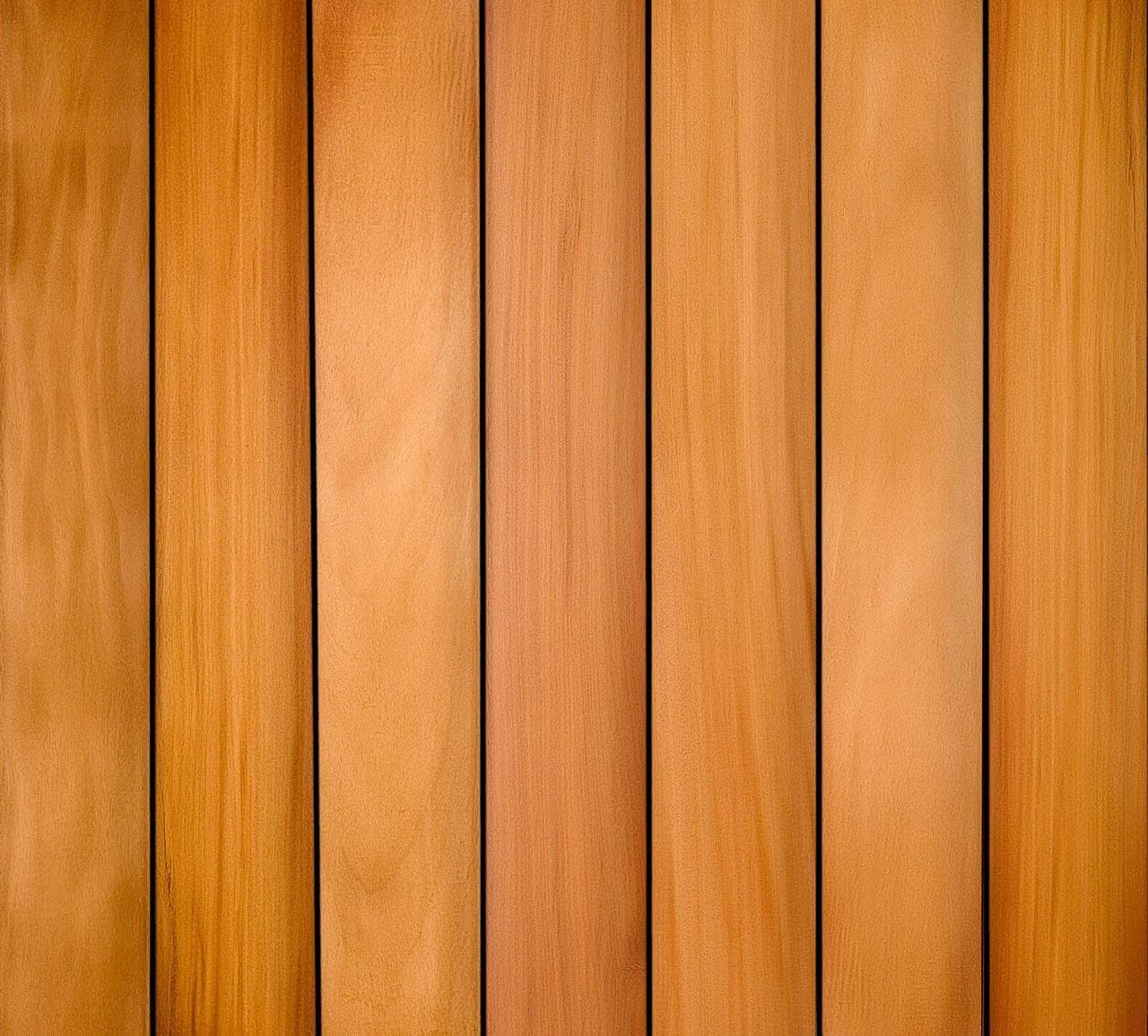
Garapa, also known as Brazilian Ash, is a tropical hardwood recognized for its golden color. This characteristic makes it a choice for modern architectural designs, providing a warm and natural look that can complement various building exteriors. Beyond its appearance, Garapa is valued for its inherent properties that contribute to its suitability for outdoor applications.
Garapa is a dense hardwood, contributing to its durability. It exhibits natural resistance to rot, decay, and certain insects, which can reduce the need for constant chemical treatments often associated with other wood types. These attributes make it a practical material for terraces exposed to the elements.
The wood's profile is typically available in dimensions such as 5/4"x6" (actual 1" x 5.5"), with lengths ranging from 3 to 24 feet. Kiln-dried (KD) availability helps ensure stability. Considering these specifications during the planning phase is essential for efficient material use and a smooth installation process.
For terraces, where space might be at a premium and exposure to weather can be significant, the inherent qualities of Garapa can offer a balance of aesthetic appeal and functional performance. It is important to work with physical samples to appreciate the exact golden tones and grain patterns.
Designing a Terrace with Garapa: A Hypothetical Example
Consider a hypothetical terrace project on a Chicago rooftop, measuring 15 feet by 10 feet. The design goal is to create a functional outdoor living space that can withstand seasonal changes while offering a bright, inviting aesthetic. For this example, we will use Garapa decking boards in the 5/4"x6" (1"x5.5") profile, assuming standard lengths are available.
To calculate the material needed, we first determine the total area: 15 ft x 10 ft = 150 square feet. Each 5/4"x6" board covers approximately 0.458 square feet per linear foot (5.5 inches / 12 inches per foot). For simplicity in this example, let's assume an average board length of 12 feet. This means each 12-foot board covers 12 ft * (5.5/12) ft = 5.5 square feet of deck surface.
Dividing the total area by the coverage per board (150 sq ft / 5.5 sq ft per board) suggests roughly 27-28 boards are needed. However, this calculation does not account for waste from cuts, board spacing, or potential repairs. A common practice is to add 10-15% for waste. For a more precise estimate, considering a 10% waste factor, you would need 150 sq ft * 1.10 = 165 sq ft of material. This translates to approximately 30 boards (165 sq ft / 5.5 sq ft per board).
It is crucial to create a detailed layout plan, including board direction, spacing, and any border details. For a 15-foot length, a 12-foot board would require a 3-foot cut piece. This offcut could be used elsewhere, but careful planning minimizes waste. For terraces, board direction often runs perpendicular to the longest dimension or along sightlines from an interior door. Proper joist spacing and ventilation underneath the deck are also critical, especially in urban settings where airflow might be restricted.
This hypothetical example illustrates the importance of detailed measurements and waste calculations. Always consult with a professional and verify actual board dimensions and available lengths when placing an order.
Planning for Chicago's Climate and Terrace Conditions
Chicago's climate, with its distinct seasons, means a terrace decking material must be able to handle fluctuating temperatures, humidity, and precipitation. Garapa's natural resistance to weather changes is a beneficial characteristic for such conditions. However, proper installation techniques are still essential.
Terraces, especially those on upper levels or rooftops, can experience significant sun exposure, which can affect the wood's appearance over time. Garapa's golden color will gradually lighten to a silver-gray patina if left untreated. If maintaining the original golden hue is desired, regular application of a UV-inhibiting finish is recommended.
Drainage is another critical factor for urban terraces. Ensuring adequate slope and proper spacing between decking boards allows water to shed effectively, preventing pooling and minimizing moisture exposure. This helps preserve the decking and the underlying structure. Ventilation beneath the deck is equally important to prevent moisture buildup.
For coastal or winter-prone areas, careful consideration of potential ice and snow accumulation is necessary. While Garapa is durable, consistent snow load and freeze-thaw cycles can still impact any decking material. Designing for efficient snow removal and ensuring the structural support can handle potential loads are key planning steps.
Installation Considerations for Garapa Decking
Garapa's density means it requires specific installation practices. While it is generally considered easy to work with, its hardness indicates that pre-drilling is necessary for fasteners to prevent splitting. This applies to both face-fastening and hidden fastener systems.
Board spacing is critical for hardwood decking. Wood naturally expands and contracts with changes in moisture and temperature. Adequate spacing allows for this movement, preventing buckling or cupping. The exact spacing requirements depend on the board width, moisture content at installation, and anticipated environmental conditions. Always refer to the manufacturer's specific guidelines.
Ventilation underneath the deck is paramount, particularly for terraces that might have limited airflow. Proper cross-ventilation helps prevent moisture accumulation, which can lead to issues like mold, mildew, and premature material degradation. Raised terrace designs often allow for better airflow compared to ground-level decks.
For a professional finish, consider coordinating Garapa decking with complementary fascia boards or trim. This creates a cohesive look and protects the edges of the deck from direct exposure. Ensure all cuts are sealed to minimize moisture absorption into the end grain.
Maintaining Your Garapa Terrace Deck
Garapa decking is known for its relatively low maintenance requirements compared to some other wood species. It possesses natural resistance to rot, decay, and insects, which means it does not require constant chemical treatments to maintain these properties.
To preserve the golden color, periodic application of a UV-inhibiting oil finish is necessary. Without such treatment, Garapa will naturally weather to a silver-gray patina over time. The frequency of reapplication depends on the specific product used, the amount of sun exposure, and local climate conditions.
Routine cleaning involves sweeping away debris and washing the deck with mild soap and water. Avoid harsh chemicals or pressure washers at high settings, as these can damage the wood surface. Promptly address any spills or stains to prevent them from setting.
Regular inspection of your deck for any signs of wear, loose fasteners, or accumulated debris in board gaps is recommended. Addressing minor issues promptly can help extend the life and appearance of your Garapa terrace deck.
Before you order
- Confirm terrace dimensions and structural load capacity with an engineer or contractor.
- Obtain physical Garapa decking samples to assess color and grain.
- Decide on desired aesthetic: natural silver-gray patina or maintained golden tone (requires finish).
- Plan board layout, including direction, cuts, and potential border details.
- Calculate material quantities, accounting for waste (e.g., 10-15% extra).
- Verify joist spacing and sub-structure compatibility with Garapa board dimensions.
- Ensure adequate drainage and ventilation for the terrace environment.
- Select appropriate fasteners (hidden or face-fastened) and confirm pre-drilling requirements.
- Research compatible UV-inhibiting finishes if maintaining original color is desired.
- Plan for ongoing maintenance, including cleaning and reapplication of finishes.
Confirm installation details, approved uses and warranty terms in the current instructions for the exact product and profile. Your installer should verify the substrate, structure and applicable project requirements.
This is a planning guide for projects in Chicago, IL. Ask our team to confirm availability, delivery to your ZIP code and which branch can support your order.
Questions to help you decide
How does Garapa decking perform in Chicago's climate?
Garapa is a durable hardwood with natural resistance to weather changes, making it suitable for Chicago's varied climate. Its density helps it withstand temperature fluctuations and moisture. However, proper installation with adequate drainage and ventilation is crucial for long-term performance.
Will Garapa decking maintain its golden color on a terrace?
Garapa has a natural golden color. If left untreated and exposed to UV rays, it will gradually weather to a silver-gray patina. To maintain the original golden hue, periodic application of a UV-inhibiting oil finish is recommended. The frequency of reapplication depends on sun exposure and the specific product used.
Is Garapa decking difficult to install for a terrace project?
Garapa is considered easy to work with by professionals. However, due to its density, pre-drilling is necessary for all fasteners to prevent splitting. Proper board spacing for expansion and contraction, as well as ensuring adequate ventilation beneath the deck, are critical installation considerations for any hardwood decking, especially on terraces.
Ready to Plan Your Garapa Terrace Deck?
For your Chicago terrace project, request a material quote. Provide your project dimensions, desired Garapa profile (e.g., 5/4"x6"), and ZIP code to confirm current availability and service options. Our team can assist with material selection for your specific design needs.
Request a material quote →