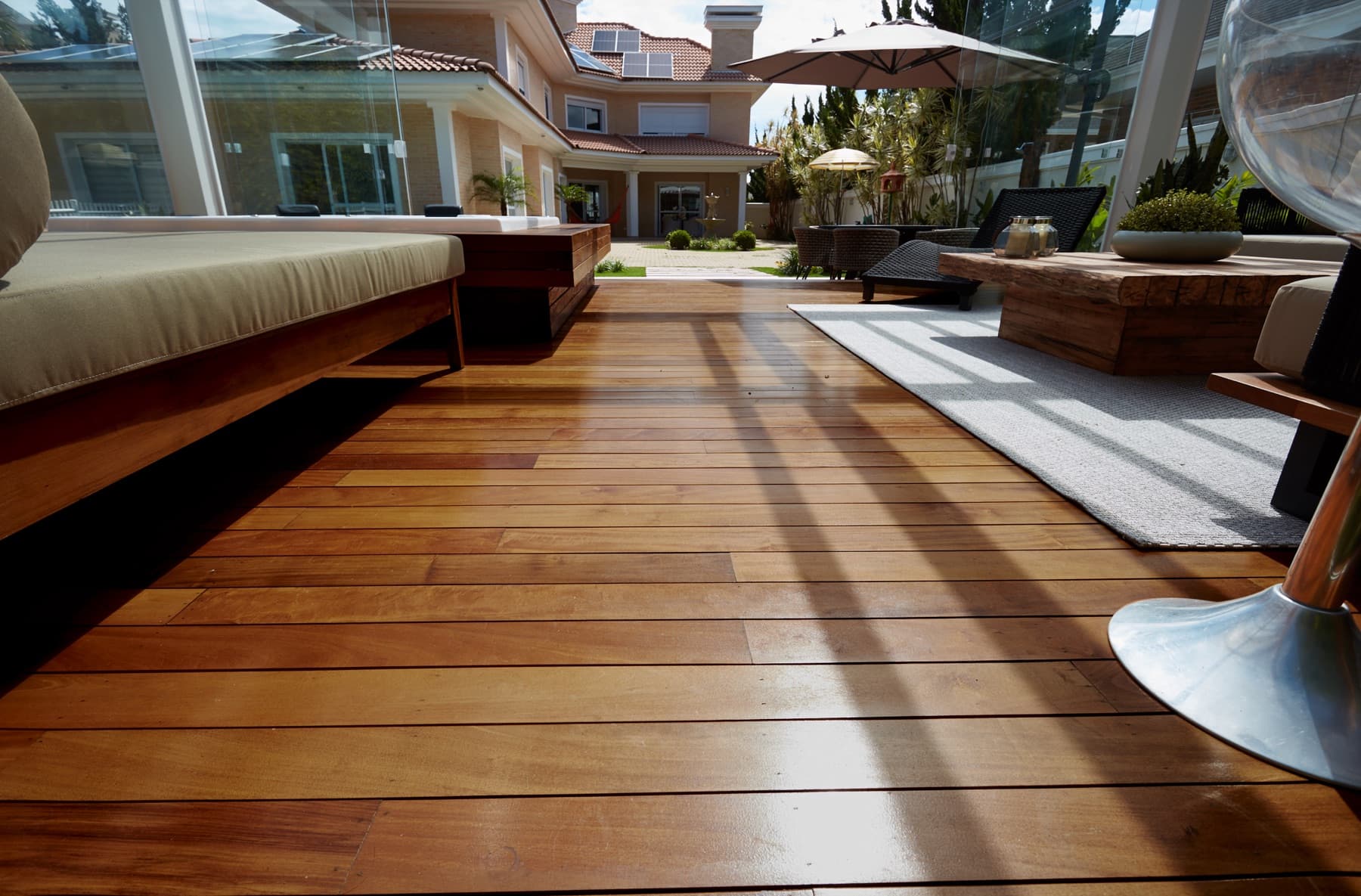
Evaluating Your Existing Deck Frame
Before selecting new decking boards, a thorough inspection of your existing deck frame is crucial. The condition and structural integrity of the joists, beams, and ledger board will dictate whether they can support the new decking material. Hardwoods like Ipe and Cumaru are notably dense and heavier than many common decking materials, which means the underlying structure must be robust enough to handle the increased load.
Check for any signs of rot, insect damage, or excessive deflection. Ensure all fasteners are secure and that the frame is level and true. If significant issues are found, these must be addressed, potentially requiring repairs or partial replacement of the frame before new decking can be installed. This initial assessment can help prevent future structural problems and ensures your renovated deck is safe and long-lasting.
Understanding Hardwood Decking Species: Ipe and Cumaru
For renovation projects, selecting a hardwood that offers both durability and aesthetic appeal is key. Ipe and Cumaru are two popular Brazilian hardwoods known for their strength and natural resistance.
Ipe, often called Brazilian walnut, is a benchmark for outdoor decking. It is recognized for its reddish-brown to olive-brown tones and minimal movement after installation. Ipe's natural resistance to weather changes, mold, and termites makes it a robust choice for exterior applications. It is available in various profiles and lengths.
Cumaru is another very durable tropical hardwood, resistant to termites and weather changes. It offers stiffness, strength, and extreme hardness. Cumaru presents a range of warm, reddish-brown hues and can emit a subtle cinnamon and vanilla scent when cut or worked. Both species offer high density, which contributes to their longevity and performance in demanding environments.
These hardwoods are dense, which contributes to their longevity and stability, but also means they require specialized tools and techniques for installation. Professional installation is often recommended to ensure proper handling and fitting.
Appearance and Weathering in the Chicago Climate
The finished appearance of your hardwood deck will evolve over time, especially in a climate with seasonal variations. Both Ipe and Cumaru will naturally weather to a silvery-gray patina if left untreated. This natural aging process does not affect their structural integrity.
If you prefer to maintain the original rich brown tones of Ipe or the warm hues of Cumaru, an annual application of a UV-blocking sealer or oil is recommended. This maintenance task helps preserve the wood's color and can enhance its natural beauty. Consider how this aesthetic choice fits with your home's style and your willingness to perform annual upkeep.
The dense nature of these hardwoods also contributes to their resistance against warping and cracking, a valuable characteristic when exposed to Chicago's freeze-thaw cycles and humidity fluctuations.
Planning for Ventilation and Drainage
Proper ventilation and drainage are critical for the longevity of any deck, particularly when renovating with dense hardwoods. Adequate airflow beneath the deck helps prevent moisture buildup, which can lead to issues like mold or rot, even in naturally resistant woods. Ensure there is sufficient space between the deck boards for water to drain and for air to circulate.
For ground-level decks or those with limited clearance, consider adding perimeter gaps or vents to improve airflow. Review your existing deck's design to identify any areas where water might pool or airflow is restricted. Addressing these concerns during the renovation can significantly extend the life of your new hardwood decking.
Hypothetical Project Example: A Chicago Rooftop Deck Renovation
Imagine renovating a 20-foot by 10-foot rooftop deck in Chicago. The existing deck surface is worn, but the underlying steel frame and concrete pavers are deemed structurally sound. The goal is to replace the surface with a durable, low-maintenance hardwood that will complement the urban setting and withstand diverse weather.
After evaluating species, Ipe hardwood decking is chosen for its superior durability and sophisticated appearance. The existing frame supports are spaced at 16 inches on center. Ipe boards are available in 1x6-inch nominal dimensions (actual ~¾ inch x 5½ inch) in random lengths. To calculate the material needed, we first find the total area: 20 ft x 10 ft = 200 sq ft.
Assuming minimal waste and working with an installer to optimize cuts from random lengths, a common rule of thumb for 1x6 boards is that 2.2 linear feet cover approximately 1 square foot. Therefore, 200 sq ft * 2.2 linear ft/sq ft = 440 linear feet of Ipe boards would be a starting estimate for coverage. However, accounting for cuts, end-matching, and potential waste, especially with random lengths, it's prudent to add 10-15% for waste, bringing the estimate to approximately 484-506 linear feet. This quantity would then be ordered in full board lengths available, ensuring a cut plan is developed to maximize yield and minimize waste.
The project also includes new fascia boards for the perimeter, requiring additional linear footage of Ipe in a suitable profile. Hidden fasteners are selected for a clean, uninterrupted surface. The homeowner plans to let the Ipe weather to a silvery-gray, opting for an annual wash rather than oiling to maintain the original color.
Before you order
- Assess the structural integrity of your existing deck frame: Check joists, beams, and ledger board for rot, insect damage, and secure fastening.
- Verify the frame's load-bearing capacity: Ensure it can support the higher density and weight of hardwood decking.
- Choose a hardwood species: Compare Ipe, Cumaru, and other options based on durability, appearance, and maintenance preferences.
- Consider the aesthetic: Decide whether to maintain the wood's original color with oiling or allow it to weather to a silvery-gray.
- Plan for ventilation and drainage: Confirm adequate airflow beneath the deck and proper water runoff to prevent moisture issues.
- Account for installation requirements: Hardwoods may require specialized tools and professional installation due to their density.
- Calculate material quantities: Measure your deck dimensions precisely and add waste factor for cuts and end-matching.
- Coordinate with your contractor: Discuss material handling, installation techniques, and any necessary frame modifications.
Confirm installation details, approved uses and warranty terms in the current instructions for the exact product and profile. Your installer should verify the substrate, structure and applicable project requirements.
This is a planning guide for projects in Chicago, IL. Ask our team to confirm availability, delivery to your ZIP code and which branch can support your order.
Questions to help you decide
Can I install hardwood decking over my existing deck frame?
You can, provided your existing frame is in excellent structural condition and can support the increased weight of hardwood. Hardwoods are denser than many other decking materials, so a professional assessment of your frame's load-bearing capacity is crucial before proceeding with a renovation.
What is the difference between Ipe and Cumaru for a renovation?
Both Ipe and Cumaru are durable Brazilian hardwoods suitable for decking. Ipe is often considered the benchmark, known for its extreme hardness and stability, with colors ranging from reddish-brown to olive-brown. Cumaru is also very hard and durable, offering similar resistance properties, with warm, reddish-brown tones. Your choice may come down to specific color preference and budget.
How do I maintain my hardwood deck in Chicago's climate?
For hardwood decking in Chicago, a simple annual wash is typically sufficient for structural integrity. If you prefer to retain the wood's original rich color, apply a UV-blocking sealer or oil annually. If left untreated, the wood will naturally weather to a silvery-gray patina, which is also a popular aesthetic choice and does not compromise the wood's durability.
Plan Your Hardwood Deck Renovation
Ready to transform your Chicago deck with durable hardwood? Request a material quote with your project dimensions, desired profile, and ZIP code to confirm current availability and service options.
Request a material quote →