Why Ipe Decking Suits Charleston Courtyards
Ipe wood, also known as Brazilian walnut, is a dense, durable hardwood originating from South America. Its natural properties make it a suitable choice for outdoor applications, particularly in environments like Charleston with its humid climate.
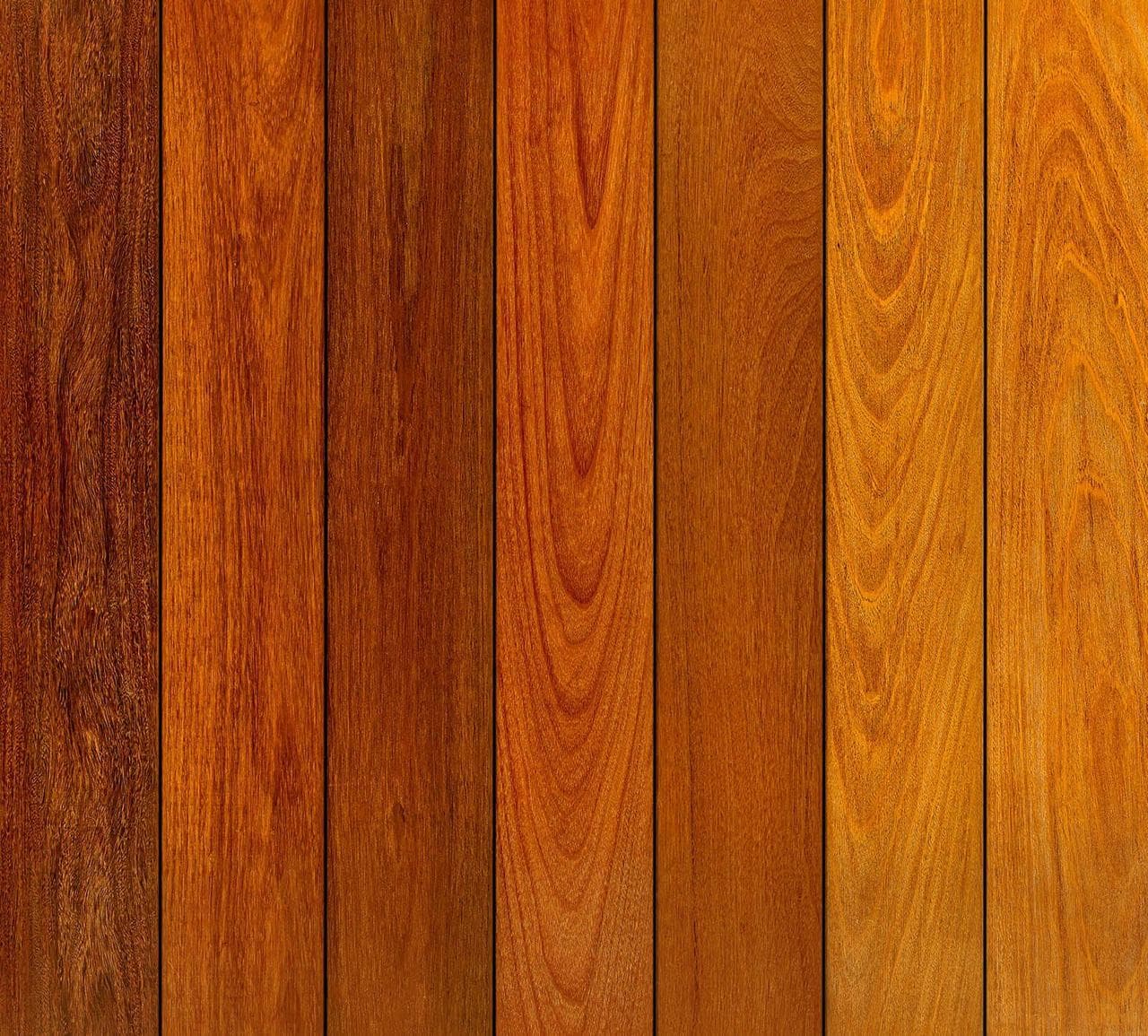
Ipe is naturally resistant to rot, insects, and mold, which is a significant advantage in areas prone to moisture. It also exhibits minimal movement post-installation and resists warping after moisture exposure, helping maintain the integrity of your courtyard deck over time. These characteristics contribute to its reputation for longevity in outdoor settings. If left untreated, Ipe will weather to a silvery-gray patina; applying a UV-blocking sealer can help preserve its original reddish-brown to olive-brown tones.
For a courtyard, where a deck might be exposed to varying levels of sun and shade, Ipe's resistance to weather changes can provide a consistent and stable surface.
Courtyard Design Considerations for Ipe Decking
Courtyards often present unique design challenges and opportunities. Space is frequently more constrained than in open backyards, necessitating efficient layouts and careful material choices. When planning an Ipe deck for a Charleston courtyard, consider the following:
Drainage: Ensure proper drainage beneath and around the deck. Courtyards can sometimes trap moisture, so adequate ventilation and a slight slope for water runoff are important to prevent standing water.
Light and Shade: Courtyards can be heavily shaded by surrounding structures or receive intense direct sunlight. Ipe performs well in both conditions, but the choice of finish can impact its appearance. An oiled finish will need more frequent reapplication in full sun.
Integration with Landscaping and Structures: Ipe decking can complement various courtyard elements, from potted plants to built-in seating or water features. Its natural wood tones can provide a warm contrast to brick, stucco, or other hardscaping materials common in Charleston.
Board Widths and Layout: The available profiles for Ipe decking generally range from 1x2 inches to 6x6 inches in various lengths. For smaller courtyards, narrower boards might create a sense of greater space, while wider boards can offer a bolder look. Consider a straight lay or a diagonal pattern to influence the visual flow of the space.
Selecting Ipe Decking Profiles and Dimensions
Ipe decking is available in a variety of profiles and dimensions, allowing for flexibility in design. Common decking boards include standard nominal sizes like 1x4, 1x6, 5/4x4, and 5/4x6 inches, often offered in lengths ranging from 3 to 24 feet.
Square-edge boards are typically used for face-fastened applications, where screws are driven through the face of the board. Grooved boards are designed for use with hidden fastening systems, which create a smooth, fastener-free surface. Your choice will depend on your aesthetic preference and installation method.
For fascia and trim, Ipe can also be sourced in larger dimensions or custom milled to create a cohesive look around the perimeter of your courtyard deck. Always confirm the actual finished dimensions, as nominal sizes can vary slightly from the true measurement.
Hypothetical Courtyard Deck Project Example
Consider a hypothetical courtyard in Charleston, measuring 15 feet by 12 feet, where a new Ipe deck is planned. The goal is to create an outdoor dining area that is durable and visually appealing.
Dimensions: The courtyard is 15 feet (180 inches) long by 12 feet (144 inches) wide.
Layout Strategy: The deck boards will run parallel to the 15-foot length of the courtyard, minimizing cuts and emphasizing the length. A picture-frame border will be used to define the edge.
Board Calculation: For the main field, with boards running 15 feet long, we need to cover 12 feet of width. Each board is 5.5 inches wide. To cover 144 inches (12 feet) of width: 144 inches / 5.625 inches/board = 25.6 boards. Rounding up, we would need 26 boards for the main field. Since boards are 15 feet long, we'd purchase 26 x 15-foot boards.
Picture Frame Border: For a single border around the 15x12 foot deck, we would need two 15-foot boards and two 12-foot boards. However, for mitered corners or specific design details, additional material for cuts and waste should be factored in.
Total Estimated Material: For the main field, 26 boards at 15 feet each. For the border, two 15-foot boards and two 12-foot boards. This calculation is a simplified example and does not include waste factor, joist spacing, or specific fastener requirements. Always consult with a professional for detailed material takeoffs.
Maintenance Expectations for Ipe Decking
Ipe is considered a low-maintenance hardwood, but some care is needed to maintain its appearance and prolong its life. In Charleston's climate, regular cleaning is particularly important.
Cleaning: Periodically clean your Ipe deck to remove dirt, pollen, and mildew. A mild cleaner and a soft-bristle brush, followed by rinsing, can help prevent buildup. Avoid harsh chemicals or high-pressure washers, which can damage the wood fibers.
Appearance: Ipe can be left untreated to weather to a silver-gray patina. If you prefer to retain the wood's original reddish-brown to olive-brown color, a UV-blocking oil finish can be applied. In areas with high sun exposure, this finish may need reapplication annually or as recommended by the product manufacturer.
End-Grain Sealer: Applying an end-grain sealer to freshly cut ends helps minimize checking and splitting, especially important in fluctuating humidity levels. This step is crucial during installation.
Ventilation: Ensure good airflow beneath the deck. Proper ventilation helps prevent moisture accumulation, which can contribute to mold and mildew growth, even on naturally resistant Ipe.
Before you order
- Confirm courtyard dimensions and desired deck area.
- Evaluate sunlight exposure and shade patterns throughout the day.
- Plan for adequate drainage and ventilation beneath the deck.
- Select Ipe decking profile (e.g., 5/4x6 grooved or square-edge).
- Determine preferred installation method (hidden fasteners or face-fastening).
- Decide on desired aesthetic: natural silver-gray patina or oiled finish.
- Account for any built-in features like seating, planters, or lighting.
- Consider the transition between the deck and adjacent courtyard surfaces.
- Factor in material for a picture-frame border or other design details.
- Plan for end-grain sealer application during installation.
Confirm installation details, approved uses and warranty terms in the current instructions for the exact product and profile. Your installer should verify the substrate, structure and applicable project requirements.
This is a planning guide for projects in Charleston, SC. Ask our team to confirm availability, delivery to your ZIP code and which branch can support your order.
Questions to help you decide
How long can Ipe decking last in Charleston's climate?
With proper installation and care, Ipe decking is known for its longevity. It is naturally resistant to rot, insects, and mold, making it suitable for humid environments. Regular cleaning and optional sealing can help maintain its appearance over many years.
Does Ipe decking require special fasteners?
Due to its density, Ipe often requires specialized fasteners and installation techniques. Hidden fastening systems are popular for a clean look with grooved boards. If face-fastening, pre-drilling pilot holes is essential to prevent splitting, and stainless steel fasteners are recommended for corrosion resistance.
Can Ipe decking be installed directly over a concrete courtyard slab?
Installing Ipe decking directly over a concrete slab requires careful planning to ensure proper drainage and ventilation. Sleepers or a low-profile deck system are often used to elevate the decking, allowing for airflow and water runoff. Without adequate ventilation, moisture can become trapped, potentially leading to issues.
Ready to Plan Your Ipe Courtyard Deck?
For a material quote and to confirm current availability and service options for Ipe decking in Charleston, SC, please request a quote with your project dimensions, desired profile, and ZIP code.
Request a material quote →