Understanding Garapa Hardwood for Terrace Applications
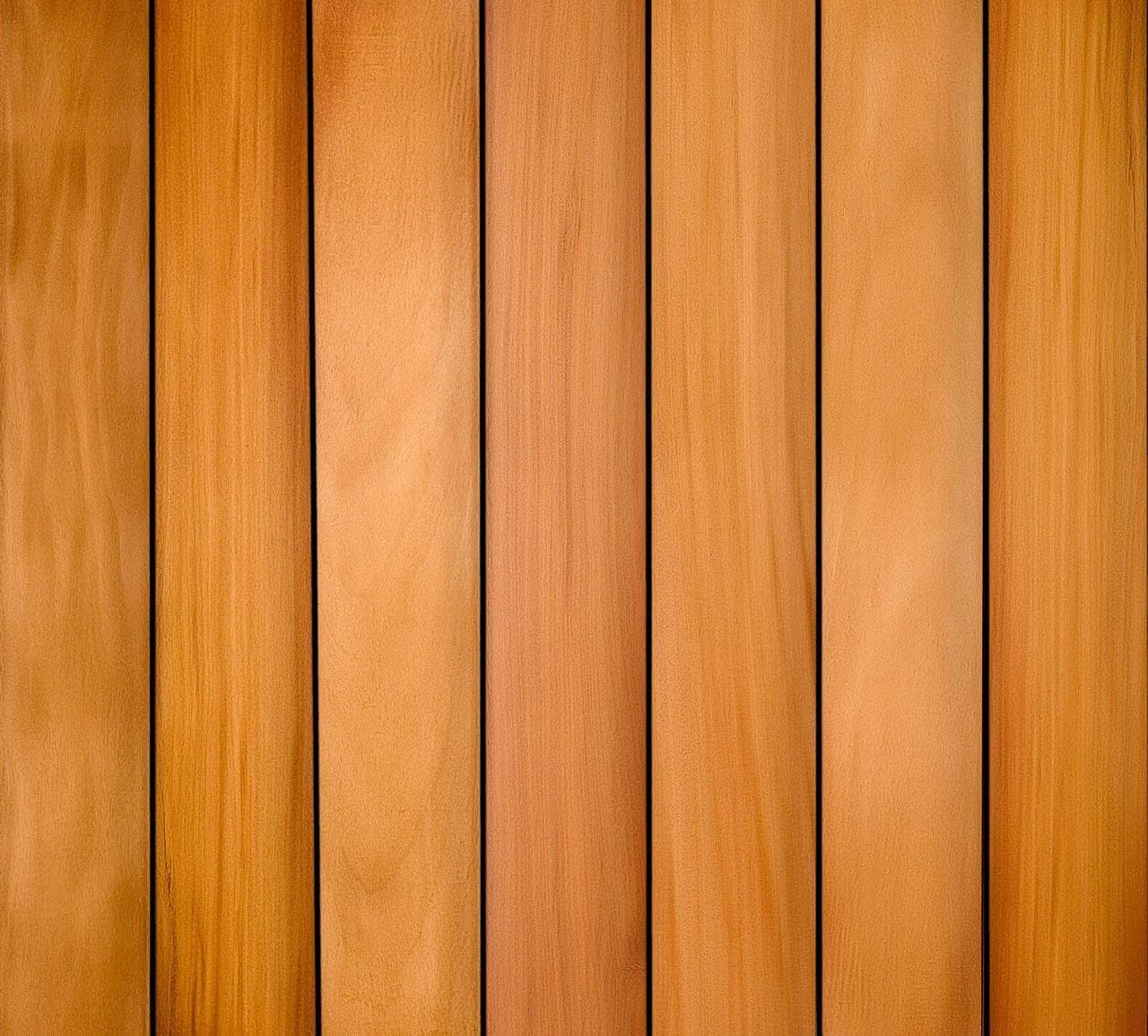
Garapa (Apuleia leiocarpa) is a tropical hardwood sourced from Brazil, recognized for its distinctive golden color. This characteristic makes it a popular choice for modern architectural designs where a bright, natural wood aesthetic is desired for exterior applications.
Beyond its appearance, Garapa is noted for its durability. It has an air dry density of 4.11 lbs/bf and offers natural resistance to termites and various weather changes. This inherent resilience means it does not require constant chemical treatments to resist mold and decay, simplifying maintenance for terrace applications. It is also described as scratch and slip resistant, with minimal splintering, which are practical advantages for a high-traffic outdoor living area. Garapa is available in profiles such as 5/4"x6" (1" x 5.5"), with lengths typically ranging from 3 to 24 feet, often kiln-dried (KD) for stability. Grooved options may also be available for specific fastening systems.
For a terrace, which is frequently exposed to sun and occasional rain, Garapa's natural properties can contribute to a long-lasting surface. The wood is also described as having a good fire rating, comparable to steel, which can be a consideration for any outdoor structure connected to a home.
Garapa's advantages include its long lifespan, natural resistance to rot and insects, good value, and its golden color. These features make it a compelling material for creating an inviting and enduring terrace.
Terrace Design Considerations for Charleston Climate
Charleston's climate, characterized by warm, humid summers and mild winters, influences material choices and design specifics for outdoor terraces. High humidity and rainfall mean proper ventilation and drainage are critical for any decking material, including Garapa. An elevated terrace often has inherent advantages for airflow compared to a ground-level deck, but thoughtful design is still essential.
Consider the orientation of your terrace. A south-facing terrace will experience more intense sun exposure, which can accelerate the natural weathering process of Garapa to a silver-gray patina if left untreated. If maintaining the golden color is a priority, regular application of a UV-inhibiting oil finish will be necessary. For terraces with more shade, the risk of biological growth (like mildew) might be higher, making good ventilation and regular cleaning important.
The substructure for a Garapa terrace must be robust and designed to allow for adequate drainage and airflow. Ensure that the decking boards are spaced appropriately according to manufacturer guidelines to allow for expansion, contraction, and water runoff. This is particularly important in humid environments to prevent moisture from getting trapped and potentially accelerating wear. Proper flashing and waterproofing where the terrace meets the house are also crucial to protect the building envelope from moisture intrusion.
Selecting Garapa Profiles and Quantities
Garapa decking is commonly available in a 5/4"x6" profile, which measures approximately 1 inch thick by 5.5 inches wide. This standard dimension offers a balance of stability and appearance for most residential terrace applications. The choice of board lengths (typically 3 to 24 feet) will impact the number of seams and the overall visual flow of your terrace. Longer boards can create a more continuous look but may require more careful planning for delivery and installation.
To calculate the quantity needed for your terrace, start by accurately measuring the dimensions of your project area. For example, if you have a terrace measuring 12 feet by 15 feet, the total area is 180 square feet. Garapa boards are sold by the linear foot. A 5/4"x6" board covers approximately 0.458 square feet per linear foot (5.5 inches / 12 inches per foot = 0.458).
For a 180 square foot terrace, you would theoretically need about 393 linear feet of decking (180 sq ft / 0.458 sq ft/LF). However, always account for waste due to cuts, miscuts, and selecting for appearance. A common recommendation is to add 10-15% extra for waste. For this example, 393 LF * 1.15 = approximately 452 linear feet. Round up to the nearest full board length available to ensure you have enough material.
Consider the layout: will boards run parallel to the house, or diagonally? Diagonal layouts typically require more waste. If you plan a picture-frame border, those boards will need to be calculated separately based on the perimeter. Consult with your installer or supplier to refine your material take-off, especially for complex designs or when planning for specific board lengths to minimize waste.
Installation Planning and Fastener Choices
The installation of Garapa decking requires careful attention due to its density. While Garapa is described as easy to work with, its density means it is resistant to nailing and screwing, so pre-drilling pilot holes is generally recommended for all fasteners to prevent splitting and ensure a secure connection. It glues easily, which can be useful for certain trim applications.
You have options for fasteners: visible face screws or hidden fastening systems. Face screws offer a strong, direct connection but are visible on the deck surface. Stainless steel screws are recommended to prevent staining and ensure long-term corrosion resistance, especially in a coastal environment like Charleston.
Hidden fastening systems create a clean, unblemished deck surface by securing boards from the sides or underneath. If using a grooved Garapa profile, specific hidden clip systems are designed to fit into these grooves. Always ensure that the chosen fastening system is compatible with Garapa's properties and the specific board dimensions you are using.
Ensure your substructure is level, sound, and provides adequate support. For an elevated terrace, this often means a well-engineered framing system that meets local building codes. Adequate ventilation beneath the deck is vital to prevent moisture buildup, which can lead to cupping or warping of boards over time. This is especially true for terraces built close to an underlying roof or slab.
Maintenance and Longevity of Garapa Terraces
This inherent durability simplifies long-term care compared to some other wood species. However, like all natural wood, Garapa will undergo changes in appearance over time.
If left untreated, Garapa will naturally weather to a silver-gray patina. This is a common and often desired aesthetic for many hardwood decks. If you prefer to maintain the golden color, regular application of a high-quality, UV-inhibiting oil finish will be necessary, typically once or twice a year depending on sun exposure and product instructions. This finish helps protect the wood from UV degradation and can enhance its natural luster.
Routine cleaning is important to remove dirt, pollen, and any mildew that may accumulate, particularly in Charleston's humid climate. A simple cleaning with mild soap and water, followed by a thorough rinse, is usually sufficient. Avoid harsh chemical cleaners, as they can damage the wood or its finish. Ensure any cleaning product is compatible with Garapa and any applied finishes. Promptly remove any leaf litter or debris to prevent moisture accumulation and potential staining.
While Garapa is resistant to splintering, any natural wood can develop splinters over time. Periodic inspection and light sanding of any rough spots can help maintain a smooth surface. Address any loose fasteners or damaged boards promptly to prevent further issues and maintain the structural integrity of your terrace.
Before you order
- Confirm terrace dimensions and layout plan.
- Decide on desired Garapa appearance: natural silver-gray patina or golden tone with oil finish.
- Select Garapa board profile (e.g., 5/4"x6" grooved or non-grooved).
- Choose fastening method: visible stainless steel screws or hidden clips.
- Verify substructure stability, ventilation, and drainage plan.
- Estimate linear footage needed, adding 10-15% for waste.
- Plan for delivery logistics and on-site storage.
- Identify preferred cleaning and maintenance products.
- Consult with a professional installer for local code compliance and installation specifics.
Confirm installation details, approved uses and warranty terms in the current instructions for the exact product and profile. Your installer should verify the substrate, structure and applicable project requirements.
This is a planning guide for projects in Charleston, SC. Ask our team to confirm availability, delivery to your ZIP code and which branch can support your order.
Questions to help you decide
Will Garapa decking change color over time on my Charleston terrace?
Yes, like most natural hardwoods, Garapa will naturally weather to a silver-gray patina when exposed to the sun and elements. If you prefer to maintain its original golden color, you will need to apply a UV-inhibiting oil finish regularly, typically once or twice a year, depending on sun exposure.
Is Garapa decking suitable for the humid climate of Charleston, SC?
Garapa is a durable tropical hardwood with natural resistance to rot, decay, and insects, making it a suitable choice for humid climates. Proper installation with adequate ventilation and drainage is crucial to maximize its lifespan and prevent moisture-related issues. Regular cleaning helps prevent mildew growth.
What is the best way to clean and maintain Garapa decking on a terrace?
For routine cleaning, use a mild soap and water solution with a soft brush, followed by a thorough rinse. Avoid harsh chemicals. If you choose to maintain the golden color, apply a UV-inhibiting oil finish according to product instructions. Regular removal of debris and ensuring good ventilation will also contribute to its longevity.
Request a Quote for Your Garapa Terrace Project
Ready to enhance your Charleston terrace with Garapa decking? Provide your project dimensions, desired Garapa profile, and ZIP code to request a material quote. Our team can help confirm current availability and service options for your area.
Request a material quote →