Why Ipe Decking for Boston Courtyards?
Ipe wood, also known as Brazilian walnut, is a dense, durable hardwood native to South America. Its inherent properties make it well-suited for outdoor applications, including courtyards in an urban setting like Boston. Ipe is recognized for its resistance to rot, insects, and mold, offering a natural defense against common outdoor challenges. This resistance contributes to its potential for a long service life with proper care.
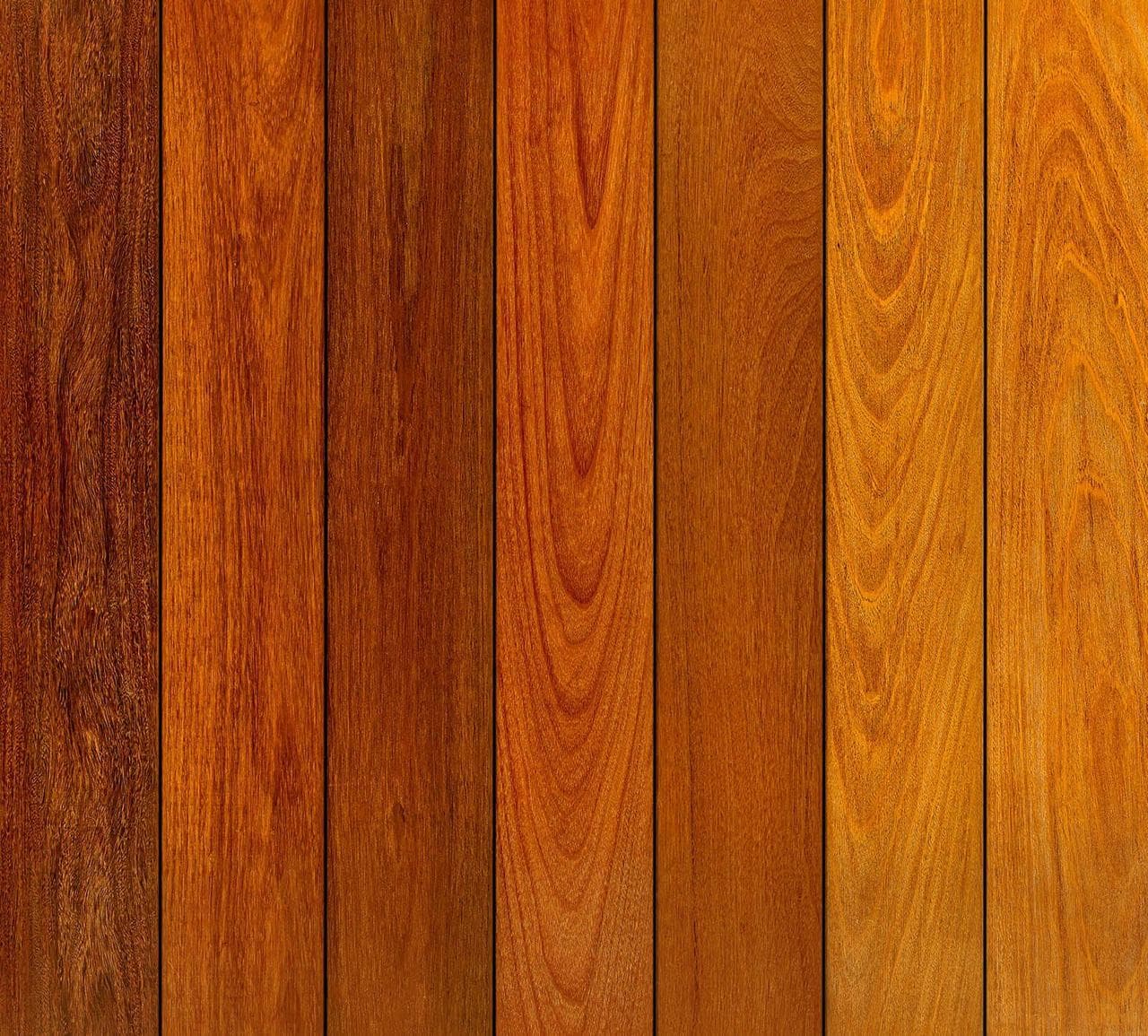
The aesthetic appeal of Ipe is another key factor. Its color spectrum ranges from reddish-brown to olive-brown, which can lend a sophisticated and warm feel to an outdoor room. For a courtyard, where visual impact is often concentrated due to the enclosed nature of the space, Ipe's appearance can enhance the overall design. Its minimal movement post-installation also contributes to a stable and consistent surface.
Planning Your Courtyard: Space, Light, and Drainage
Courtyard outdoor rooms often present specific planning considerations. Space is typically at a premium, requiring efficient layouts. Consider how furniture, planters, and pathways will integrate with the decking. Light exposure can vary significantly throughout the day and across different sections of the courtyard, impacting the perceived color of the wood and potential for weathering. For areas with less sun, Ipe's natural resistance to mold is a benefit.
Effective drainage is critical in any outdoor deck project, especially in an enclosed courtyard. Ensure that the deck design incorporates proper slope and spacing between boards to allow water to shed efficiently. This helps prevent standing water, which can contribute to moisture issues over time. Consulting with a professional on the substructure and drainage plan is recommended to address specific site conditions.
Ipe Decking Profiles and Dimensions
Ipe decking is available in a variety of profiles and dimensions, allowing for flexibility in design. Common profiles include square-edge and grooved boards. Square-edge boards are typically face-fastened, while grooved boards are designed for hidden fastening systems, which can provide a cleaner, uninterrupted surface aesthetic. The choice between these profiles often depends on the desired visual outcome and installation method.
Standard dimensions for Ipe decking can range from 1x2 inches up to 6x6 inches, with lengths available from 3 to 24 feet. For a courtyard, selecting a board width that complements the scale of the space is important. Wider boards can create a sense of expansiveness, while narrower boards might offer a more intricate pattern. Discussing available dimensions and their impact on your specific courtyard design with your supplier is advised.
For example, a common decking profile is 5/4 x 6 inch, which refers to a nominal thickness of 1.25 inches and a nominal width of 6 inches. Actual dimensions may vary slightly, so always confirm the exact measurements before ordering.
Maintenance Considerations for Ipe in Boston's Climate
Ipe wood is known for being low maintenance, especially compared to some other wood species. It can be left untreated to weather to a silvery-gray patina, which many find attractive and suitable for a natural aesthetic. This weathering process is a natural characteristic of Ipe when exposed to UV light and moisture.
If you prefer to maintain Ipe's original reddish-brown to olive-brown color, periodic application of a UV-blocking oil or sealer is necessary. This typically involves cleaning the deck and then applying the finish according to the product manufacturer's instructions. The frequency of reapplication will depend on the specific product used, the deck's exposure to sun and rain, and personal preference. In Boston's varied climate, with its seasonal changes, regular assessment of the deck's appearance will help determine when reapplication is needed.
Regardless of whether you choose to let it weather or maintain its original color, routine cleaning to remove dirt, leaves, and other debris will help preserve the deck's condition and prevent potential staining.
Project Example: A 10x12 Foot Courtyard Deck
Consider a hypothetical courtyard in Boston measuring 10 feet wide by 12 feet long, intended as a dining area. For this project, we'll assume using 5/4 x 6 inch Ipe decking boards, which are nominally 1.25 inches thick and 5.5 inches wide (accounting for milling). We aim for a traditional straight lay, running the boards along the 12-foot dimension to minimize cuts.
To cover the 10-foot width, we would need approximately 22 boards (10 feet / 0.458 feet per board = 21.8, rounded up). Since boards come in various lengths, for a 12-foot run, we would ideally order 12-foot lengths to avoid end-to-end seams. If 12-foot lengths are not available, or for a more random pattern, a mix of shorter lengths would be used, always ensuring proper support and fastening at seams.
The total area is 120 square feet. For a 5/4 x 6 board, each linear foot is roughly 0.52 square feet. To calculate the linear footage needed: 120 sq ft / 0.52 sq ft/linear ft = approximately 231 linear feet. Factoring in cuts, waste, and a typical 10-15% overage for a project of this size, you might consider ordering around 250-265 linear feet of Ipe decking. This example assumes a simple rectangular layout; more complex designs with angles or intricate borders will require more detailed calculations and potentially higher waste factors.
Remember that actual board widths and lengths can vary, and precise calculations should always be based on the specific product specifications and a detailed layout plan.
Before you order
- Determine the primary function of your courtyard outdoor room (dining, lounging, gardening).
- Measure the exact dimensions of your courtyard and sketch a layout, noting any obstructions.
- Assess sunlight exposure throughout the day to plan for weathering or finishing.
- Confirm local building codes and requirements for outdoor structures in Boston, MA.
- Choose between a natural weathered look or an oiled finish for your Ipe decking.
- Select Ipe board profile (square-edge or grooved) based on desired aesthetic and fastening method.
- Consider complementary materials for railings, planters, and furniture.
- Plan for proper drainage to prevent water accumulation on and under the deck.
- Factor in access for material delivery and any necessary equipment for installation.
- Obtain samples of Ipe to visualize its color and grain in your courtyard setting.
Confirm installation details, approved uses and warranty terms in the current instructions for the exact product and profile. Your installer should verify the substrate, structure and applicable project requirements.
This is a planning guide for projects in Boston, MA. Ask our team to confirm availability, delivery to your ZIP code and which branch can support your order.
Questions to help you decide
How does Ipe decking handle Boston's winter weather?
Ipe is highly resistant to weather changes, including the freeze-thaw cycles common in Boston winters. Its natural oils protect it from cracking or warping due to moisture exposure. While it can withstand cold, proper installation with good drainage is still essential to prevent ice buildup and ensure longevity.
Can I install Ipe decking myself in my Boston courtyard?
While it is possible to install Ipe decking yourself, its density and hardness require specialized tools and techniques. Professional installation is often recommended to ensure proper fastening, spacing, and a high-quality finish, especially for those without extensive experience with hardwood decking.
What kind of fasteners should I use for Ipe decking?
Due to Ipe's density, pre-drilling pilot holes is essential for face fastening to prevent splitting. Stainless steel fasteners are recommended for their corrosion resistance, which is important for outdoor applications and compatibility with Ipe. For a hidden fastener system, ensure the chosen system is specifically designed for dense hardwoods like Ipe.
Ready to Plan Your Ipe Courtyard Deck?
Request a material quote with your project dimensions, desired Ipe profile, and ZIP code to confirm current availability and service options for your Boston, MA project. Explore our full range of Ipe decking and related products: Ipe Decking, All Decking, Hardwood Decking, Composite Decking, PVC Decking.
Request a material quote →