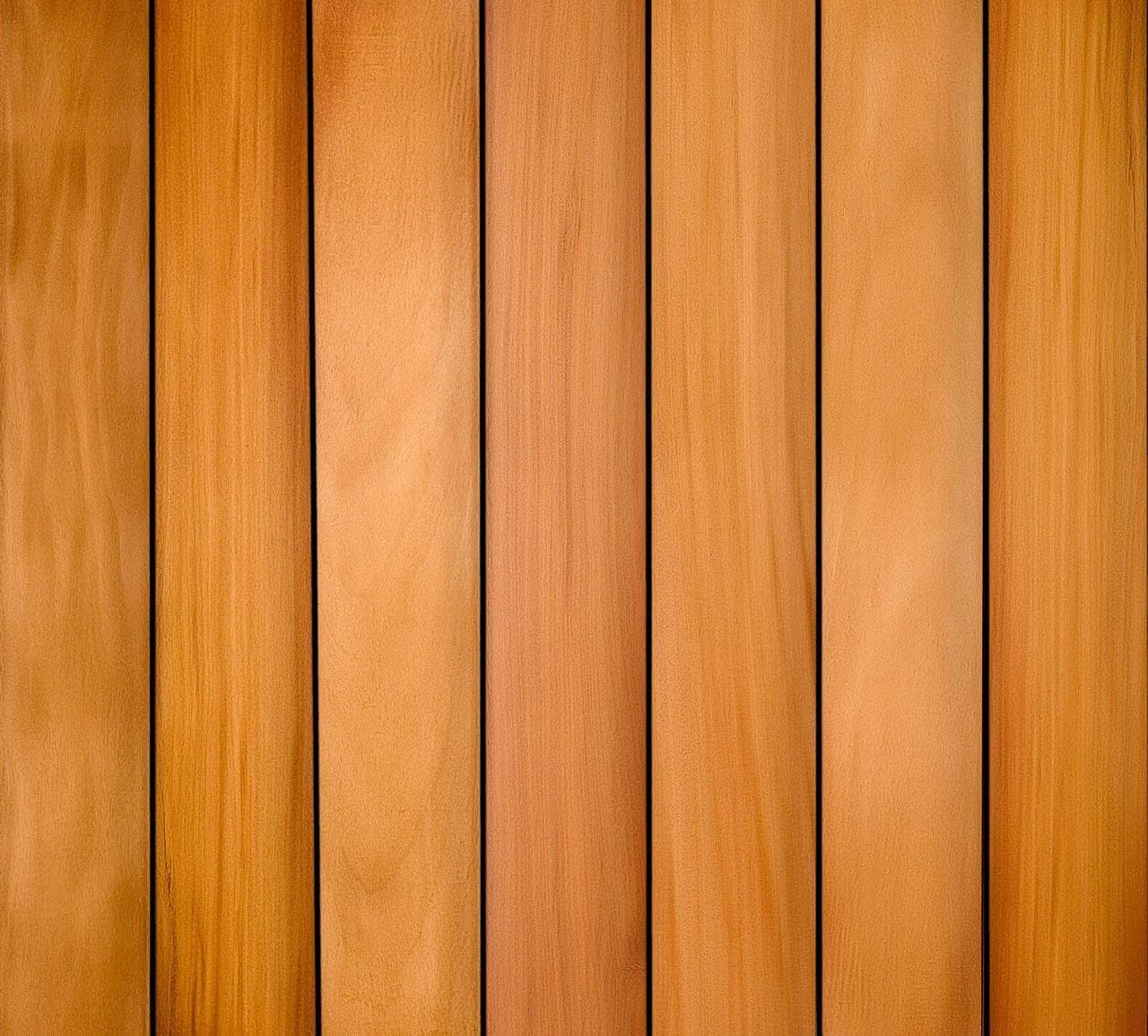
The Distinctive Golden Tone of Garapa
Garapa (Apuleia leiocarpa), sometimes known as Brazilian Ash, is recognized for its clear, golden color. This natural hue can bring a warm and inviting atmosphere to a terrace, complementing both traditional and contemporary architectural styles. Unlike some hardwoods that darken significantly over time, Garapa tends to maintain its golden appearance or mellow into a silver-gray patina if left untreated, offering flexibility in design aesthetics.
The visual appeal of Garapa makes it a suitable choice for terraces where the decking itself is a prominent design feature. Its uniform color allows for a consistent look across the entire surface, providing a clean backdrop for outdoor furniture and landscaping elements. This wood originates from Brazil and is known for its natural resistance to weather changes and termites.
Garapa Decking Profiles and Dimensions
Garapa decking is available in specific profiles that cater to various installation methods and design preferences. Understanding these options is crucial for planning your terrace project.
A common profile for Garapa decking is 5/4"x6", which translates to an actual dimension of 1" x 5.5". This profile is often available with a grooved option, designed for use with hidden fastening systems. Board lengths typically range from 3 to 24 feet, providing flexibility for minimizing seams and optimizing material usage, particularly for larger or uniquely shaped terraces.
The use of kiln-dried (KD) Garapa is common, which helps ensure stability and reduces the likelihood of excessive movement after installation. When planning your layout, consider how board widths and lengths will interact with the dimensions of your terrace to achieve a cohesive look and efficient material use.
Durability and Maintenance for Boston Terraces
This inherent durability is a key advantage for outdoor applications like terraces, where exposure to elements is constant. It possesses natural resistance to rot, decay, and insects, which means it does not require constant chemical treatments to maintain its integrity.
For terraces in Boston, where seasonal weather changes can be significant, the natural resistance of Garapa to weather fluctuations is a beneficial characteristic. While it is naturally resistant, routine cleaning to remove dirt and debris will help preserve its appearance. If the golden color is desired long-term, periodic application of a UV-inhibiting oil can help slow the natural graying process.
Planning a Terrace Layout with Garapa: A Worked Example
Consider a hypothetical Boston terrace project measuring 12 feet by 10 feet, where the goal is a sleek, modern look using Garapa decking. We'll use 1" x 5.5" (actual dimensions) Garapa boards. For this example, we'll plan a simple, linear installation running parallel to the longer 12-foot side.
First, calculate the number of boards needed for the 10-foot width. Each board is 5.5 inches wide, so 10 feet (120 inches) / 5.5 inches/board = approximately 21.8 boards. So, 120 inches / 5.625 inches/board = approximately 21.3 boards. To cover the width, you would need 22 full boards across. If you were to use a 12-foot length for each run, you would need 22 boards of 12-foot length. This totals 22 x 12 = 264 linear feet of decking.
However, Garapa boards are available in lengths from 3 to 24 feet. To minimize waste and seams, it's often more efficient to order boards slightly longer than your run, allowing for precise cuts. For a 12-foot run, ordering 12-foot boards is ideal. If 12-foot boards are not available, two 6-foot boards could be used, creating a seam, or a longer board like 14 or 16 feet could be cut down, with the offcut potentially used for another section or a smaller project detail. Always over-order by 10-15% to account for cuts, waste, and future repairs.
For the 12' x 10' terrace, with 22 boards running 12 feet each, this yields 264 linear feet. Adding a 10% waste factor, you would plan to purchase approximately 290 linear feet of Garapa decking. This calculation assumes a straightforward installation without complex patterns or borders. Always confirm exact dimensions and consider any design elements like picture framing or diagonal layouts, which will affect material quantities.
Comparing Garapa to Other Hardwood Decking
When considering hardwood decking for a Boston terrace, Garapa stands alongside other tropical hardwoods like Ipe. While Ipe is known for its exceptional hardness and dark brown tones, Garapa offers a distinct golden color and comparable durability.
Garapa's air dry density of 4.11 lbs/bf indicates a robust material that can withstand the demands of an outdoor environment. It is also noted for being easy to work with compared to some other dense hardwoods, which can be a factor in installation. For projects prioritizing a lighter, golden aesthetic without compromising on natural resistance, Garapa presents a compelling alternative.
Reviewing physical samples of both Garapa and other hardwoods can help visualize how each material will appear under Boston's natural light conditions and how their colors might complement your home's exterior palette.
Explore other decking options, including engineered solutions:
Decking: [/decking]
Hardwood Decking: [/decking/hardwood]
Ipe Decking: [/decking/hardwood/ipe]
Composite Decking: [/decking/composite]
PVC Decking: [/decking/pvc]
Before you order
- Confirm desired aesthetic: Golden tone or silver-gray patina?
- Measure terrace dimensions accurately for linear footage calculation.
- Choose Garapa profile: Standard 1" x 5.5" with or without grooved option?
- Plan board lengths to minimize seams and waste (3-24 ft availability).
- Consider fastening method: Hidden fasteners (grooved boards) or face fastening?
- Budget for a 10-15% overage for cuts and waste.
- Research local Boston building codes for decking installations (e.g., railing heights, structural requirements).
- Plan for ongoing maintenance: cleaning and optional UV-inhibiting oil application.
- Obtain physical Garapa samples to assess color and texture in project light.
Confirm installation details, approved uses and warranty terms in the current instructions for the exact product and profile. Your installer should verify the substrate, structure and applicable project requirements.
This is a planning guide for projects in Boston, MA. Ask our team to confirm availability, delivery to your ZIP code and which branch can support your order.
Questions to help you decide
How does Garapa decking perform in Boston's climate?
Garapa is a very durable hardwood with natural resistance to weather changes and decay, making it suitable for Boston's varied climate. Its inherent properties help it withstand seasonal shifts without requiring constant chemical treatments. Regular cleaning and optional oiling can help maintain its appearance over time.
What is the typical lifespan of Garapa decking?
This longevity is attributed to its natural resistance to rot, decay, and insects, making it a durable choice for outdoor terrace applications.
Will Garapa decking change color over time?
Garapa is known for its golden color. If left untreated and exposed to UV light, it will naturally weather to a silver-gray patina. To maintain its original golden hue, periodic application of a UV-inhibiting oil is recommended.
Ready to Plan Your Boston Terrace with Garapa Decking?
To receive a material quote tailored to your project, please provide your terrace dimensions, desired Garapa profile (e.g., 1"x5.5" grooved), and your project ZIP code. Our team can also confirm current availability and service options for your area. Request a quote today to begin your planning.
Request a material quote →