Understanding Ipe Decking for Courtyard Applications
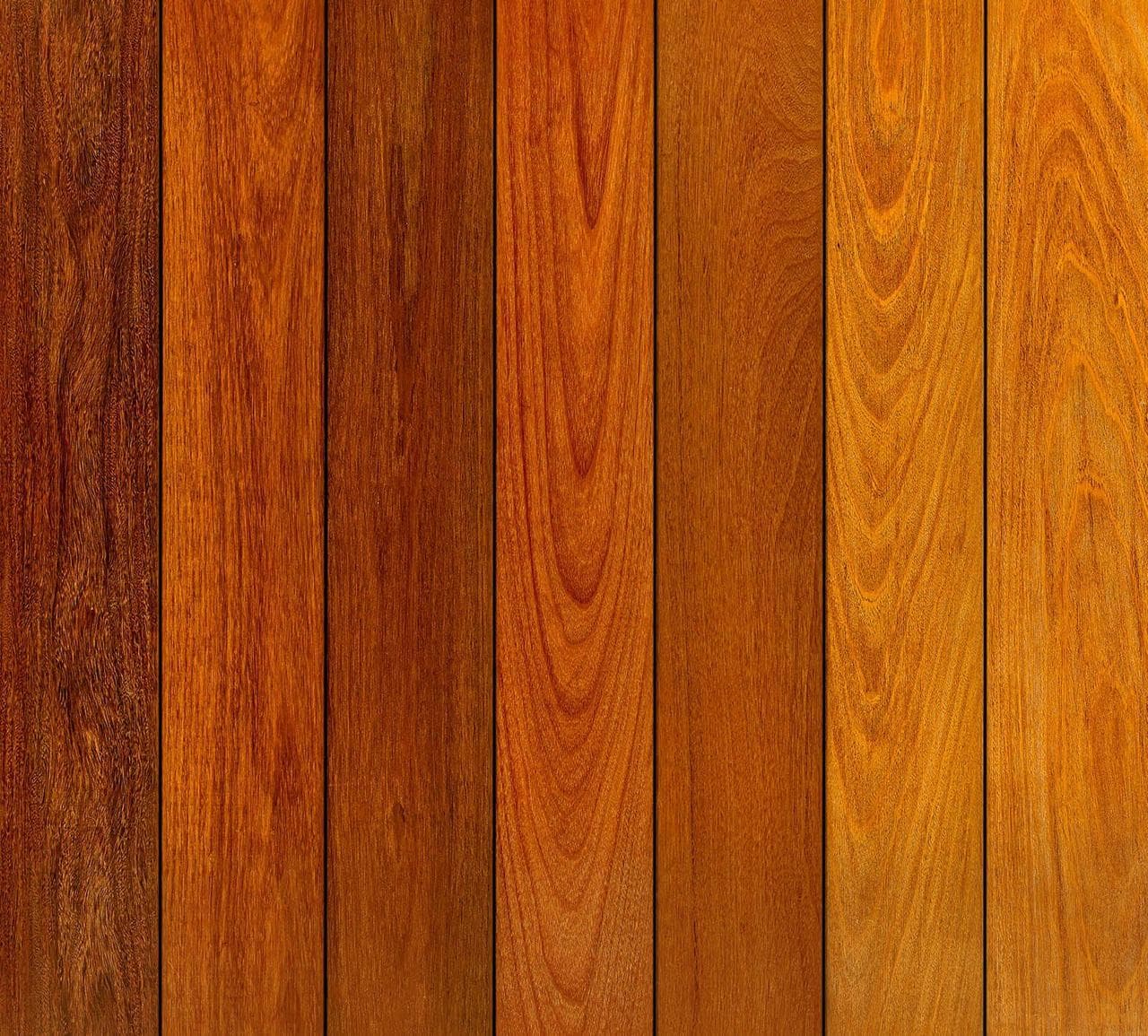
Ipe, also known as Brazilian walnut, is a dense hardwood originating from South America. It is recognized for its reddish-brown to olive-brown tones and its inherent durability. In a courtyard setting, where space might be more enclosed and subject to specific microclimates, Ipe's resistance to weather changes, mold, and termites can be a significant advantage. This natural resilience means the decking can maintain its structural integrity and appearance with appropriate care, even in areas with fluctuating temperatures or periods of moisture.
The density of Ipe contributes to its minimal movement post-installation, which is important for maintaining a consistent surface in a contained courtyard. Its aesthetic qualities, ranging from deep, rich browns to lighter olive hues, can complement various architectural styles common in Bend, OR, from modern to more traditional designs. This material choice sets a foundation that can endure for many years, making it suitable for a primary outdoor living area.
Planning Your Courtyard Deck Layout: A Worked Example
Consider a hypothetical courtyard in Bend, OR, measuring 12 feet by 15 feet, intended to serve as an outdoor dining and lounge area. The goal is to create a seamless, durable surface using Ipe decking. We will use standard 1x6 (nominal) Ipe decking boards, which typically have an actual dimension of approximately 3/4 inch thick by 5.5 inches wide. For this example, we assume boards are available in 12-foot lengths.
To calculate the number of boards needed, first determine the total area: 12 ft x 15 ft = 180 square feet. Each 12-foot board, at 5.5 inches wide (or approximately 0.458 feet), covers 12 ft x 0.458 ft = 5.496 square feet. Dividing the total area by the coverage per board (180 sq ft / 5.496 sq ft/board) suggests approximately 32.75 boards. To account for cuts, waste, and potential board selection, it is prudent to round up and add a buffer, such as 10-15%. For this example, ordering 38 boards (32.75 * 1.15) of 12-foot length would be a reasonable starting point, assuming minimal offcut reuse for edges. This quantity should be confirmed with a detailed cut plan and consideration of specific project needs for waste factor.
This creates a visually continuous flow. If the 15-foot dimension were chosen for board direction, boards would need to be cut or joined, introducing more seams. The choice between these two orientations can impact both the aesthetic and the amount of material waste. Always verify actual board dimensions and available lengths to optimize your order.
Profile and Dimensions: Matching Ipe to Your Courtyard
Ipe decking is available in various profiles and dimensions, typically ranging from 1x2 inches up to 6x6 inches, and in lengths from 3 to 24 feet. For a courtyard deck, common profiles include 1x4, 1x6, 5/4x4, and 5/4x6 (nominal sizes). The choice of profile can influence the deck's appearance and the feel underfoot.
Thicker boards, such as 5/4 (five-quarters), can offer a more substantial feel and potentially greater stability, while 1-inch thick boards provide a sleeker profile. Wider boards (e.g., 1x6) can create a modern, expansive look, while narrower boards (e.g., 1x4) might offer a more traditional or intricate pattern. For a courtyard, consider how the board width will interact with the overall dimensions of the space and the surrounding architecture. Longer boards can reduce the number of end joints, contributing to a cleaner, more continuous surface. Always confirm the exact actual dimensions when ordering, as nominal sizes can vary.
Considering Courtyard Microclimates and Drainage
Courtyards in Bend, OR, can experience unique microclimates due to surrounding buildings, which may influence sun exposure, wind patterns, and moisture retention. Areas that receive less direct sunlight or have restricted airflow might retain moisture longer. Ipe's natural resistance to mold and its ability to resist warping after moisture exposure are beneficial in such environments.
Proper drainage beneath and around the deck is critical. Ensuring adequate ventilation can help prevent moisture buildup and support the long-term performance of the decking. This often involves designing the deck structure to allow air circulation and ensuring the ground beneath is graded away from structures. Your project plan should account for these specific conditions to maximize the benefits of Ipe's natural properties.
Maintaining Your Ipe Courtyard Deck
Ipe wood is considered low maintenance. If left untreated, Ipe will naturally weather to a silvery-gray patina over time. This weathered look is often desired for its aesthetic and requires no regular application of finishes. For those who prefer to maintain the wood's original reddish-brown to olive-brown color, applying a UV-blocking sealer is recommended.
Routine cleaning with a broom or gentle washing can help remove dirt and debris. Occasional deeper cleaning with a suitable deck cleaner can refresh the surface. It is important to avoid harsh chemicals or high-pressure washers that could damage the wood. Always follow the specific care instructions for your chosen finish or for untreated Ipe. This proactive approach helps preserve the deck's appearance and contribute to its longevity.
For related materials and tools, consider reviewing options for deck fasteners and sealers. These can be found at our general decking accessories page or through specific product links like these:
- Decking accessories: [/decking]
- Hardwood decking options: [/decking/hardwood]
- Composite decking alternatives: [/decking/composite]
- PVC decking alternatives: [/decking/pvc]
Before you order
- Confirm courtyard dimensions and intended use (dining, lounge, etc.).
- Select Ipe decking profile (e.g., 1x6, 5/4x6) based on aesthetic and structural preference.
- Determine board length and orientation to minimize waste and optimize visual flow.
- Assess courtyard microclimate for sun exposure, shade, and potential moisture retention.
- Plan for adequate drainage and ventilation beneath the deck structure.
- Decide on desired finish: natural silver patina or oiled appearance with UV-blocking sealer.
- Account for necessary fasteners, support structures, and installation tools.
- Verify local building requirements and permits for deck construction in Bend, OR.
Confirm installation details, approved uses and warranty terms in the current instructions for the exact product and profile. Your installer should verify the substrate, structure and applicable project requirements.
This is a planning guide for projects in Bend, OR. Ask our team to confirm availability, delivery to your ZIP code and which branch can support your order.
Questions to help you decide
How long can Ipe decking last in a Bend, OR courtyard?
With proper installation and care, Ipe decking can last for many decades. Its natural density and resistance to rot, insects, and weather changes contribute to its exceptional longevity, even in varied climates.
Will Ipe decking in a courtyard retain its original color?
If left untreated, Ipe decking will gradually weather to a soft silvery-gray patina. To preserve its original reddish-brown to olive-brown tones, regular application of a UV-blocking oil or sealer is necessary. The frequency of reapplication depends on sun exposure and product specifics.
Is Ipe decking suitable for all types of courtyard designs?
Ipe decking is versatile due to its rich color and durability, making it suitable for many courtyard designs, from modern minimalist to more rustic styles. Its strength allows for various structural approaches. However, specific design elements like intricate patterns or curves may require specialized cutting and installation techniques.
Ready to Plan Your Ipe Courtyard Decking Project?
Request a material quote with your project dimensions, exact profile, and ZIP code. We can help you confirm current availability and service options for Ipe decking.
Request a material quote →