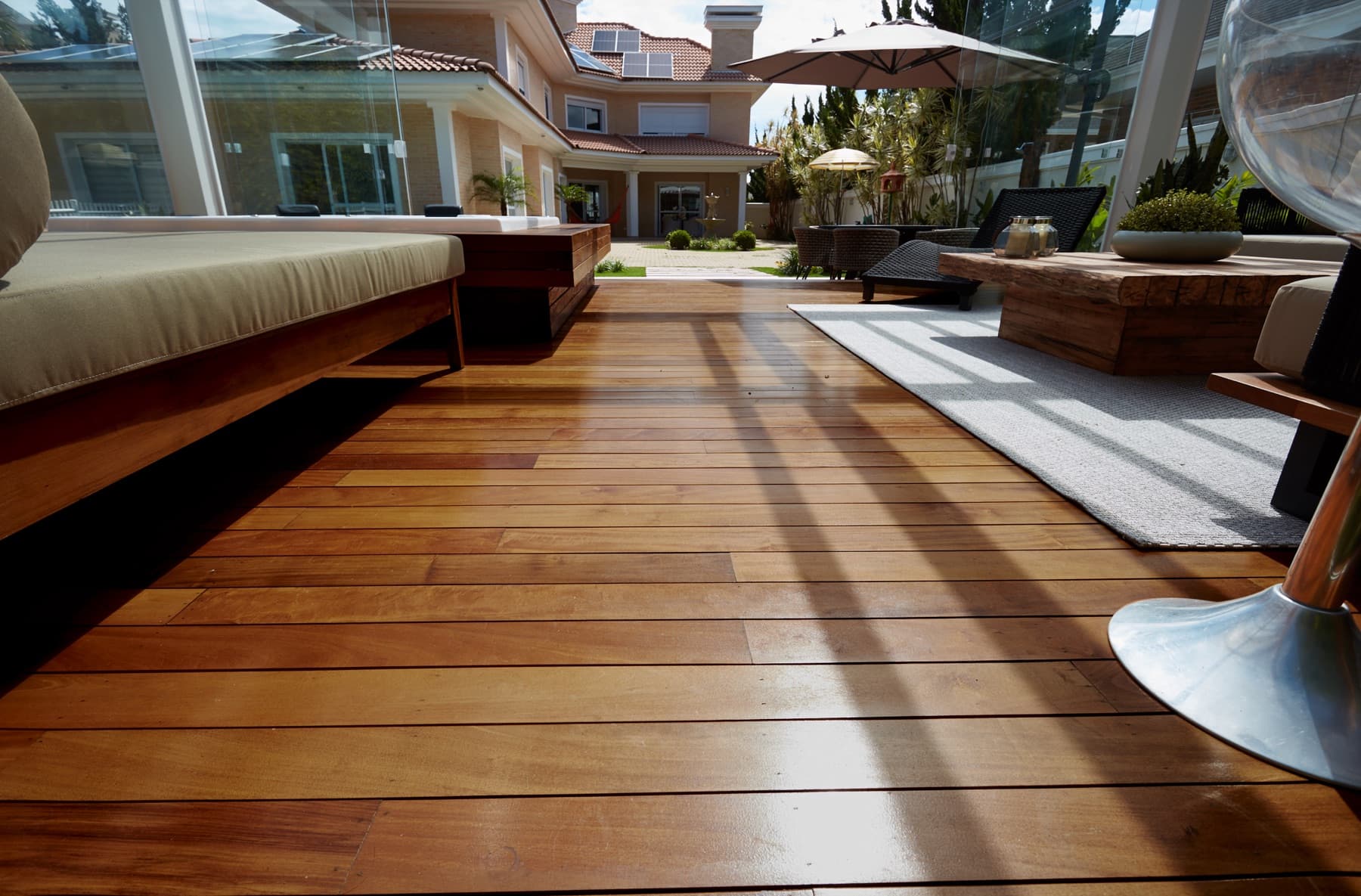
Assessing Your Existing Deck Frame
The first step in any deck renovation is a comprehensive inspection of the existing substructure. This includes joists, beams, ledger boards, and posts. Look for signs of rot, insect damage, significant warping, or structural instability. Even if the surface boards are deteriorated, a sound frame can save substantial time and cost in your renovation.
Consider the age of your current deck. Older decks may have framing that was not designed to support the weight or fastening requirements of dense hardwoods. Consult with a qualified professional to ensure your existing frame can safely accommodate new hardwood decking. They can advise on any necessary repairs, reinforcements, or if a complete frame replacement is more appropriate.
Ensure proper ventilation beneath the deck, especially in regions with fluctuating moisture levels. Good airflow helps prevent moisture buildup, which can compromise the longevity of both the frame and the new decking. Clear any obstructions and confirm adequate spacing between joists.
Choosing the Right Hardwood Species for Bend
For outdoor projects, especially in areas with distinct seasonal changes, selecting a hardwood species known for its durability and weather resistance is key. Lumber Plus offers several Brazilian hardwood options, each with unique characteristics.
Ipe (Handroanthus spp.), also known as Brazilian Walnut, is often considered the benchmark for hardwood decking. It boasts exceptional density and natural resistance to rot, insects, and weather changes. Ipe's color ranges from reddish-brown to olive-brown and can be maintained with oil or allowed to weather to a silvery-gray patina.
Cumaru (Dipteryx odorata) is another very durable tropical hardwood. It shares many resistances with Ipe, including to termites and weather changes, and has a Janka rating that indicates high hardness. Cumaru is a dependable choice for demanding builds and offers a distinct scent of cinnamon and vanilla when worked.
Other species like Garapa and Tigerwood also offer distinct aesthetics and durability levels. Garapa is a value pick with a golden tone, while Tigerwood presents a dramatic figure. Consider the desired appearance, expected lifespan, and maintenance preferences when making your selection.
You can compare these species further at our Hardwood Decking page: /decking/hardwood
Considering Board Profiles and Lengths
Hardwood decking is available in various profiles and lengths. Common profiles include standard deck boards, which may be smooth on both sides or have a grooved underside for hidden fasteners. The choice of profile can impact the final look and installation method.
Lengths can range significantly, from 3 to 24 feet for species like Ipe. Planning your layout with available lengths helps minimize waste and reduce the number of end-to-end seams on your deck. Longer boards can create a more continuous and expansive appearance.
When renovating, measure your deck dimensions carefully. This will inform the optimal board lengths to order, potentially reducing cuts and simplifying installation. Always account for a small percentage of extra material for cuts and unforeseen needs.
Fastening Systems and Deck Ventilation
The fastening method for your hardwood decking is an important consideration. Hidden fastener systems create a clean, unblemished surface, as the fasteners are concealed within the board edges or secured from below. Face-fastening, where screws are driven through the top surface of the board, is also an option and can offer a strong connection.
Regardless of the fastening method, proper deck ventilation is crucial for hardwood. Adequate airflow underneath the deck helps prevent moisture accumulation, which can lead to cupping or warping of the boards over time. Ensure there is sufficient space between boards for drainage and air circulation. Consult the specific product guidelines for recommended spacing.
For additional information on decking options, explore our general decking page: /decking
Worked Example: Calculating Hardwood for a Renovation
Let's consider a hypothetical deck renovation project in Bend, OR. You have an existing deck frame measuring 12 feet by 16 feet, totaling 192 square feet. After inspection, the frame is deemed sound, but the old decking needs replacement. You choose Ipe hardwood decking in a nominal 1x6 (actual ~3/4 inch x 5.5 inch) profile.
First, calculate the linear feet of decking needed. A 5.5-inch wide board covers 0.458 feet of width. For a 12-foot width, you'll need approximately 12 feet / 0.458 feet/board = 26.2 boards. Since boards are typically installed parallel to the 16-foot length, you'll need 27 boards, each 16 feet long, to cover the 12-foot width. This gives 27 boards * 16 feet/board = 432 linear feet.
Add a waste factor, typically 10-15% for cutting and unforeseen issues. For 432 linear feet, adding 15% means 432 * 1.15 = 496.8 linear feet. Round up to 500 linear feet for ordering. This calculation provides an estimate; a detailed cut plan is recommended for precise material ordering, especially if your deck has intricate shapes or a diagonal layout.
Remember, this is an area-equivalent coverage. Confirm available lengths for Ipe, which can be 3–24 ft. If 16-foot boards are not available, you might need to use two shorter boards, such as 8-foot lengths, which would increase the number of boards and seams.
Before you order
- Assess the structural integrity of your existing deck frame (joists, beams, posts, ledger).
- Determine if the existing frame can support the weight and fastening requirements of hardwood decking.
- Evaluate the current deck dimensions and layout for board length planning.
- Choose a hardwood species (Ipe, Cumaru, Garapa, Tigerwood) based on desired appearance, durability, and maintenance.
- Select the appropriate board profile (e.g., 1x6) and confirm available lengths.
- Decide on a fastening system (hidden vs. face-fastening).
- Plan for adequate ventilation beneath the deck and proper board spacing.
- Calculate estimated material quantities, including a waste factor.
- Consider the long-term maintenance required for your chosen hardwood.
Confirm installation details, approved uses and warranty terms in the current instructions for the exact product and profile. Your installer should verify the substrate, structure and applicable project requirements.
This is a planning guide for projects in Bend, OR. Ask our team to confirm availability, delivery to your ZIP code and which branch can support your order.
Questions to help you decide
Can I use my existing deck frame for hardwood decking?
It depends on the condition and original construction of your frame. A professional inspection is essential to ensure the joists, beams, and posts are sound and can support the denser, heavier hardwood decking. Any signs of rot, insect damage, or structural weakness would require repair or replacement of the frame.
What is the best hardwood for a deck renovation in Bend, OR?
Ipe and Cumaru are highly recommended for their exceptional durability and natural resistance to rot, insects, and weather changes, which makes them suitable for varied climates. Ipe is known for its longevity and rich color, while Cumaru offers similar performance with a slightly different aesthetic. The 'best' choice often comes down to budget and desired appearance.
How much maintenance does hardwood decking require?
Hardwood decking, particularly species like Ipe and Cumaru, is relatively low maintenance. A yearly wash to remove dirt and debris is generally sufficient. If you wish to maintain the original rich brown color, an annual application of a UV-blocking oil is recommended. If left untreated, the wood will naturally weather to a silvery-gray patina, which does not affect its structural integrity.
Ready to Renovate Your Deck with Hardwood?
Contact Lumber Plus today for a material quote. Provide your project dimensions, desired hardwood profile, and ZIP code to confirm current availability and service options for your Bend, OR project.
Request a material quote →