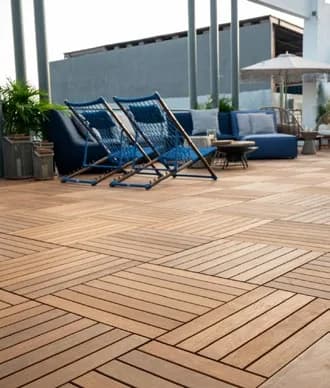
Understanding Ipe Deck Tiles in Cold Climates
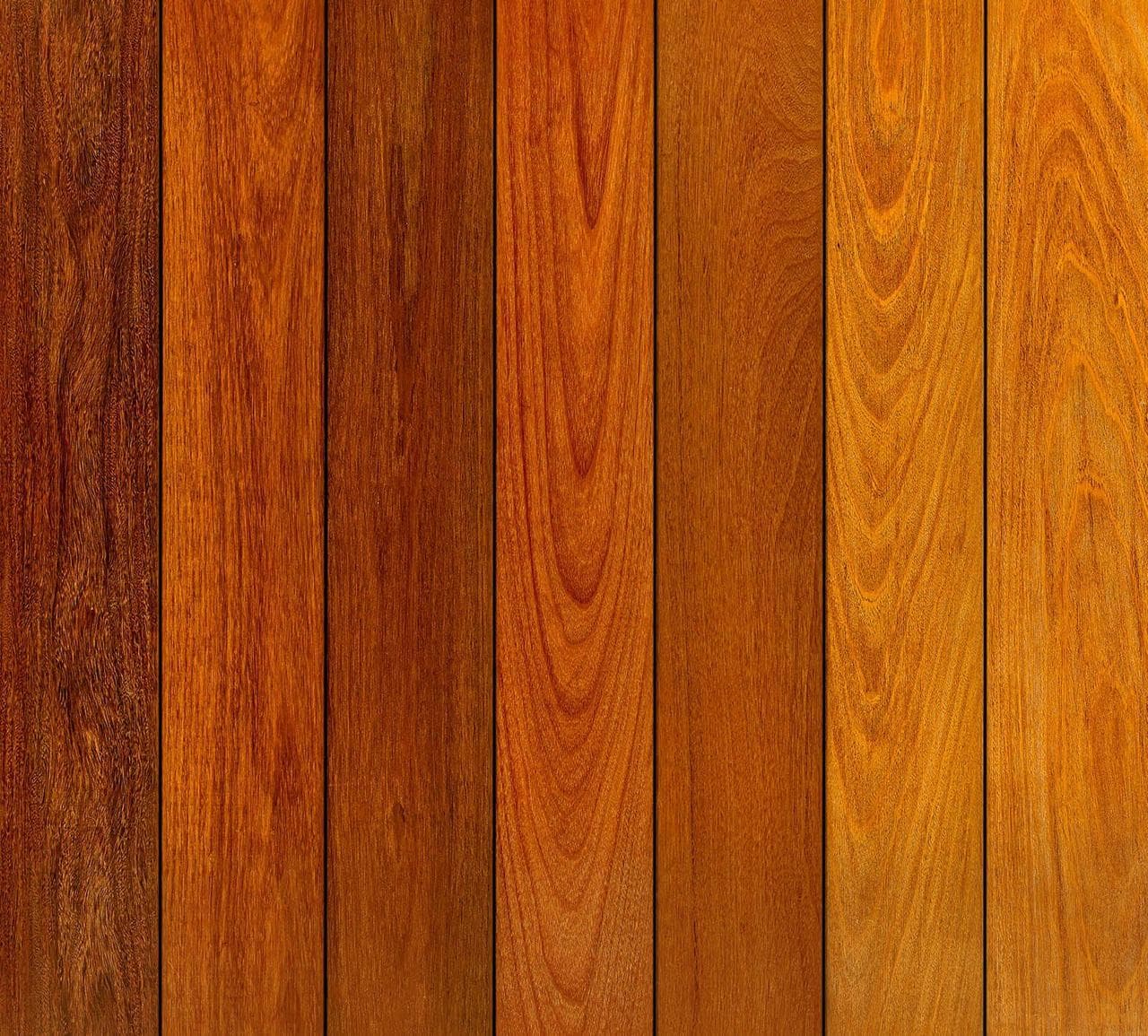
Ipe is a dense, tropical hardwood known for its deep chocolate tones and exceptional hardness. This inherent density contributes to its durability in various climates. However, even robust materials like Ipe benefit from thoughtful winter preparation and care.
While Ipe is resistant to many environmental factors, prolonged exposure to standing water, especially from melting snow and ice, can still impact its surface. Proper drainage and timely snow removal are more crucial in winter to prevent potential issues.
Pre-Winter Inspection and Cleaning
Before the first snowfall, perform a thorough inspection and cleaning of your Ipe deck tiles. Remove any accumulated leaves, dirt, or debris that could trap moisture against the wood surface. A broom or a leaf blower can be effective for dry debris.
For more stubborn dirt, a mild cleaning solution specifically designed for hardwood and water can be used. Ensure the tiles are completely dry before winter conditions set in. Check for any loose tiles or compromised support structures and address them proactively.
Snow and Ice Removal Methods
When snow accumulates on your Ipe deck tiles, prioritize prompt removal to prevent prolonged moisture exposure. Use a plastic shovel with a flat edge to avoid scratching the wood surface. Always shovel in the direction of the wood grain to minimize abrasion.
Avoid using metal shovels or sharp tools, which can easily damage the Ipe. For ice, consider using an ice melt product that is explicitly stated as safe for hardwood decking. Many common deicers contain salts that can be corrosive or leave residues that may be difficult to remove from wood. Always test any deicer on an inconspicuous area first.
Ensuring Proper Drainage
Effective drainage is critical year-round, but especially in winter. Melting snow and ice need a clear path to drain away from the deck tile surface and its supporting structure. Regularly check that drains, gutters, and downspouts near your deck are clear of leaves and debris.
If your Ipe deck tiles are installed on a pedestal system or over a permeable surface, confirm that the gaps between tiles remain clear to allow water to flow through. Blocked drainage can lead to water pooling, which can contribute to ice formation and potential surface discoloration.
Worked Example: Winterizing a 10x12 Foot Ipe Tile Terrace
Consider a 10-foot by 12-foot terrace covered with 24x24 inch Ipe deck tiles. This area totals 120 square feet. Since each 24x24 inch tile covers 4 square feet, you would have approximately 30 tiles (120 sq ft / 4 sq ft per tile).
Before winter: Sweep the entire 120 sq ft surface thoroughly to remove all leaves and dust. Inspect each of the 30 tiles for stability. Check the surrounding gutters and downspouts for blockages. If using a mild cleaner, apply it evenly, scrub gently, and rinse completely, ensuring the surface dries before temperatures drop.
During winter: If 6 inches of snow falls, use a plastic snow shovel to clear the snow, working in sections. For instance, clear one 2-foot wide path at a time across the 10-foot width. If ice forms, apply a hardwood-safe deicer sparingly to a small, hidden corner first. Once confirmed safe, apply to the iced areas and allow it to work before gently removing the loosened ice. Always ensure meltwater can drain freely.
Before you order
- Have I inspected all Ipe deck tiles for stability and potential damage?
- Is the deck surface thoroughly cleaned of debris before winter?
- Are all nearby drains and gutters clear to facilitate water runoff?
- Do I have a plastic shovel or appropriate snow removal tools?
- If using deicers, is the product confirmed safe for hardwood decking?
- Have I considered the impact of heavy snow loads on the underlying structure?
- Are there any areas where water consistently pools that need addressing?
Confirm installation details, approved uses and warranty terms in the current instructions for the exact product and profile. Your installer should verify the substrate, structure and applicable project requirements.
Questions to help you decide
Can I use rock salt or typical ice melt on Ipe deck tiles?
Most rock salt and typical ice melt products contain chemicals that can be corrosive to wood or leave stains. It is generally recommended to avoid these. If deicing is necessary, seek products specifically labeled as safe for hardwood decks and always test on an inconspicuous area first.
How do I prevent my Ipe deck tiles from becoming slippery in winter?
Regularly remove snow and ice to prevent slippery conditions. For persistent ice, a hardwood-safe deicer can help. Some homeowners also choose to apply anti-slip treatments designed for outdoor wood surfaces, but always verify compatibility with Ipe and test in a small area.
Will Ipe deck tiles warp or crack due to freezing and thawing cycles?
Ipe is a very dense and stable hardwood, making it resistant to warping and cracking from typical freeze-thaw cycles. However, prolonged standing water or ice trapped between tiles or beneath the surface can still cause issues over time. Ensuring good drainage is the best preventative measure.
Plan Your Ipe Deck Tile Project
Ready to enhance your outdoor space with Ipe deck tiles? Request a material quote today. Provide your project dimensions, desired tile profile (e.g., 12x12 or 24x24), and ZIP code for current availability and service options. Explore our full range of Ipe deck tiles and complementary products like Garapa and Cumaru deck tiles.
Request a material quote →