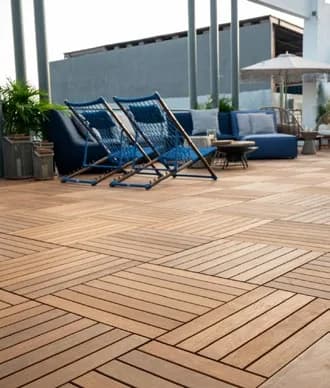
The Importance of Physical Samples
A small digital image can't fully convey the nuances of Ipe's color, grain, and texture. Lighting conditions, both natural and artificial, dramatically influence how wood appears. A sample allows you to see the material in the actual setting where it will be installed, whether that's a sun-drenched rooftop terrace or a partially shaded balcony.
Physical samples also provide a tactile experience. You can feel the smooth, dense surface of Ipe, which is part of its appeal. This helps you assess the material's suitability for bare feet, pet comfort, and the overall desired ambiance of your outdoor space.
Evaluating Color and Tone Under Different Lighting
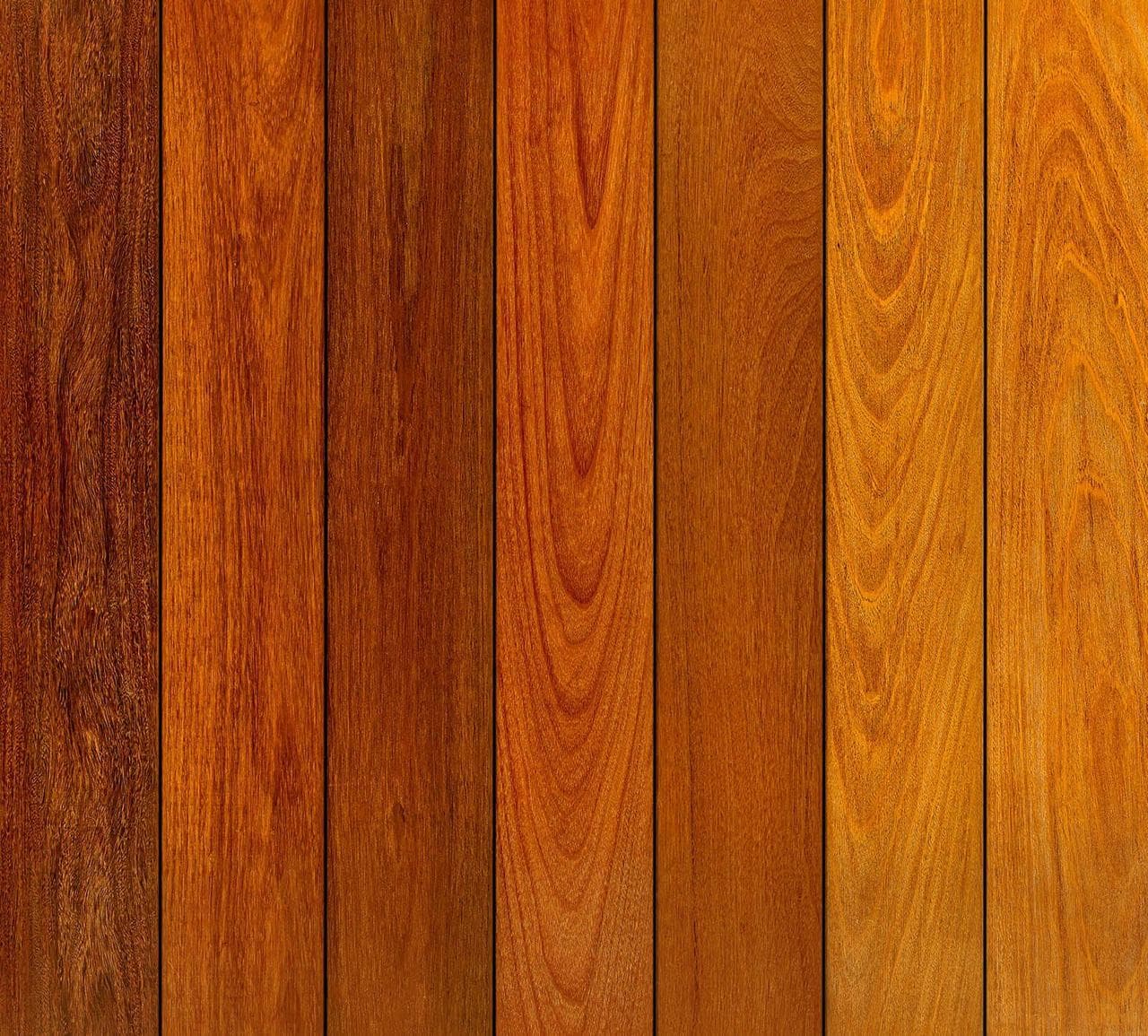
Ipe wood naturally features deep chocolate tones. However, the exact shade can vary slightly between batches and even within a single tile. When you receive your samples, observe them at different times of the day. Place them in areas that receive full sun, partial shade, and full shade. Note how the light interacts with the wood, making it appear lighter, darker, or highlighting certain reddish undertones.
For example, a sample that looks uniformly dark indoors might reveal subtle variations in grain and color when exposed to bright midday sun. Conversely, in a dimly lit area, the deep tones might appear even richer and more uniform. This exercise helps you anticipate the visual dynamics of your finished surface throughout the day and in varying weather conditions.
Assessing Texture and Finish
The surface finish of Ipe deck tiles can impact both aesthetics and function. While Ipe is exceptionally dense and naturally resistant to splintering, slight variations in milling or factory finishing can affect the final texture. Run your hand over the sample to feel for smoothness and consistency. Consider whether the texture will be comfortable for walking barefoot or if it will provide adequate grip in wet conditions.
If you plan to apply a finish or sealant, test it on a small, inconspicuous part of your sample first. This allows you to see how the finish alters the color and texture before committing to the entire project. Ensure the chosen finish is compatible with Ipe and suitable for outdoor use.
Coordinating with Adjacent Finishes and Materials
Your Ipe deck tiles will not exist in isolation. They will be adjacent to other elements like exterior walls, railings, planters, and furniture. Bring your Ipe samples into direct contact with these existing or planned materials. This helps you visualize the overall aesthetic harmony.
Consider how the deep chocolate tones of Ipe complement or contrast with painted walls, metal railings, or stone planters. For instance, if your building has light-colored stucco, the Ipe might provide a striking contrast. If you have dark-colored metal furniture, ensure the Ipe doesn't blend in too much, losing its distinct character. This step is critical for achieving a cohesive outdoor design.
Worked Example: Selecting Ipe for a Balcony Project
Imagine you are planning to install Ipe deck tiles on a 10-foot by 4-foot apartment balcony. You've requested samples of both 12" x 12" and 24" x 24" Ipe tiles. Your balcony faces west, receiving intense afternoon sun, but also has a shaded corner near the building wall.
First, place both tile samples in the sunniest part of the balcony. The 24" x 24" tile, with its larger surface, might show a more pronounced grain pattern under direct light, while the 12" x 12" tile might appear slightly more uniform due to its smaller size. Note any subtle reddish hues that become visible. Next, move the samples to the shaded corner. Here, both tiles will likely appear darker and richer, with less visible grain variation. This helps you decide if you prefer a more consistent look or one that highlights the natural variations.
Next, consider the railing. If your railing is a dark bronze, place the Ipe samples against it to see if the colors clash or complement each other. If you plan a light gray outdoor rug, place a corner of the rug sample next to the Ipe tile to ensure the combination is appealing. This iterative process, moving the samples around and observing them in context, helps refine your choice beyond initial impressions. For a 10x4 foot balcony, a 24" x 24" tile might mean fewer cuts and a more expansive feel, while the 12" x 12" could allow for more intricate patterns or better navigate smaller obstacles.
Before you order
- Obtain physical Ipe deck tile samples in the exact profiles and sizes you are considering (e.g., 12" x 12", 24" x 24").
- Observe samples at different times of day (morning, noon, afternoon) to assess color shifts under varying natural light.
- Place samples in different lighting conditions on your project site (full sun, partial shade, full shade).
- Feel the texture of the samples to ensure it meets your comfort and functional expectations.
- Position samples next to existing or planned adjacent materials (e.g., wall finishes, railings, furniture, planters).
- Consider how the chosen tile size impacts the visual scale and number of seams for your project dimensions.
- Review product labels on samples to confirm species (Ipe) and dimensions.
- If applying a finish, test it on a small part of a sample first to see the resulting color and texture.
Confirm installation details, approved uses and warranty terms in the current instructions for the exact product and profile. Your installer should verify the substrate, structure and applicable project requirements.
Questions to help you decide
How many samples should I request?
Request at least two to three samples of each Ipe deck tile profile or size you are considering. This allows you to compare variations and place them in different areas of your project simultaneously for a comprehensive evaluation.
Can Ipe deck tile color change over time?
Yes, like many natural hardwoods, Ipe will naturally weather and lighten to a silvery-gray patina if left untreated. Applying a UV-inhibiting oil finish can help maintain its original deep chocolate tones, though some color change is still possible depending on exposure and maintenance.
What are the standard sizes for Ipe deck tiles?
Ipe deck tiles are commonly available in two standard square formats: 12" x 12" (covering 1 square foot per tile) and 24" x 24" (covering 4 square feet per tile). The choice often depends on the project size and desired visual effect, with smaller tiles offering more detail and larger tiles providing a more expansive look.
Ready to Plan Your Ipe Deck Tile Project?
Request a material quote with your project dimensions, desired Ipe deck tile profile, and ZIP code. Confirm current availability and service options with Lumber Plus to begin your outdoor transformation. Visit our product page for more details on Ipe deck tiles and explore related options like Garapa and Cumaru deck tiles.
Request a material quote →