The Natural Aging Process of Ipe
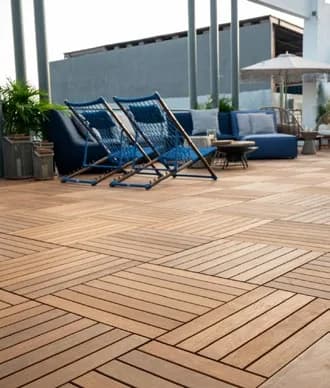
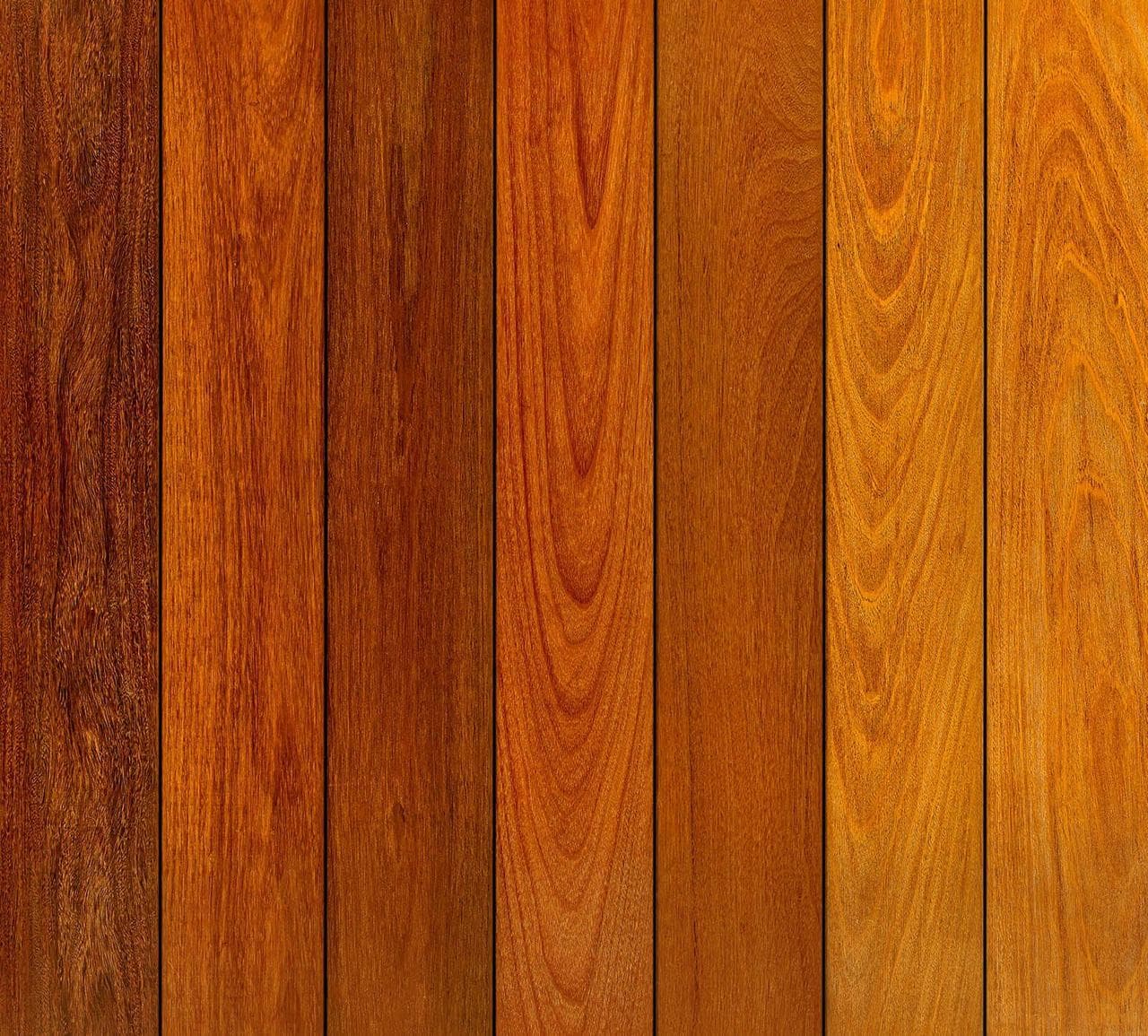
Ipe wood is celebrated for its rich, deep chocolate tones when new. However, if left untreated and exposed to the elements, Ipe deck tiles will gradually transition to a silvery-gray patina over time. This natural aging is a characteristic of many hardwoods and does not typically compromise the material's structural integrity. Some owners prefer this weathered look, as it can blend harmoniously with certain architectural styles and landscapes.
Deciding whether to embrace the silver patina or maintain the original wood color is the first step in planning your Ipe deck tile maintenance. This choice will dictate the type and frequency of care required.
Maintaining Ipe's Original Color
To preserve the deep brown hues of new Ipe deck tiles, periodic application of a UV-inhibiting oil finish is necessary. This finish helps protect the wood from the sun's rays, which cause the graying effect. The frequency of reapplication depends on several factors, including the local climate, the amount of sun exposure the tiles receive, and the specific product used.
Typically, an annual or bi-annual reapplication of an appropriate oil finish is recommended for maintaining the original color. This process usually involves cleaning the tiles thoroughly, allowing them to dry, and then applying a thin, even coat of the finish. Consistent application helps prevent fading and keeps the wood looking vibrant.
Routine Cleaning for Ipe Deck Tiles
Regardless of whether you choose to maintain the original color or allow a silver patina, regular cleaning is essential for all Ipe deck tiles. This helps remove dirt, leaves, pollen, and other debris that can accumulate and potentially lead to mildew or staining. A simple cleaning routine can extend the life and appearance of your deck.
Sweeping or blowing off loose debris regularly is a good starting point. For a deeper clean, use a broom or brush with mild soap and water. Avoid harsh chemicals or pressure washers, as these can damage the wood fibers or strip away natural oils. Rinse the tiles thoroughly with clean water after scrubbing to remove any soap residue. Ensure proper drainage to prevent standing water.
Repairing and Replacing Damaged Tiles
While Ipe is a durable material, individual deck tiles can occasionally become damaged due to heavy impacts, prolonged exposure to moisture, or other unforeseen circumstances. Having a plan for repair or replacement is a practical aspect of ownership.
For minor issues, specific wood repair kits or sanding may be suitable. For more significant damage, individual Ipe deck tiles are designed to be replaceable. It is advisable to keep a few spare tiles from your initial order. This ensures color consistency and simplifies future repairs. Replacing a tile involves carefully removing the damaged unit and installing a new one, often requiring access to the fastening system beneath.
Maintenance Considerations for Winter and Coastal Climates
In regions with distinct winter seasons, Ipe deck tiles may require specific care. While Ipe is dense, clearing snow and ice promptly can prevent prolonged moisture exposure and potential surface issues. Avoid using metal shovels or harsh de-icing chemicals that could scratch or stain the wood. Instead, opt for plastic shovels or brooms.
For coastal projects, the salt air and increased humidity can accelerate the weathering process. More frequent cleaning may be necessary to remove salt deposits, and if maintaining the original color, closer attention to the reapplication schedule of UV-inhibiting oil is recommended. Ensure that any fasteners used in coastal environments are suitable for marine conditions to resist corrosion.
Hypothetical Maintenance Plan: A 24 x 24 Ipe Deck Tile Terrace
Consider a 10-foot by 12-foot rooftop terrace covered with 24 x 24 inch Ipe deck tiles, receiving full sun exposure. The homeowner wants to maintain the deep chocolate color.
**Initial Setup:** After installation, a UV-inhibiting oil finish is applied to all 60 tiles (10 ft x 12 ft = 120 sq ft; 24" x 24" = 4 sq ft/tile; 120/4 = 30 tiles, plus a 100% waste factor for cuts and future repairs, bringing the total to 60 tiles). This sets the baseline for color preservation.
**Quarterly (Every 3 Months):** Sweep or blow off leaves, dust, and light debris. Visually inspect for any accumulated dirt or signs of mildew, especially in corners or shaded areas.
**Bi-Annually (Spring and Fall):** Perform a thorough cleaning using a soft-bristle brush, mild soap, and water. Rinse completely. This addresses seasonal build-up and prepares the surface for inspection.
**Annually (Late Spring/Early Summer):** After the bi-annual cleaning and once the tiles are completely dry, reapply the UV-inhibiting oil finish. Pay close attention to areas with heavy foot traffic or intense sun exposure, as these may show signs of fading sooner. This consistent application helps lock in the color and protect the wood.
**As Needed:** Address spills immediately. If any tile shows significant damage or an unremovable stain, refer to the replacement plan using the spare tiles purchased during the initial project. This plan ensures the terrace retains its desired aesthetic and functionality over time.
Before you order
- Do you prefer the deep chocolate tones of new Ipe, or are you comfortable with a silvery-gray patina?
- How much time are you willing to dedicate to annual or bi-annual oiling to maintain the original color?
- What is your local climate like, and how will it impact the weathering process and cleaning frequency?
- Do you have a plan for routine cleaning to remove dirt, debris, and potential mildew?
- Will you purchase extra Ipe deck tiles for future repairs or replacements?
- Are you prepared to use mild cleaning agents and avoid harsh chemicals or pressure washers?
- If in a winter climate, how will you clear snow and ice without damaging the tiles?
- If in a coastal climate, are you prepared for potentially more frequent cleaning and finish reapplication?
Confirm installation details, approved uses and warranty terms in the current instructions for the exact product and profile. Your installer should verify the substrate, structure and applicable project requirements.
Questions to help you decide
Do Ipe deck tiles require sealing?
Ipe deck tiles do not require sealing for structural integrity or rot resistance. However, if you wish to maintain their original deep chocolate color, applying a UV-inhibiting oil finish is recommended periodically. If left untreated, Ipe will naturally weather to a silvery-gray patina.
How often should I clean my Ipe deck tiles?
Routine cleaning for Ipe deck tiles should be done regularly by sweeping or blowing off debris. A more thorough cleaning with mild soap and water is recommended bi-annually or quarterly, especially after heavy pollen seasons or before applying any oil finishes. The frequency may increase in high-traffic or coastal areas.
Can I use a pressure washer on Ipe deck tiles?
It is generally not recommended to use a high-pressure washer on Ipe deck tiles. While Ipe is a dense hardwood, excessive pressure can damage the wood fibers, create an uneven surface, or strip away natural oils. A soft-bristle brush with mild soap and water is a safer and more effective cleaning method.
Request a Quote for Ipe Deck Tiles
Ready to plan your Ipe deck tile project? Request a material quote today. Provide your project dimensions, desired tile profile (e.g., 12x12 or 24x24), and your ZIP code to confirm current availability and service options. Our team can assist you in selecting the right quantities and understanding the specific care requirements for your installation. Explore our range of Ipe deck tiles, Garapa deck tiles, and Cumaru deck tiles to find the perfect fit for your outdoor space.
Request a material quote →