Understanding Ipe Deck Tiles
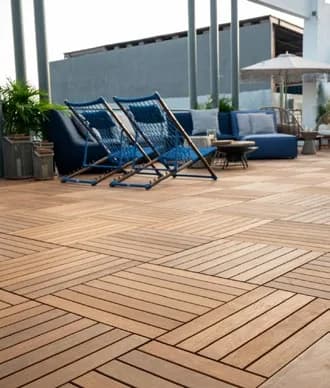
Ipe deck tiles offer a durable and visually appealing option for outdoor surfaces. Known for its deep chocolate tones, Ipe is a tropical hardwood often selected for its inherent characteristics. The tiles are typically available in common square formats, such as 12 x 12 inches and 24 x 24 inches. The 12 x 12-inch tile covers approximately 1 square foot, while the 24 x 24-inch tile covers about 4 square feet. These modular sizes facilitate various layout patterns and can be suitable for different project scales, from small balconies to larger terraces.
When considering Ipe, it's important to recognize that while the initial material cost is a significant factor, the long-term value often comes from its appearance. The specific profile and thickness of the tiles can vary, impacting both the aesthetic and the overall project requirements. Always confirm the exact dimensions and characteristics of the Ipe deck tiles you intend to use.
Calculating Material Quantities for Deck Tiles
The first step in budgeting is accurately determining the number of Ipe deck tiles required. This involves measuring your project area and accounting for cuts and waste. For a straightforward rectangular space, multiply the length by the width to get the total square footage. Then, divide this by the area covered by a single tile. Remember, this calculation gives you the area-equivalent coverage, not necessarily the exact purchase quantity.
Consider a 10-foot by 12-foot (120 square feet) terrace. If you choose 24 x 24-inch (4 square feet per tile) Ipe deck tiles, the area calculation suggests 30 tiles (120 / 4 = 30). However, most projects will require some tiles to be cut to fit edges or obstacles. It is generally prudent to add an overage, typically 5-10%, to account for these cuts and potential future replacements. For our example, an additional 10% would mean purchasing 33 tiles. If using 12 x 12-inch tiles (1 square foot per tile), you would estimate 120 tiles plus overage.
Accessories and Underlayment Systems
Beyond the tiles themselves, a complete Ipe deck tile project often requires several accessories. These can include:
Connectors or Fasteners: Many deck tile systems use specialized connectors that link tiles together and maintain consistent spacing. The type and quantity will depend on the specific tile system chosen. Some tiles may require screws or clips for attachment to a substructure.
Pedestal Systems: For rooftop terraces or areas requiring elevation and drainage, adjustable pedestal systems are common. These provide a level surface and allow for water runoff underneath. The number of pedestals needed depends on the tile size and the manufacturer's recommendations for support points per tile.
Edge Treatments and Trim: Finishing the perimeter of your tiled area often involves edge pieces, fascia boards, or transition strips. These provide a clean look and can address height differences with adjacent surfaces.
Geotextile Fabric or Underlayment: If installing over an existing patio or concrete slab, a geotextile fabric might be recommended to prevent weed growth or to provide a separation layer. Always check manufacturer guidelines for specific underlayment requirements.
This is a simplified estimate; always refer to the specific product's installation guide for precise accessory counts.
Labor and Installation Costs
Unless you plan a DIY installation, labor costs will be a significant part of your budget. These costs can vary widely based on your location, the complexity of the project, and the experience of the installer. Factors influencing labor costs include:
Surface Preparation: Does the existing surface need cleaning, leveling, or repair? Extensive prep work will add to labor hours.
Layout Complexity: A simple grid pattern is generally faster to install than intricate designs or projects with many cuts around obstacles.
Access: Rooftop installations or projects with difficult access points may incur higher labor charges.
Disposal: Removal and disposal of existing materials, if any, should be factored into the labor estimate.
When obtaining quotes from contractors, ensure they provide a detailed breakdown of labor, materials they will supply (like connectors or pedestals), and any additional services like surface preparation or debris removal. Always get multiple bids to compare.
Contingency and Project Management
A well-planned budget always includes a contingency fund, typically 10-15% of the total estimated cost. This buffer is for unexpected expenses that can arise during any project, such as discovery of an uneven sub-surface, a need for additional specialized tools, or accidental damage to materials.
Project management, whether by you or a hired professional, also requires consideration. This includes time spent on research, sourcing materials, coordinating contractors, and overseeing the installation. While not always a direct line item, the value of this time and effort is part of the overall project investment.
Before you order
- Measure your project area accurately (length x width).
- Choose your preferred Ipe deck tile size (12x12 or 24x24).
- Calculate base tile quantity and add 5-10% overage.
- Identify necessary accessories: connectors, pedestals, edge trim.
- Estimate quantities for each accessory based on tile count and manufacturer guidelines.
- Determine if professional installation is required and obtain labor quotes.
- Factor in surface preparation costs (cleaning, leveling, repairs).
- Include a contingency fund (10-15% of total estimate).
- Consider costs for delivery, staging, and debris removal.
Confirm installation details, approved uses and warranty terms in the current instructions for the exact product and profile. Your installer should verify the substrate, structure and applicable project requirements.
Questions to help you decide
What is the typical lifespan of Ipe deck tiles?
While Ipe is a durable hardwood, the lifespan of deck tiles depends on several factors including climate, exposure to elements, maintenance, and the quality of installation. Regular cleaning and appropriate finishing can contribute to their longevity.
Can I install Ipe deck tiles myself?
DIY installation is possible for some Ipe deck tile systems, especially those with simple interlocking connectors over a prepared, level surface. However, projects involving pedestal systems, complex layouts, or significant cutting may benefit from professional installation. Always review the manufacturer's installation instructions thoroughly before deciding.
How do I maintain Ipe deck tiles to preserve their color?
Ipe naturally silvers over time if left untreated. To maintain its deep chocolate tones, regular application of a UV-inhibiting oil finish is typically recommended. Cleaning with a mild detergent and water, and ensuring proper drainage, also contributes to the tiles' appearance and condition. Always follow specific product care instructions for the finish you choose.
Plan Your Ipe Deck Tile Project
Ready to bring your Ipe deck tile project to life? Request a material quote with your project dimensions, desired tile profile, and ZIP code to confirm current availability and service options. Explore our full range of Ipe deck tiles and complementary products like Garapa deck tiles and Cumaru deck tiles to find the perfect fit for your outdoor space.
Request a material quote →