Understanding the 'Uneven' Substrate
Before considering installation, it's crucial to define what 'uneven' means for a deck tile project. Minor variations, such as slight dips or humps (e.g., less than a quarter-inch over several feet), might be manageable with certain installation methods. However, significant slopes, large depressions, or areas with standing water indicate a need for more substantial remediation.
An uneven surface can lead to several problems: wobbly tiles, tripping hazards, poor drainage, and accelerated wear on the tiles themselves. It can also create an aesthetically unappealing finish. Ipe deck tiles are designed to create a uniform, flat surface, and this uniformity relies on the underlying substrate.
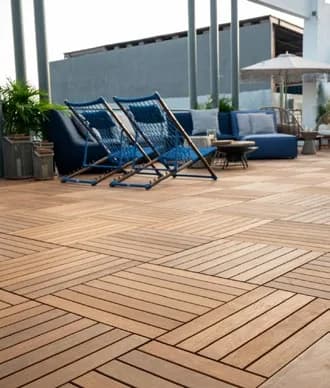
Ipe is known for its deep chocolate tones and exceptional hardness, making it a classic choice for outdoor spaces. These characteristics mean that while the material itself is durable, its performance in an assembly depends on proper support. Tiles are available in 12-inch by 12-inch and 24-inch by 24-inch dimensions, providing options for different scales of projects. Each 12-inch by 12-inch tile covers one square foot, while each 24-inch by 24-inch tile covers four square feet.
Assessing Your Surface for Ipe Deck Tiles
The first step is a thorough assessment of your existing surface. Use a long, straight edge (a 6-foot or 8-foot level works well) to check for high and low spots across the entire area. Walk across the surface, noting any areas where water pools after rain. Pay attention to transitions, such as thresholds and edges, where leveling issues might be more pronounced.
Document your findings. Sketch out the area and mark specific locations of unevenness, noting the approximate depth or height of the variations. This visual aid will be invaluable when deciding on the appropriate preparation method or discussing options with a contractor. Consider the type of substrate as well; concrete, gravel, or existing decking each present different challenges and solutions.
Minor Unevenness: Simple Solutions
For minor variations, some simple solutions might apply. If you are installing directly on a concrete slab with slight depressions, a self-leveling compound designed for outdoor use could be an option. These compounds can fill small inconsistencies and create a smoother base. However, this method requires careful application and drying time.
Another approach for very subtle unevenness, especially with interlocking deck tiles, might involve shims or leveling pads specifically designed for deck tile systems. These are typically thin, durable pieces placed directly under the tile connectors or support points to compensate for small height differences.
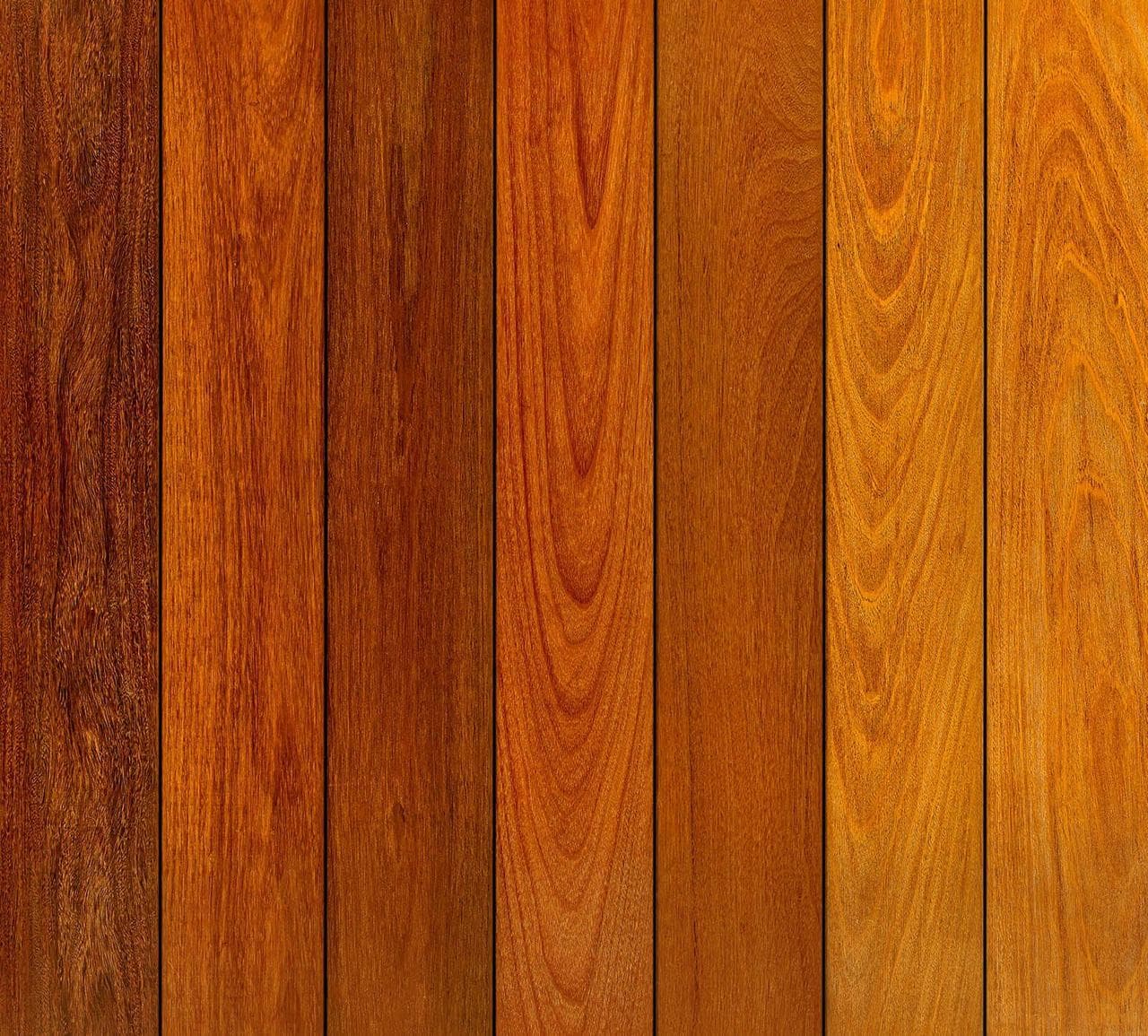
Remember that Ipe offers a rich reddish-brown grain, providing a strong aesthetic. Maintaining a flat surface ensures the visual appeal is consistent across the entire installation.
Significant Unevenness: When to Repair or Build a Substructure
If your surface has significant slopes, large depressions, or drainage issues, simple shims or self-leveling compounds may not be sufficient. In such cases, you might need to consider more substantial repairs to the underlying substrate or install a dedicated substructure.
For concrete surfaces, this could involve patching with concrete repair mixes, grinding down high spots, or even pouring a new leveling layer. For soil or gravel bases, proper grading and compaction are essential to create a stable and well-drained foundation. This often means removing existing material, adding new base layers, and ensuring a slight slope away from any structures for water runoff.
Alternatively, a pedestal system can be an effective solution for significantly uneven surfaces. Pedestals are adjustable supports that lift the deck tiles off the substrate, allowing for precise leveling over varying heights. This creates a cavity beneath the tiles, which can also improve drainage and ventilation.
Ipe, with its warm golden tones and exceptional hardness, is a premium choice. Protecting this investment means ensuring a stable foundation.
Worked Example: Leveling a Sloped Patio Section
Consider a hypothetical 10-foot by 12-foot concrete patio section that has a consistent 1-inch slope over its 12-foot length, dropping from one side to the other. Installing 24-inch by 24-inch Ipe deck tiles directly on this slope would result in a noticeable slant. To create a level surface, a pedestal system would be a suitable option.
The pedestals on the lower side of the slope would be adjusted to their maximum height, while those on the higher side would be at their minimum, gradually transitioning to create a perfectly level plane for the tiles.
This approach requires precise measurement and adjustment of each pedestal. The total number of 24x24-inch tiles needed for a 10x12-foot area is (10/2) * (12/2) = 5 * 6 = 30 tiles. Each tile covers 4 square feet, so 30 tiles cover 120 square feet.
Before you order
- Measure the existing surface for high and low spots using a long straight edge.
- Identify the type and magnitude of unevenness (minor variations vs. significant slopes/depressions).
- Assess drainage patterns and identify any areas of standing water.
- Consider the existing substrate (concrete, gravel, soil, existing deck).
- Determine if minor shimming, self-leveling compound, or a full pedestal system is required.
- Factor in the desired finished height of the deck tiles, especially near door thresholds.
- Consult with a professional if extensive repairs or a complex substructure are needed.
- Ensure any chosen solution is compatible with your specific Ipe deck tile product.
Confirm installation details, approved uses and warranty terms in the current instructions for the exact product and profile. Your installer should verify the substrate, structure and applicable project requirements.
Questions to help you decide
Can Ipe deck tiles hide existing cracks in a concrete patio?
Ipe deck tiles are a surface finish and do not structurally repair or conceal underlying cracks. While they will cover the cracks visually, significant cracks or structural damage in the concrete should be addressed and repaired before installing deck tiles to ensure a stable and long-lasting base.
Do I need a perfectly flat surface for Ipe deck tiles?
While a perfectly flat surface is ideal, minor variations can often be managed. However, significant unevenness can lead to wobbly tiles, drainage issues, and an unstable deck. The goal is a stable and uniformly supported surface, which may require preparation such as leveling compounds, shims, or a pedestal system for larger discrepancies.
What happens if I install Ipe deck tiles on a very uneven surface without preparation?
Installing Ipe deck tiles on a very uneven surface without proper preparation can lead to several problems: tiles may wobble or rock, creating tripping hazards; water can pool underneath, potentially leading to mildew or accelerated wear; and the overall aesthetic will be compromised with an uneven, wavy appearance. It can also void any potential product or installation warranties.
Ready to Plan Your Ipe Deck Tile Project?
Request a material quote with your project dimensions, exact profile, and ZIP code to confirm current availability and service options for Ipe deck tiles and related accessories.
Request a material quote →