Understanding Ipe Deck Tiles for Wet Environments
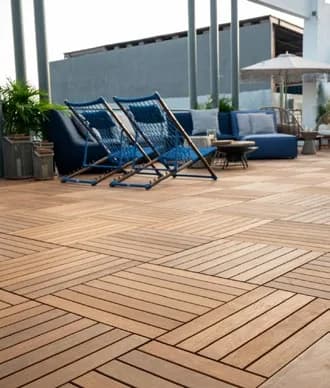
Ipe, a tropical hardwood, is recognized for its density and natural resistance to decay and insects. These properties make it a suitable material for outdoor applications, including areas exposed to moisture. When used as deck tiles, Ipe retains these characteristics, offering a durable surface for poolside use.
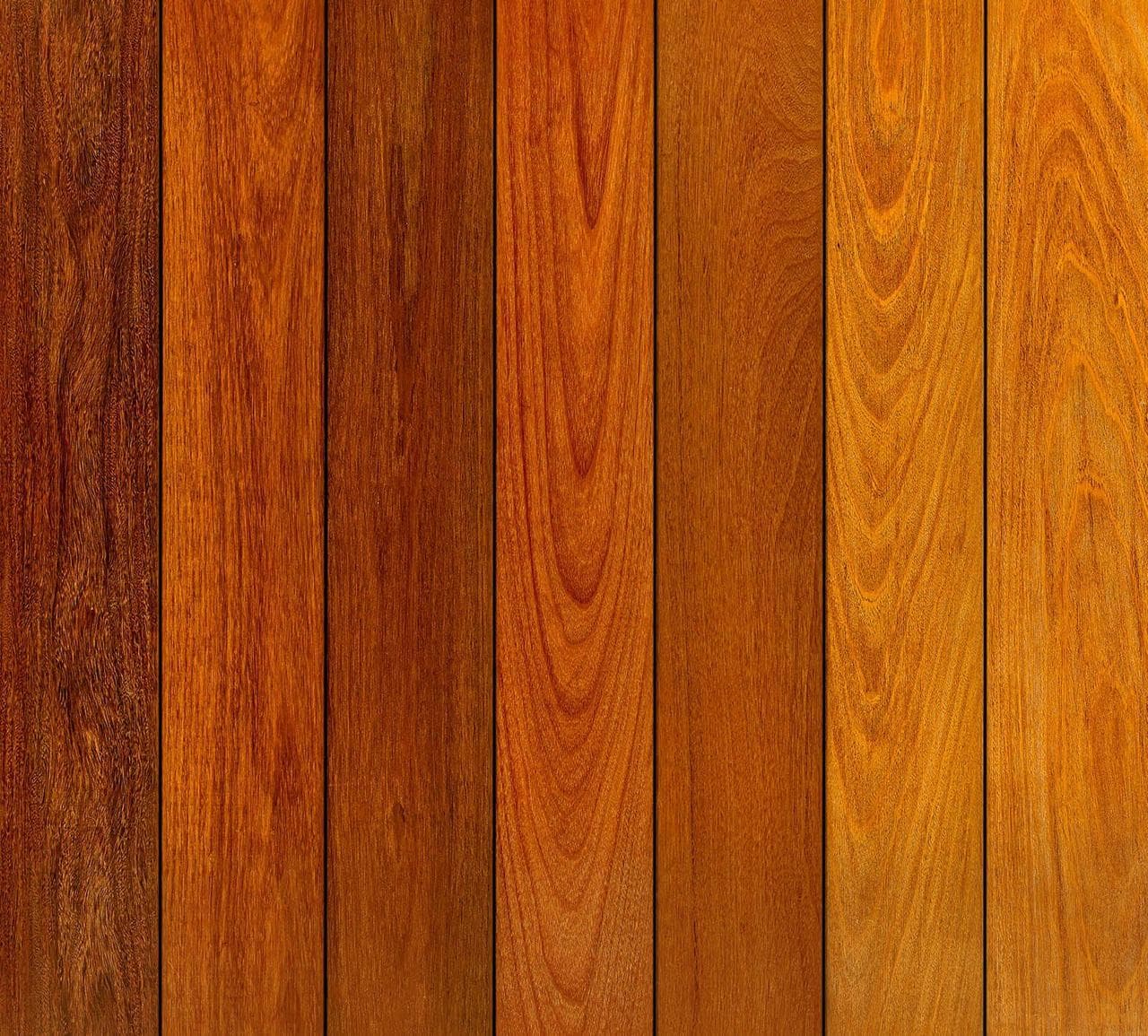
The deep chocolate tones of Ipe provide a sophisticated aesthetic that can complement various poolside designs, from contemporary to more traditional settings. However, like all natural wood products, Ipe will undergo a natural weathering process over time, potentially developing a silver-gray patina if left untreated. Regular maintenance can help preserve its original color.
Drainage and Substrate Requirements
Effective drainage is critical for any poolside surface to prevent water accumulation and ensure safety. Ipe deck tiles are typically installed with gaps between them, allowing water to drain through to the substrate below. This design is beneficial around a pool, as it helps prevent standing water on the walking surface.
The substrate beneath the deck tiles must be designed for proper water runoff. For poolside terraces, a concrete slab with a slight slope away from the pool is a common and effective foundation. This slope directs water to drains or permeable areas, preventing it from pooling under the tiles. Ensure the substrate is clean, level, and free of debris before installation to facilitate proper drainage and tile stability.
Selecting the Right Tile Size and Layout
Ipe deck tiles are available in various sizes, with common options including 12 x 12 inches and 24 x 24 inches. The choice of tile size can influence the visual scale of your poolside terrace and the complexity of the installation.
A 12 x 12 inch tile is a compact square format that can be suitable for smaller areas or layouts that require more cuts and transitions, such as around curved pool edges or intricate landscape features. For larger, more open surfaces, the 24 x 24 inch tile offers a larger square format, potentially resulting in fewer visible seams and a more expansive feel.
Consider the overall dimensions of your poolside area and how the chosen tile size will interact with the pool's edge, coping, and any adjacent structures. Planning the layout in advance can help minimize waste and ensure a cohesive appearance.
Finishing Edges and Transitions
The edges of a poolside terrace are often exposed and require careful consideration for both aesthetics and safety. For Ipe deck tiles, you may choose to use matching Ipe fascia boards or trim pieces to create a finished look that conceals the tile's support structure. This is particularly important where the terrace meets the pool coping or other landscaping elements.
Transitions between the deck tiles and other surfaces, such as grass, pavers, or concrete, should be smooth and clearly defined. Consider using a border material or a slight elevation change to delineate these zones, ensuring a safe and visually appealing transition for bare feet.
Hypothetical Project Example: 10 ft x 20 ft Poolside Terrace
Let's consider a hypothetical poolside terrace measuring 10 feet by 20 feet. This area equals 200 square feet. For this example, we will use 24 x 24 inch Ipe deck tiles, where each tile covers 4 square feet. To calculate the number of tiles needed, divide the total area by the area per tile: 200 sq ft / 4 sq ft/tile = 50 tiles.
However, this calculation assumes perfect cuts and no waste. In a practical installation, especially with edge cuts, it is prudent to factor in a waste allowance, typically 5-10%. For a 200 sq ft area, adding 10% for waste would mean purchasing 55 tiles. This ensures you have enough material for cuts around the pool coping, any obstacles, and for potential future replacements. Always measure your specific project dimensions accurately and plan your layout to optimize material use.
When planning the layout, consider how the 24-inch modules will align with the 10-foot and 20-foot dimensions. For the 10-foot width (120 inches), you would need 5 full tiles (5 x 24 inches = 120 inches). For the 20-foot length (240 inches), you would need 10 full tiles (10 x 24 inches = 240 inches). This ideal scenario means no cuts are needed along the main dimensions if the boundaries are perfectly aligned. However, real-world conditions, like irregular pool shapes or existing structures, will almost certainly require cuts.
Before you order
- Confirm the existing substrate's condition and slope for drainage.
- Measure the total area and any irregular sections of the poolside terrace.
- Decide on the Ipe deck tile size (12x12 or 24x24) based on area and desired aesthetic.
- Plan the tile layout, accounting for cuts around the pool edge and other features.
- Select appropriate edge finishing materials, such as fascia boards or trim.
- Consider transitions to adjacent surfaces and how they will be managed.
- Estimate material quantities, including a waste factor for cuts.
- Review maintenance requirements for Ipe in a wet, exposed environment.
Confirm installation details, approved uses and warranty terms in the current instructions for the exact product and profile. Your installer should verify the substrate, structure and applicable project requirements.
Questions to help you decide
Are Ipe deck tiles slippery when wet?
While Ipe is a dense hardwood, any smooth surface can become less secure when wet. The gaps between Ipe deck tiles allow for drainage, which can help prevent standing water. However, exercise caution on any wet surface, especially around a pool.
How do I maintain Ipe deck tiles around a pool?
Regular cleaning to remove debris, leaves, and any pool chemical residue is recommended. Ipe will naturally weather to a silver-gray patina over time. If you wish to maintain the original deep chocolate tones, periodic application of a suitable UV-inhibiting finish can help. Consult the specific product documentation for recommended maintenance procedures.
Can I install Ipe deck tiles directly on an existing concrete patio?
Yes, Ipe deck tiles can often be installed over an existing concrete patio, provided the patio is structurally sound, level, and has adequate drainage. It is crucial to ensure the concrete slopes away from the pool and any structures to prevent water from accumulating underneath the tiles. A proper substructure or pedestal system is usually required to ensure stability and drainage.
Plan Your Poolside Terrace with Ipe Deck Tiles
Ready to transform your poolside area? Request a material quote for Ipe deck tiles by providing your project dimensions, desired tile profile, and ZIP code. We can also confirm current availability and service options for your location. Explore our related products like Garapa deck tiles and Cumaru deck tiles for alternative tropical hardwood options, or view our full range of deck tiles for other choices.
Request a material quote →