Understanding Ipe Deck Tiles
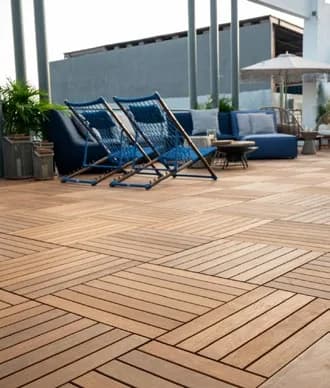
Ipe deck tiles, known for their deep chocolate tones, offer a durable and visually appealing surface for outdoor areas. They are made from Ipe, a tropical hardwood recognized for its hardness. These tiles are available in common dimensions like 12x12 inches (1 square foot per tile) and 24x24 inches (4 square feet per tile). The choice of tile size can influence the visual scale of your terrace and the number of seams.
When planning for planters, remember that Ipe deck tiles are a finish surface. They are installed over an existing sub-structure, which is what ultimately supports the weight of your planters. Understanding the properties of Ipe helps in making informed decisions about placement and maintenance around areas with potential moisture.
Assessing Structural Capacity for Planters
The primary concern when adding planters, especially large ones, to an Ipe deck tile terrace is the underlying structure's ability to support the weight. A planter filled with wet soil can be significantly heavier than it appears. Before purchasing any large planters, it is important to confirm the load-bearing capacity of your deck, balcony, or rooftop terrace with a qualified professional or the building's management.
Distribute weight evenly where possible. Avoid concentrating multiple heavy planters in a single small area.
Managing Drainage and Water Runoff
Planters require drainage holes to prevent root rot, meaning water will exit the bottom. This runoff can carry soil particles, minerals, and fertilizer, potentially staining or leaving residue on your Ipe deck tiles. To mitigate this, consider several strategies.
One option is to use planter saucers or trays beneath pots. Choose saucers that are large enough to catch all runoff and are made of a durable, non-staining material. Regularly empty these saucers to prevent water from sitting directly on the Ipe tiles. Another approach is to elevate planters on small risers or feet, allowing air circulation and preventing direct contact between the wet pot bottom and the tile surface. This also helps water evaporate more quickly and reduces the chance of moisture buildup.
Selecting Planter Materials and Placement
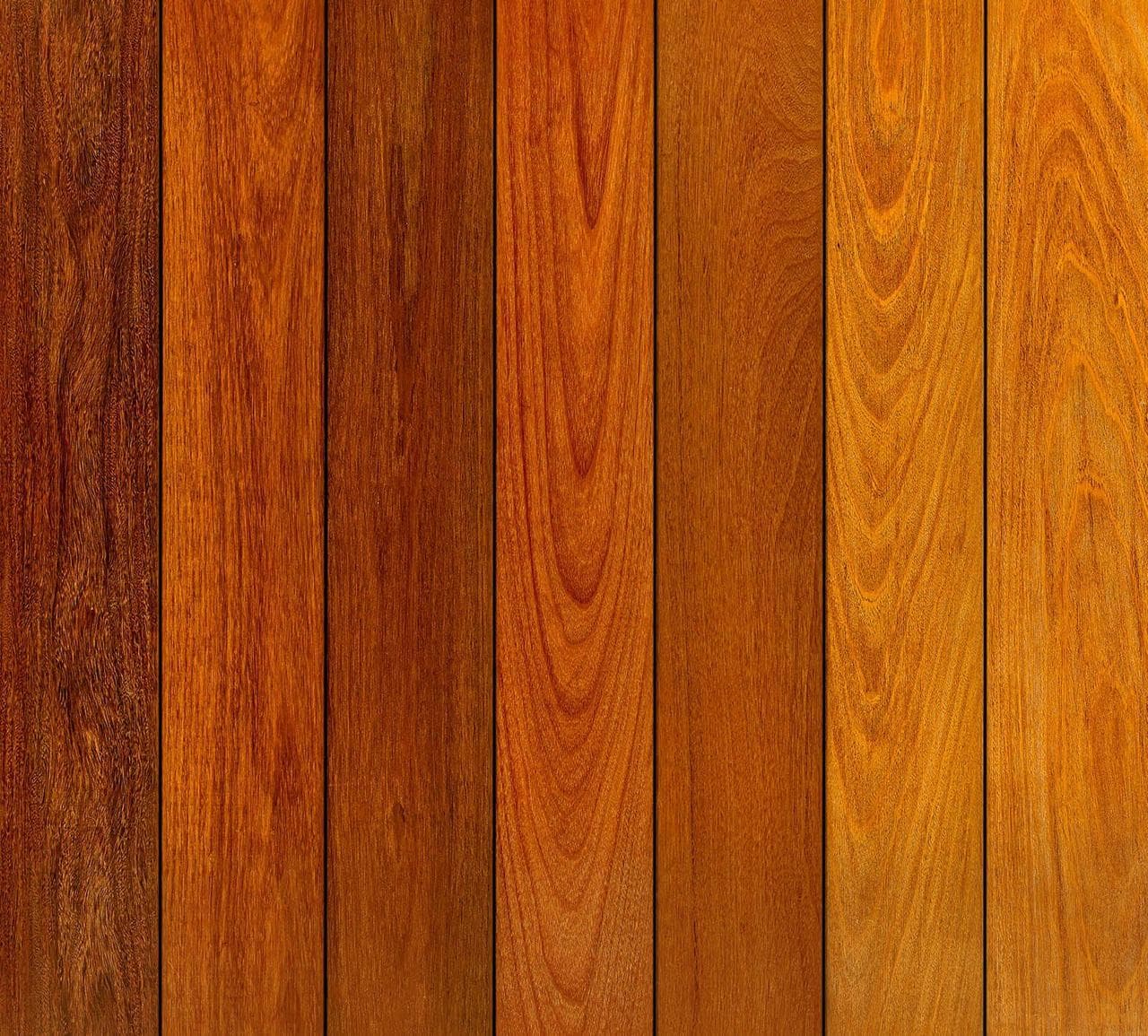
The material of your planters can impact your deck tiles. Some materials, like unglazed terracotta, can absorb water and potentially leach minerals, leading to stains. Choose planters made from materials like glazed ceramic, fiberglass, metal, or treated wood, which are less likely to cause discoloration.
When deciding on placement, think about access for watering, pruning, and general maintenance. Avoid placing planters in areas that obstruct pathways or access to drains, service panels, or areas that require frequent cleaning. If you anticipate needing to move planters for cleaning or seasonal changes, consider planters with integrated wheels or place them on wheeled caddies. This prevents dragging heavy objects across your Ipe tiles, which could cause scratches.
Worked Example: Planter Placement on a 10x6-foot Ipe Deck Tile Balcony
Let's consider our 10-foot by 6-foot balcony (60 square feet) surfaced with 24x24 inch Ipe deck tiles. Each tile covers 4 square feet. For this area, you would need 15 tiles (60 sq ft / 4 sq ft per tile).
You want to place a large rectangular planter (36 inches long, 18 inches wide, 24 inches tall) for herbs and a smaller square pot (12 inches by 12 inches) for a shrub.
1. **Large Planter:** A 36-inch (3-foot) by 18-inch (1.5-foot) planter will cover approximately 4.5 square feet. To manage drainage, use a custom-fit, heavy-duty plastic liner inside the planter to prevent soil contact with the planter material, and ensure ample drainage holes are present. Place the entire planter on a wheeled caddy made of powder-coated steel to allow for easy repositioning and to lift it off the Ipe tiles, facilitating cleaning underneath and preventing prolonged moisture contact.
2. **Small Pot:** The 12x12 inch pot will fit perfectly on one 24x24 inch Ipe tile, covering a quarter of its surface. For this pot, place a clear, heavy-duty plastic saucer underneath, ensuring it's slightly larger than the pot's base to catch all runoff. Periodically check and empty the saucer. Consider placing small rubber feet or risers under the saucer to allow air circulation and prevent it from sticking to the Ipe surface.
This approach ensures weight distribution is considered, drainage is managed, and the tiles are protected from direct contact with wet soil and water, preserving the appearance of your Ipe deck tiles.
Before you order
- Confirm the load-bearing capacity of your deck's sub-structure for the weight of wet, soil-filled planters.
- Choose planter materials that will not stain or leach onto Ipe deck tiles (e.g., glazed ceramic, fiberglass, metal, treated wood).
- Select appropriate drainage solutions: saucers, risers, or wheeled caddies for all planters.
- Plan planter locations to ensure clear pathways and access to drains or service areas.
- Consider the visual scale: match planter sizes and arrangements to the overall dimensions of your terrace and Ipe tile size (12x12 vs. 24x24).
- Assess the need for mobility: will planters need to be moved for cleaning, maintenance, or seasonal changes?
- Review your irrigation method to prevent overwatering and excessive runoff.
Confirm installation details, approved uses and warranty terms in the current instructions for the exact product and profile. Your installer should verify the substrate, structure and applicable project requirements.
Questions to help you decide
Can I place very heavy planters directly on Ipe deck tiles?
While Ipe is a very dense and durable wood, the deck tiles themselves are a finished surface. The actual load-bearing capacity comes from the underlying sub-structure. Placing very heavy planters directly on tiles can concentrate weight in small areas. Always verify the structural capacity of your deck or balcony with a professional before adding significant weight. Using wheeled caddies or distributing weight over a larger area is often recommended.
How do I prevent water stains from planters on my Ipe deck tiles?
To prevent water stains, ensure all planters have adequate drainage and are elevated from the Ipe surface. Use saucers or trays that are regularly emptied. Placing small risers or feet under planters or saucers allows for air circulation and helps prevent water from sitting directly on the wood, which can lead to mineral buildup or discoloration. Periodically clean the area beneath planters.
What are the best types of planters for an Ipe deck tile terrace?
The best planters are those made from non-porous, non-staining materials such as glazed ceramic, fiberglass, metal, or high-quality treated wood. Avoid unglazed terracotta or concrete planters that can absorb and leach minerals onto your tiles. Consider planters with integrated feet or wheels for easier movement and better air circulation underneath.
Ready to Enhance Your Terrace with Ipe Deck Tiles?
Request a material quote for your project. Provide your project dimensions, desired Ipe deck tile profile (12x12 or 24x24), and ZIP code to confirm current availability and service options. Our team can help you plan the right quantity for your outdoor space.
Request a material quote →