Why Choose Ipe Deck Tiles for a Courtyard?
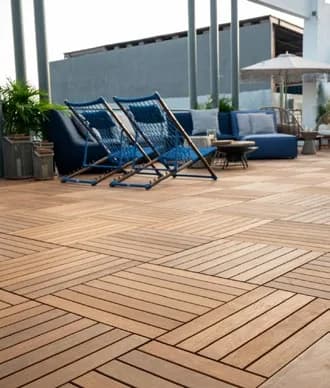
Ipe deck tiles are crafted from Ipe hardwood, known for its deep chocolate tones. This tropical hardwood is a choice for outdoor applications, offering a distinct appearance. The pre-assembled tile format simplifies installation compared to traditional deck boards, making it a suitable option for covering existing hard surfaces.
For a courtyard, Ipe deck tiles can create a defined area that feels distinct from surrounding paving or landscaping. The consistent module size of the tiles allows for patterned layouts or simply a uniform surface that unifies different seating or activity zones. Their appearance provides a warm, natural contrast to concrete, stone, or brick, enhancing the overall aesthetic of the space.
Lumber Plus offers Ipe deck tiles in two primary sizes: 12 x 12 inches and 24 x 24 inches. The 12 x 12 inch format is described as a compact square, suitable for smaller areas or layouts with more edges and transitions. The 24 x 24 inch format is a larger square, intended for more open surfaces with fewer tile seams. Both options provide a consistent look.
Consider the existing conditions of your courtyard, such as drainage, slope, and any existing fixed elements like planters or columns. These factors will influence the tile layout and installation method. Ipe's inherent qualities make it a practical choice for areas exposed to the elements, providing a surface that can withstand outdoor conditions.
Defining Zones in Your Courtyard
A courtyard often benefits from distinct zones for different activities. Ipe deck tiles can effectively delineate these areas. For example, you might create a dining zone, a lounging area, and a pathway connecting them. The uniform appearance of the Ipe tiles can tie these zones together, while subtle changes in furniture or planting can define their individual purposes.
For a large courtyard, using the 24 x 24 inch tiles might reduce the number of visible seams, creating a more expansive feel. In contrast, if your courtyard is smaller or has intricate shapes, the 12 x 12 inch tiles might offer more flexibility for cutting and fitting around obstacles. Planning these zones on paper first, with accurate measurements, is crucial for determining tile quantities and minimizing waste.
Consider how people will move through the space. Pathways should be clear and wide enough, while seating areas should feel comfortable and private. The consistent height of the deck tiles, once installed, provides a smooth transition between zones, enhancing accessibility and flow.
Worked Example: A 10' x 15' Courtyard Transformation
Let's consider a hypothetical courtyard measuring 10 feet by 15 feet. The goal is to create a dining area and a small lounge space, connected by a central path. We will use 24 x 24 inch Ipe deck tiles.
First, divide the courtyard into zones: a 10' x 8' dining area, a 10' x 5' lounge area, and a 10' x 2' path separating them. This layout is illustrative and assumes the path runs along one of the 10-foot dimensions, creating two distinct 10-foot wide zones.
For the dining area (10' x 8' = 80 sq ft): Each 24 x 24 inch tile covers 4 square feet. You would need 80 / 4 = 20 tiles for full coverage. Along the 10-foot side (120 inches), you would place 5 tiles (120 / 24 = 5). Along the 8-foot side (96 inches), you would place 4 tiles (96 / 24 = 4). This gives a precise fit of 5 x 4 = 20 tiles.
For the lounge area (10' x 5' = 50 sq ft): You would need 50 / 4 = 12.5 tiles. Along the 10-foot side, you would place 5 tiles. Along the 5-foot side (60 inches), you would place 2.5 tiles (60 / 24 = 2.5). This requires 5 x 3 = 15 tiles to ensure full coverage, with some cuts. The two half-width tiles can be cut from a single tile.
For the connecting path (10' x 2' = 20 sq ft): You would need 20 / 4 = 5 tiles. Along the 10-foot side, you would place 5 tiles. Along the 2-foot side, you would place 1 tile. This gives a precise fit of 5 x 1 = 5 tiles.
Total tiles for this hypothetical layout: 20 (dining) + 15 (lounge, accounting for cuts) + 5 (path) = 40 tiles. It is always prudent to add a small percentage (e.g., 5-10%) for cuts, mistakes, or future replacements. For this example, ordering 42-44 tiles would be a reasonable approach.
This example assumes a flat, level surface beneath the tiles and a simple rectangular layout. Real-world courtyards often have irregular shapes, existing drains, or slight slopes that require more intricate planning and cutting. Always measure your specific project dimensions carefully.
Installation Considerations Over Existing Surfaces
Ipe deck tiles can be installed over various existing hard surfaces, such as concrete, asphalt, or even old paved patios. The primary consideration is the condition of the underlying surface. It should be relatively flat, stable, and allow for proper drainage.
If your courtyard has an existing slope for drainage, the deck tiles may follow this slope. Ensure that water can still flow freely beneath the tiles and away from any structures. Avoid creating areas where water can pool, as this could impact the longevity of the tiles and the underlying surface.
For areas with significant irregularities or an uneven surface, a leveling system or a pedestal system might be necessary to create a flat deck surface. While deck tiles are generally straightforward to install, a well-prepared base is critical for a stable and lasting result. Consult product-specific instructions for recommended installation methods and compatible support systems.
Remember to account for any existing features like downspouts, access points, or garden beds when planning your tile layout. You may need to cut tiles to fit around these elements, which is easier with the smaller 12 x 12 inch format but achievable with the 24 x 24 inch tiles using appropriate tools.
Complementary Materials and Design Elements
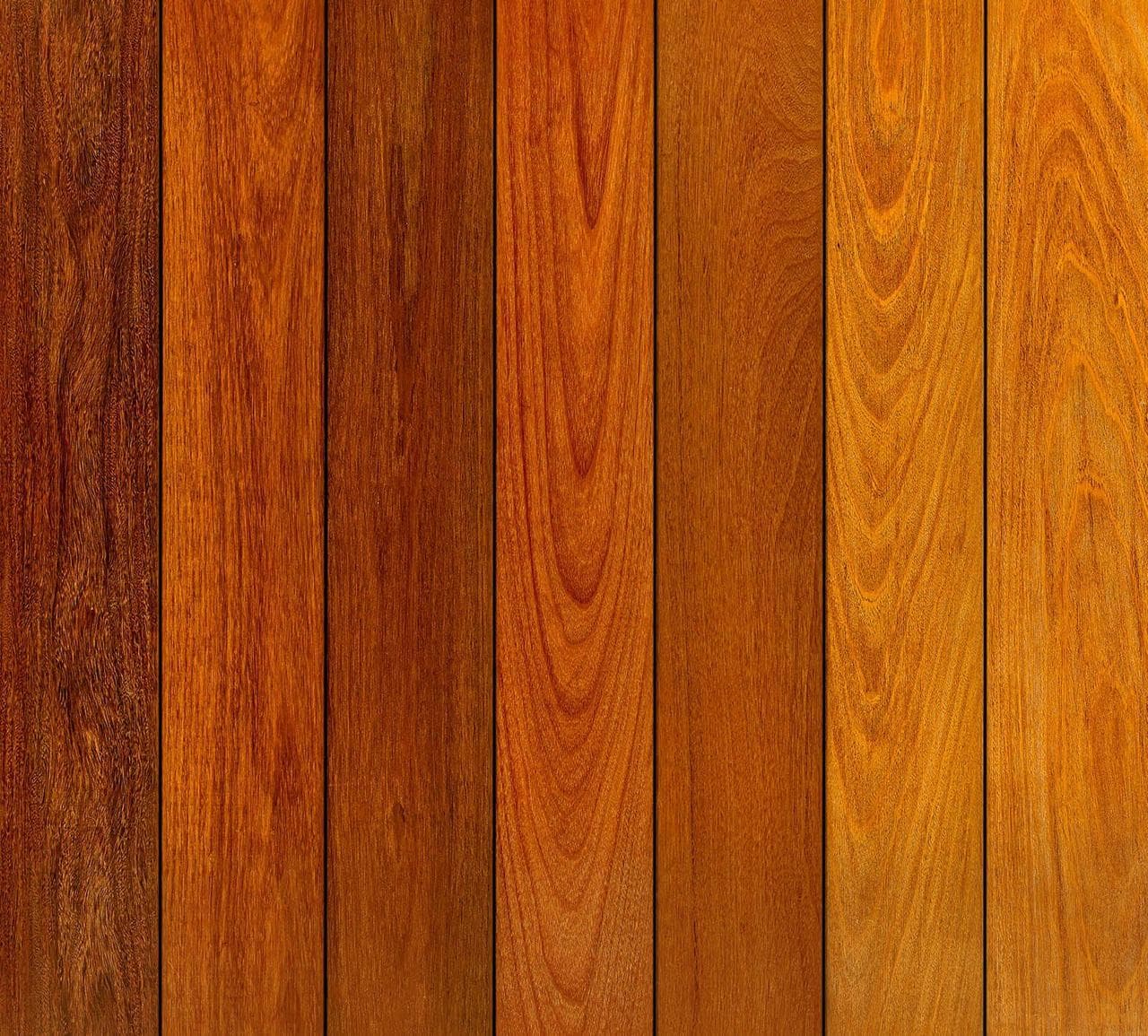
To complete your courtyard gathering area, consider how Ipe deck tiles can be paired with other materials. The rich, deep chocolate tones of Ipe can complement materials such as Garapa deck tiles or Cumaru deck tiles if you wish to introduce subtle variations in color or texture for specific zones.
Garapa deck tiles offer warm golden tones, which could be used to highlight a specific feature or create a contrasting border. Cumaru deck tiles provide a reddish-brown grain, offering another tropical hardwood option with a distinct character.
Beyond the decking itself, integrate elements like planters, outdoor lighting, and comfortable furniture to enhance the usability and ambiance of your courtyard. Large planters can help define zones further, while strategically placed lighting can extend the usability of the space into the evening. Choose furniture that complements the natural aesthetic of the Ipe, creating a harmonious and inviting outdoor room.
Before you order
- Measure your courtyard accurately, noting any irregular shapes or fixed obstacles.
- Sketch out desired activity zones (dining, lounge, path) and their dimensions.
- Determine the primary tile size (12x12 or 24x24) based on courtyard size and layout complexity.
- Calculate the number of tiles needed for each zone, adding extra for cuts and waste.
- Assess the condition of the existing surface for flatness, stability, and drainage.
- Consider if a leveling or pedestal system is required for an uneven sub-surface.
- Plan for integration with existing features like drains, downspouts, or garden beds.
- Select complementary materials and furniture to enhance the overall design.
- Review local guidelines or HOA rules if applicable for outdoor renovations.
Confirm installation details, approved uses and warranty terms in the current instructions for the exact product and profile. Your installer should verify the substrate, structure and applicable project requirements.
Questions to help you decide
Can I install Ipe deck tiles directly over grass or dirt?
Ipe deck tiles are designed to be installed over a stable, flat, and well-drained hard surface, such as concrete or an existing patio. Installing them directly over grass or dirt is not recommended, as this can lead to unevenness, moisture retention, and instability. A proper base preparation is essential for a lasting installation.
How do I cut Ipe deck tiles to fit around obstacles?
Ipe deck tiles can be cut using standard woodworking tools, such as a circular saw or miter saw, equipped with a blade suitable for hardwoods. It is important to measure carefully and mark your cuts precisely. Always wear appropriate safety gear, including eye protection, when cutting. The smaller 12x12 inch tiles may offer more flexibility for intricate cuts than the 24x24 inch tiles.
What maintenance do Ipe deck tiles require?
Ipe is a durable hardwood. To maintain its deep chocolate tones, regular cleaning and periodic application of a UV-inhibiting oil finish are recommended. If left untreated, Ipe will naturally weather to a silver-gray patina over time. Regular sweeping and occasional washing with a mild cleaner and water can help keep the surface clean. Always follow manufacturer guidelines for specific maintenance products and schedules.
Request a Quote for Your Courtyard Project
Ready to transform your courtyard with Ipe deck tiles? Contact us with your project dimensions, desired tile profile, and ZIP code to receive a material quote. We can also confirm current availability and service options for your area.
Request a material quote →