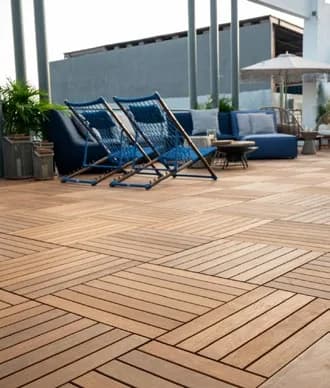
Confirming Your Project Dimensions and Layout
Before placing an order for Ipe deck tiles, a precise, measured drawing of your project area is essential. This drawing should include all perimeter dimensions, as well as the locations of any fixed obstacles such as columns, drains, or existing structures. Work with your contractor to verify these measurements on-site.
Consider the chosen layout pattern. Straight layouts are often simpler for material calculation, while alternating or zoned patterns may require more careful planning for cuts and transitions. Confirm the desired orientation of the deck tiles and how they will meet any adjacent surfaces or thresholds. This detail impacts not only aesthetics but also the required quantity of full tiles and any necessary edge finishing.
Selecting Ipe Deck Tile Profiles and Sizes
Ipe deck tiles are available in different sizes, typically 12 x 12 inches (1 square foot per tile) and 24 x 24 inches (4 square feet per tile). The choice of size affects the visual scale of your finished surface and the number of seams. A 12 x 12 inch tile offers a compact format suitable for smaller areas or layouts with more edges, while a 24 x 24 inch tile provides a larger format for open surfaces with fewer seams.
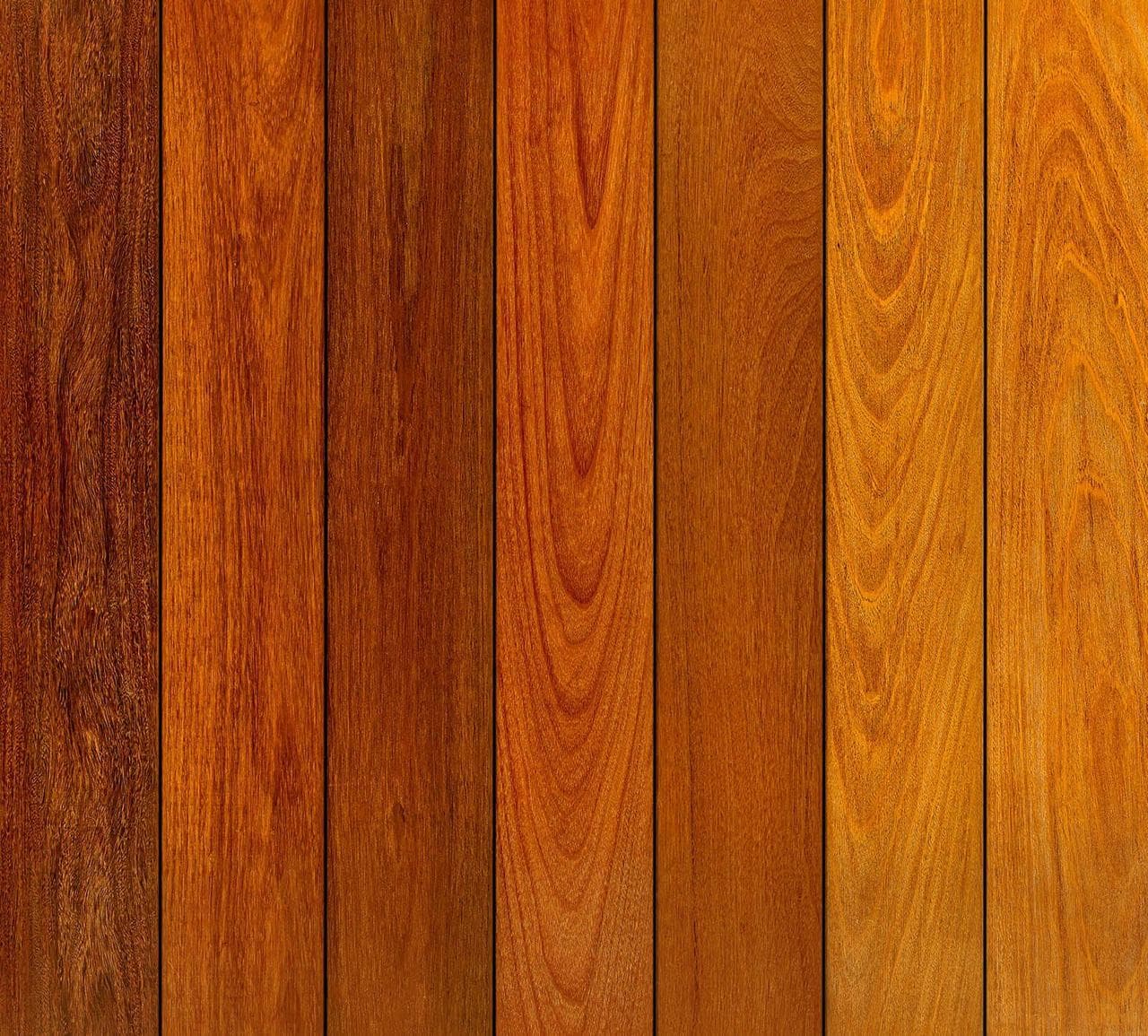
Confirm the exact Ipe deck tile profile with your contractor. This includes verifying the slat width, spacing, and the type of backing material if applicable. While Ipe is known for its deep chocolate tones and hardness, understanding the specific product details ensures consistency with your design vision. Ensure that the chosen profile is suitable for your intended use and any accessory systems, such as pedestals, if they are part of the installation plan.
For example, if your project is a 10-foot by 12-foot terrace, a 24 x 24 inch tile offers a broader appearance. This area is 120 square feet. If you use 24 x 24 inch tiles, each covering 4 square feet, you would need 30 tiles for full coverage. However, the actual purchase quantity needs to account for cuts and a waste factor, especially if the dimensions aren't perfect multiples of 24 inches.
Understanding the Substrate and Support System
The type of substrate beneath your Ipe deck tiles is critical. Whether it's a concrete slab, an existing patio, or a rooftop membrane, its condition and slope must be confirmed. Discuss with your contractor any necessary surface preparation, such as cleaning, repairs, or creating a slight slope for drainage.
If a pedestal system is being used, ensure that the chosen Ipe deck tiles are compatible with the pedestal heads and that the pedestals themselves are rated for the anticipated load and height requirements. Verify the proposed spacing of the pedestals based on the tile size and manufacturer recommendations. This is a crucial detail for ensuring a stable and long-lasting installation.
Edge Finishing and Transitions
How the Ipe deck tiles terminate at the edges of your project or transition to other materials requires careful planning. Discuss with your contractor options for edge finishing, such as trim pieces, fascia boards, or leaving a clean, exposed tile edge. The aesthetic and functional implications of each option should be reviewed.
Consider transitions to door thresholds, railings, or adjacent landscaping. Ensuring a smooth and safe transition is important. This might involve precise cuts, custom trim, or adjustments to the sub-structure height. Confirming these details upfront helps avoid last-minute complications and ensures a polished final appearance.
Material Takeoff and Waste Factor
Once dimensions, tile size, and layout are finalized, work with your contractor to perform a detailed material takeoff. This calculation determines the number of Ipe deck tiles required. Always include a waste factor, typically 5-10%, to account for cuts, potential damage, or future repairs. For projects with complex geometries or many cuts, a higher waste factor might be prudent.
For the hypothetical 10-foot by 12-foot terrace using 24 x 24 inch tiles, the area is 120 square feet. Since each tile is 4 square feet, a simple area calculation suggests 30 tiles. However, if the layout requires cutting tiles along the 10-foot side (5 tiles across) and the 12-foot side (6 tiles across), you would need 5 x 6 = 30 tiles for full coverage without considering waste. Adding a 10% waste factor would bring the order to 33 tiles. If the dimensions were, for instance, 10 feet by 11 feet, and you use 24x24 tiles, you'd need 5 tiles by 5.5 tiles. You would purchase 5 rows of 6 tiles (30 tiles) for the 10x12 area, ensuring enough material for the partial tiles. The actual purchased quantity is often higher than just the area divided by tile area due to cuts that don't yield reusable offcuts.
Delivery, Storage, and Jobsite Access
Discuss with your contractor the logistics of material delivery. Confirm the delivery address, preferred delivery window, and any access restrictions at the job site. Ipe deck tiles can be heavy, so consider how they will be unloaded and moved to the installation area.
Plan for a suitable, protected storage location on-site to keep the tiles dry and safe from damage or theft before installation. Ensure that the storage area is level and allows for proper air circulation around the materials. Confirm who is responsible for receiving and inspecting the delivery.
Before you order
- Have precise project dimensions and a measured layout drawing been confirmed by the contractor?
- Is the specific Ipe deck tile size (12x12 or 24x24 inches) and profile verified?
- Is the condition of the substrate suitable, and are any necessary preparations planned?
- If using, are pedestal systems compatible with the chosen tiles and rated for the project?
- Are all edge finishing details and transitions to other surfaces clearly defined?
- Has a detailed material takeoff been completed, including a waste factor?
- Are delivery logistics, on-site storage, and access arrangements confirmed with the contractor?
Confirm installation details, approved uses and warranty terms in the current instructions for the exact product and profile. Your installer should verify the substrate, structure and applicable project requirements.
Questions to help you decide
What is Ipe wood and why is it used for deck tiles?
Ipe is a tropical hardwood known for its exceptional hardness and durability, making it a popular choice for outdoor applications. Its deep chocolate tones contribute to a classic and elegant appearance. Ipe's natural density helps it withstand outdoor elements, making it suitable for deck tiles on terraces, balconies, and other exterior spaces.
How do 12 x 12 inch and 24 x 24 inch Ipe deck tiles differ in application?
The primary difference is scale and visual impact. 12 x 12 inch tiles are compact (1 square foot each), often preferred for smaller areas, intricate layouts, or where more seams are desired as a design element. 24 x 24 inch tiles are larger (4 square feet each), creating a more expansive look with fewer seams, ideal for larger terraces and open surfaces. The choice depends on your project's size, desired aesthetic, and complexity of the layout.
What considerations are important for Ipe deck tiles in coastal or winter environments?
In coastal projects, Ipe's density makes it resistant to salt air, but consistent maintenance may be needed to preserve its color. For winter environments, Ipe deck tiles can withstand cold temperatures. However, proper drainage beneath the tiles is crucial to prevent ice buildup. Regular cleaning to remove snow and ice, along with ensuring good ventilation, can help maintain the tiles' condition. Always confirm specific maintenance recommendations for your climate.
Ready to Plan Your Ipe Deck Tile Project?
Request a material quote today. Provide your project dimensions, desired Ipe deck tile profile, and ZIP code, and our team will assist you with current availability and service options.
Request a material quote →