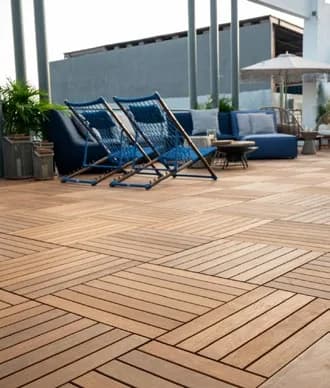
Understanding Coastal Exposure Levels
Coastal environments are not uniform; the degree of salt exposure varies significantly based on proximity to the water, prevailing winds, and elevation. A beachfront property directly exposed to salt spray will experience different conditions than a sheltered patio several blocks inland. Accurately assessing your project's exposure level is the first step in planning.
Consider areas with direct salt spray, where visible salt crusts may form on surfaces. These locations require the most robust material and fastening solutions. Areas with high humidity and salt-laden air, even without direct spray, still necessitate careful consideration. Finally, more sheltered coastal zones might still benefit from enhanced protection, though the urgency may be less.
Ipe Deck Tiles: Natural Resistance and Considerations
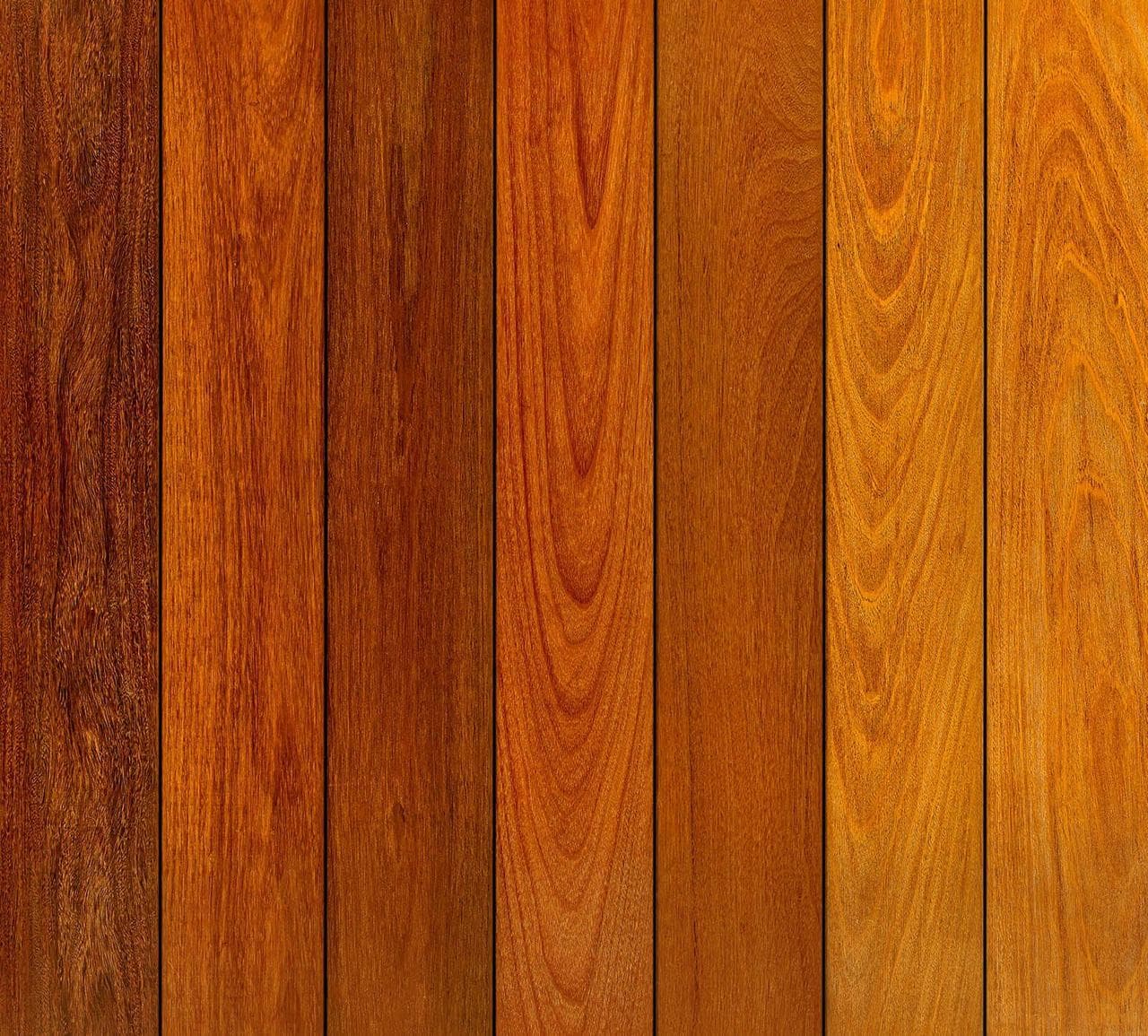
Ipe is a tropical hardwood known for its density and natural resistance to decay and insects, making it a popular choice for outdoor applications. Its inherent properties contribute to its ability to perform in challenging environments. The deep chocolate tones offer a classic hardwood look. These tiles are available in '12" x 12"' (1 square foot per tile) and '24" x 24"' (4 square feet per tile) formats.
While Ipe's natural characteristics are beneficial, it's important to differentiate between general outdoor durability and specific resistance to corrosive salt environments. The wood itself can endure coastal conditions, but the overall assembly, particularly the fasteners and supporting structures, requires additional scrutiny to prevent premature degradation.
Selecting Corrosion-Resistant Fasteners
Saltwater and salt-laden air are highly corrosive to many common metals. Using standard steel or even galvanized fasteners in these environments can lead to rust, staining of the wood, and structural failure over time.
For coastal applications, consider marine-grade stainless steel fasteners. These are designed to resist corrosion in harsh environments. Ensure that all screws, clips, and any other metal components used in the deck tile assembly, including those in the supporting framework, meet appropriate corrosion resistance standards for your specific exposure level. Check manufacturer specifications for compatibility with Ipe and suitability for marine conditions.
Installation Best Practices for Coastal Durability
Proper installation techniques can further enhance the longevity of Ipe deck tiles in coastal settings. Ensure adequate ventilation beneath the deck tiles to prevent moisture buildup, which can accelerate corrosion and wood degradation. This is particularly important in humid coastal climates.
Consider using a pedestal system that elevates the tiles off the sub-surface, allowing for airflow and drainage. This also provides access for cleaning and inspection. If installing directly on a concrete slab, ensure the surface slopes adequately for water runoff and that a drainage mat or similar system is in place to prevent standing water under the tiles.
Maintenance for Coastal Ipe Deck Tiles
Regular maintenance is essential for any outdoor wood surface, but it takes on added importance in coastal areas. Salt residue can build up on the tiles, attracting moisture and potentially accelerating wear. Routine cleaning with fresh water can help remove salt deposits and other debris.
While Ipe is naturally durable, applying a suitable exterior wood finish can offer an additional layer of protection against UV radiation and moisture, helping to preserve its color and surface integrity. Always choose finishes recommended for dense hardwoods and suitable for outdoor, high-moisture environments. Reapply finishes as needed, monitoring for signs of wear.
Periodically inspect all fasteners and the supporting structure for any signs of corrosion or loosening. Addressing these issues promptly can prevent more significant problems down the line.
Worked Example: Coastal Balcony Project
Consider a hypothetical balcony project for a condominium unit located on the third floor, approximately 100 feet from the oceanfront. The balcony measures 8 feet by 12 feet. Prevailing winds bring salt-laden air, but direct salt spray is infrequent.
For this 96 square foot (8' x 12') balcony, Ipe deck tiles in the '24" x 24"' format would be a suitable choice. Each tile covers 4 square feet. To cover 96 square feet, you would theoretically need 24 tiles (96 sq ft / 4 sq ft per tile). Given the dimensions, an 8-foot side would require 4 tiles (8 feet / 2 feet per tile) and a 12-foot side would require 6 tiles (12 feet / 2 feet per tile), resulting in exactly 24 tiles with no cuts needed if the tiles are laid straight. It is always prudent to order a few extra tiles for potential waste or future repairs.
Regular rinsing with fresh water would be recommended at least monthly, and a UV-inhibiting finish would be applied annually to maintain the rich color and offer additional surface protection.
Before you order
- Assess the specific level of salt exposure (direct spray, salt-laden air, sheltered).
- Confirm Ipe's suitability for the expected environmental conditions.
- Plan for adequate ventilation and drainage beneath the deck tiles.
- Consider a pedestal system for elevated installation and access.
- Budget for regular cleaning and maintenance, including fresh water rinses.
- Select an appropriate exterior wood finish for dense hardwoods in coastal environments.
Confirm installation details, approved uses and warranty terms in the current instructions for the exact product and profile. Your installer should verify the substrate, structure and applicable project requirements.
Questions to help you decide
Can Ipe deck tiles withstand direct salt spray?
Ipe is a dense and durable hardwood that can withstand exposure to salt spray. However, the critical factor in such environments is the corrosion resistance of the fasteners and supporting structures. Using marine-grade stainless steel fasteners and ensuring proper drainage and ventilation will significantly contribute to the overall longevity of the installation.
What kind of fasteners should I use for Ipe deck tiles in a coastal area?
These materials offer superior corrosion resistance compared to standard steel or galvanized options, which can rust and degrade rapidly in salt-laden environments.
How often should I clean Ipe deck tiles in a coastal environment?
Regular cleaning with fresh water is advisable in coastal areas to remove salt residue and debris. For properties with direct salt spray, monthly rinsing may be beneficial. For areas with high humidity and salt-laden air, a quarterly or bi-annual rinse might suffice, alongside routine sweeping. Always monitor your specific conditions and adjust as needed.
Ready to Transform Your Coastal Space with Ipe Deck Tiles?
Request a material quote today. Provide your project dimensions, desired Ipe deck tile profile (12x12 or 24x24), and your ZIP code. Our team can confirm current availability and service options to help you plan your durable coastal deck.
Request a material quote →