Understanding Ipe Deck Tile Dimensions
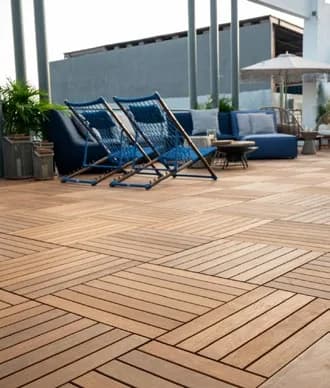
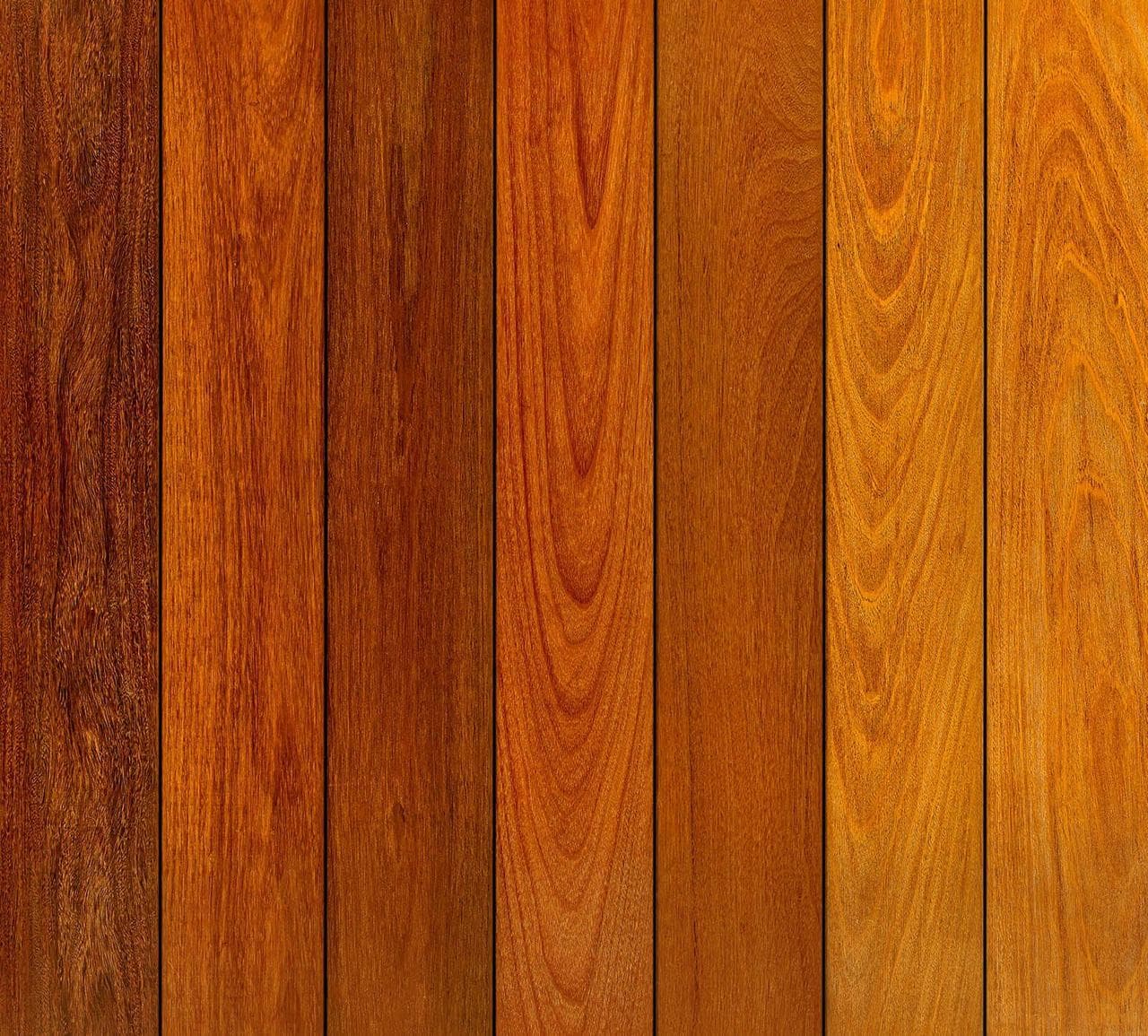
Ipe deck tiles are crafted from Ipe, a tropical hardwood known for its deep chocolate tones and durability. These tiles are designed for creating elevated or finished surfaces on patios, balconies, and rooftops. They typically feature a slatted surface attached to a grid base, allowing for water drainage and air circulation. The two standard sizes available are 12 x 12 inches and 24 x 24 inches.
The 12 x 12 inch tile is a compact square format, covering 1 square foot per tile. This size is often chosen for smaller areas, projects with many corners or transitions, or when a more detailed, grid-like aesthetic is desired. Its smaller footprint allows for more precise fitting in irregular spaces, though it results in more visible seams.
The 24 x 24 inch tile is a larger square format, covering 4 square feet per tile. This size is generally preferred for larger, open surfaces like extensive terraces or patios, where the goal is to minimize the number of visible seams and create a sense of spaciousness. The larger tiles can accelerate installation over expansive areas but may require more careful planning for cuts around obstacles.
Visual Impact and Aesthetic Considerations
The choice of tile size dramatically influences the visual perception of your outdoor space. Smaller 12 x 12 inch tiles introduce more grid lines, which can make a small area feel busier or more intricate. This can be an advantage if you are aiming for a classic checkerboard pattern or if you need to visually break up a long, narrow space. The increased number of seams can also create a perception of greater texture.
Conversely, 24 x 24 inch tiles produce fewer seams across the same area, leading to a more streamlined and expansive look. This is particularly effective in larger outdoor rooms or on rooftops where a clean, uncluttered aesthetic is desired. The larger format can make a space feel more open and contemporary, allowing the rich grain of the Ipe to be appreciated in broader sweeps rather than in smaller, individual modules.
Installation and Project Complexity
The size of the Ipe deck tile can also affect the installation process. Smaller 12 x 12 inch tiles are generally easier to handle individually due to their lighter weight and smaller footprint. They can be more forgiving when navigating minor irregularities in the sub-surface or when making small adjustments during layout.
Larger 24 x 24 inch tiles, while covering more area per unit, require more careful handling and precise placement. Their increased size means that any misalignment can be more noticeable across the broader surface. Cutting these larger tiles, especially for intricate shapes or around fixed elements, may require more planning and potentially different tools to ensure clean, accurate results. However, for large, unencumbered areas, installation with 24 x 24 inch tiles can proceed more quickly due to fewer individual units to place.
Worked Example: Tiling an 8' x 10' Balcony
Let's consider a hypothetical balcony measuring 8 feet (96 inches) by 10 feet (120 inches). We'll assume a straight lay pattern with no spacing between tiles for simplicity in this example. This area totals 80 square feet.
**Option 1: Using 12 x 12 inch Ipe Deck Tiles**
Each 12 x 12 inch tile covers 1 square foot. For the 8' x 10' area, you would theoretically need 80 tiles (80 sq ft / 1 sq ft per tile).
Along the 8-foot (96-inch) side, you would fit 8 tiles (96 inches / 12 inches per tile).
Along the 10-foot (120-inch) side, you would fit 10 tiles (120 inches / 12 inches per tile).
This would result in a perfect grid of 8 rows by 10 columns, requiring exactly 80 tiles with no cuts needed if the dimensions are precise. However, in most real-world scenarios, you should account for a small percentage of overage (typically 5-10%) for cuts, waste, or future replacements. For this example, ordering 84-88 tiles would be a reasonable starting point.
**Option 2: Using 24 x 24 inch Ipe Deck Tiles**
Each 24 x 24 inch tile covers 4 square feet. For the 8' x 10' area, you would theoretically need 20 tiles (80 sq ft / 4 sq ft per tile).
Along the 8-foot (96-inch) side, you would fit 4 tiles (96 inches / 24 inches per tile).
Along the 10-foot (120-inch) side, you would fit 5 tiles (120 inches / 24 inches per tile).
This would result in a perfect grid of 4 rows by 5 columns, requiring exactly 20 tiles with no cuts needed if the dimensions are precise. Again, it is advisable to add a small overage. For this example, ordering 21-22 tiles would be a reasonable starting point.
This example highlights that while the total square footage remains constant, the number of individual units ordered changes significantly based on tile size. When dimensions do not align perfectly with tile multiples, cuts become necessary, which can increase the required quantity due to unusable offcuts. Always measure your project space precisely and consider a detailed layout plan before ordering.
Considerations for Edges, Cuts, and Waste
Regardless of the tile size chosen, planning for edges, cuts, and potential waste is crucial. When your project dimensions are not exact multiples of the tile size, cuts will be necessary. For instance, if your balcony was 8 feet by 10 feet 6 inches, you would need to cut tiles along one edge.
With 12 x 12 inch tiles, a 6-inch cut leaves a 6-inch offcut. Depending on your layout, this offcut might be usable elsewhere if another edge also requires a 6-inch piece.
With 24 x 24 inch tiles, a 6-inch cut leaves an 18-inch offcut. This larger offcut has a higher probability of being reusable for another section of the project that requires a piece shorter than 24 inches, potentially minimizing waste. However, if many small, irregular cuts are needed, the larger tiles might generate more unusable scrap.
Always create a detailed layout diagram for your project, marking out where each tile will go and identifying all necessary cuts. This will help you estimate the number of full tiles and the number of tiles that will need to be cut, and consequently, the total quantity to order, including a buffer for waste.
Complementary Products for Ipe Deck Tiles
Beyond the tiles themselves, consider these complementary products for a complete Ipe deck tile installation:
**Deck Tile Pedestals:** For elevated installations, especially on uneven surfaces or rooftops, adjustable pedestals provide a stable and level base while allowing for drainage and access beneath the deck surface. (See: Deck Tiles)
**Edge Finishing Pieces:** Depending on your project design, you may need specific trim or edge pieces to provide a clean, finished look where the tiles meet an open edge or transition to another surface. (See: Deck Tiles)
**Weed Barrier/Underlayment:** For ground-level installations over soil or gravel, a weed barrier can prevent plant growth through the gaps between tiles and help stabilize the sub-base. (See: Deck Tiles)
**Cleaning and Maintenance Products:** To preserve the rich appearance and longevity of your Ipe deck tiles, consider specialized cleaners and optional UV-inhibiting sealers or oils. (See: Deck Tiles)
Before you order
- What are the precise dimensions of your project area?
- Are there many irregular shapes, corners, or fixed obstacles (e.g., columns, planters, drains)?
- What aesthetic do you prefer: a busy, textured grid or a more expansive, seamless look?
- Will the installation be DIY or professional? Consider the ease of handling and cutting.
- Do you have a detailed layout plan to minimize waste and estimate cuts?
- What is your budget for materials, including potential overage for waste?
- Are there any specific building codes or approval requirements for tile size in your location (e.g., for rooftop installations)?
- How will you manage water drainage and sub-surface access with your chosen tile size?
Confirm installation details, approved uses and warranty terms in the current instructions for the exact product and profile. Your installer should verify the substrate, structure and applicable project requirements.
Questions to help you decide
Can I mix 12 x 12 and 24 x 24 Ipe deck tiles in the same project?
While technically possible, mixing tile sizes typically requires careful planning to ensure a cohesive look and proper alignment. The different tile sizes will result in varying grid patterns, and you would need to ensure the underlying support structure or pedestal system can accommodate both. Most projects benefit from a consistent tile size for visual uniformity and simplified installation.
How much overage should I order for Ipe deck tiles?
It is generally recommended to order an additional 5-10% beyond your calculated square footage. This accounts for potential cuts, waste, minor installation errors, or future replacements. For projects with many complex cuts or unusual shapes, a higher percentage might be prudent. Always consult your detailed layout plan to make an informed decision.
Do Ipe deck tiles come with connectors?
Ipe deck tiles are often designed to be installed using specialized connectors that link the tiles together and provide spacing. These connectors may be included with the tiles or sold separately, depending on the manufacturer and specific product. Confirm the exact assembly system when you are selecting your tiles to ensure you have all necessary components.
Ready to Transform Your Outdoor Space with Ipe Deck Tiles?
Request a material quote today. Provide your project dimensions, desired Ipe deck tile profile (12x12 or 24x24), and your ZIP code to confirm current availability and service options.
Request a material quote →