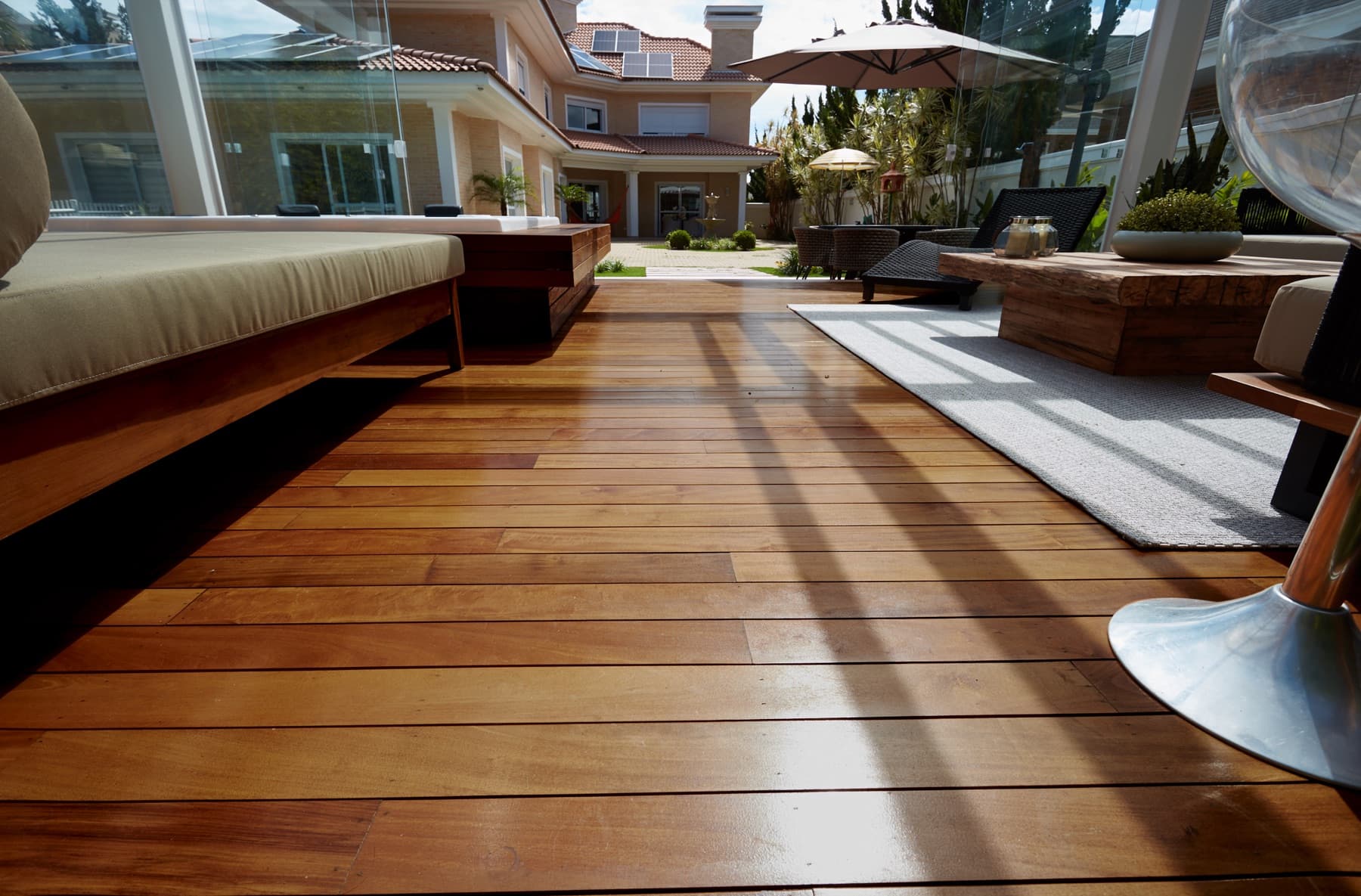
Understanding Your Urban Backyard Space
Before selecting materials, take precise measurements of your backyard. Note not just the total square footage, but also existing features like permanent structures, mature trees, access points, and any grade changes. Consider how much direct sunlight the area receives throughout the day, and where shadows fall. These factors will influence the type of hardwood chosen, the deck's orientation, and potential uses.
Think about the primary function of your deck. Will it be a dining area, a quiet reading nook, or a place for container gardening? In compact spaces, a single, well-defined function often works better than trying to fit too many activities into one small area. This clarity will guide your design decisions and help avoid a cluttered feel.
Hardwood Species for Urban Decking
Several hardwood species are well-suited for decking, each offering distinct characteristics. For urban environments where durability and low maintenance are often priorities, species like Ipe and Cumaru are frequently chosen.
It is naturally resistant to rot, insects, and mold, and its minimal movement post-installation makes it a stable choice. Ipe ranges from reddish-brown to olive-brown. If left untreated, Ipe will weather to a silvery-gray patina; applying a UV-blocking sealer can help preserve its original color. (S1)
It is resistant to termites and weather changes, offering stiffness, strength, and extreme hardness.
Other options include Garapa, often considered a value pick with a golden tone, and Tigerwood, known for its dramatic grain figure. When making your selection, consider not just the initial appearance, but also how the wood will age and the level of maintenance you are prepared to undertake. (S2)
Strategic Deck Layouts for Small Spaces
In a compact urban backyard, the deck's layout is crucial for maximizing usability and maintaining an open feel. Instead of a sprawling, multi-level design, consider these approaches:
A single-level deck that is flush with the ground or slightly elevated can seamlessly extend your indoor living space outdoors. This creates a unified visual plane, making the entire area feel larger. Avoid abrupt changes in elevation that can break up the space and create visual barriers.
Consider a diagonal board layout. While it may require more cuts, laying boards at a 45-degree angle can create a sense of depth and make a narrow space appear wider. This draws the eye across the space, rather than emphasizing its length or width.
Integrate built-in features such as benches or planters along the perimeter. This saves floor space that freestanding furniture would occupy and creates a cohesive look. Built-in benches can also serve as low retaining walls if there's a slight grade change, or provide additional storage underneath.
Worked Example: A 10' x 12' Urban Deck
Let's consider a hypothetical urban backyard measuring 10 feet wide by 12 feet deep. The goal is to create a functional dining area for four, with minimal visual clutter. We'll use 1x6 Ipe decking boards, which are typically available in various lengths. For this example, we'll assume an average board length of 10 feet.
A simple rectangular deck, 8 feet by 10 feet, would fit well, leaving a 2-foot border along one side and a 2-foot pathway along the other to access the rest of the yard. This 80-square-foot deck provides ample space for a small dining table and four chairs.
For the 10-foot length of the deck, we would need approximately (10 feet * 12 inches/foot) / 5.5 inches per board = 21.8 boards. Rounding up, we would need 22 boards to cover the 10-foot width. Since the deck is 8 feet deep, and we are using 10-foot boards, we can cut each 10-foot board into an 8-foot section and a 2-foot offcut. These 2-foot offcuts can be used for shorter sections, such as a picture frame border if desired, or for steps.
Therefore, for an 8x10 foot deck, laid perpendicular to the 8-foot depth, you would need 22 boards, each 10 feet long. This calculation ensures full coverage while accounting for potential cuts and waste. Always add a small percentage (5-10%) for cuts, waste, and future repairs.
Maximizing Functionality with Decking Details
Thoughtful details can significantly enhance a small urban deck. Consider integrating low-profile lighting into the deck surface or along steps to extend usability into the evening without requiring bulky fixtures. Plan for discreet storage solutions, such as built-in benches with lift-top lids, to keep cushions, gardening tools, or other outdoor essentials out of sight.
The choice of fasteners also impacts the aesthetic. Hidden fastening systems create a clean, uninterrupted surface, which can make a small deck appear more expansive and modern. Face-fastening, while often simpler, can introduce visual breaks. Discuss these options with your installer to understand the implications for both appearance and installation.
Finally, ensure proper ventilation underneath the deck, especially in urban settings where air circulation might be limited. Adequate airflow helps prevent moisture buildup, which is crucial for the longevity of any hardwood deck. (S1)
Before you order
- Measure your backyard thoroughly, noting all existing features and sun exposure.
- Define the primary function of your deck (e.g., dining, lounge, garden).
- Research hardwood species like Ipe or Cumaru, considering their appearance, durability, and maintenance needs.
- Plan a single-level layout to create a seamless transition and maximize perceived space.
- Consider a diagonal board layout to add visual interest and depth.
- Explore built-in features like benches or planters to save floor space.
- Incorporate low-profile lighting for evening use.
- Plan for discreet storage solutions to maintain a clutter-free environment.
- Decide between hidden or face-fastening systems based on aesthetic preference.
- Ensure adequate under-deck ventilation for longevity.
Confirm installation details, approved uses and warranty terms in the current instructions for the exact product and profile. Your installer should verify the substrate, structure and applicable project requirements.
Questions to help you decide
How much maintenance does hardwood decking require in an urban setting?
Hardwood decking, especially durable species like Ipe and Cumaru, is generally low maintenance. A wash once a year is typically sufficient to keep it clean. If you prefer to maintain the wood's original rich brown color, an annual application of a UV-blocking oil is recommended. Without oiling, the wood will naturally weather to a silvery-gray patina, which does not affect its structural integrity. (S2)
Can hardwood decking withstand heavy foot traffic in an urban backyard?
Yes, hardwoods like Ipe and Cumaru are known for their exceptional density and hardness, making them highly resistant to wear and tear from heavy foot traffic. These species are frequently used in commercial applications and public boardwalks, demonstrating their ability to endure significant use over many decades. (S1, S2)
What lengths and profiles of hardwood decking are available for small projects?
Hardwood decking is available in a variety of profiles and lengths. For species like Ipe, dimensions typically range from 1x2 inches up to 6x6 inches, with lengths from 3 to 24 feet. Availability can vary, so it's always best to contact us with your specific project dimensions to confirm current stock and potential custom-milling options. (S1, S2)
Start Planning Your Urban Deck with Hardwood Decking
Ready to transform your compact urban backyard? Request a material quote today. Provide your project dimensions, desired profile, and ZIP code to confirm current availability and service options for Ipe, Cumaru, or other hardwood decking species.
Request a material quote →