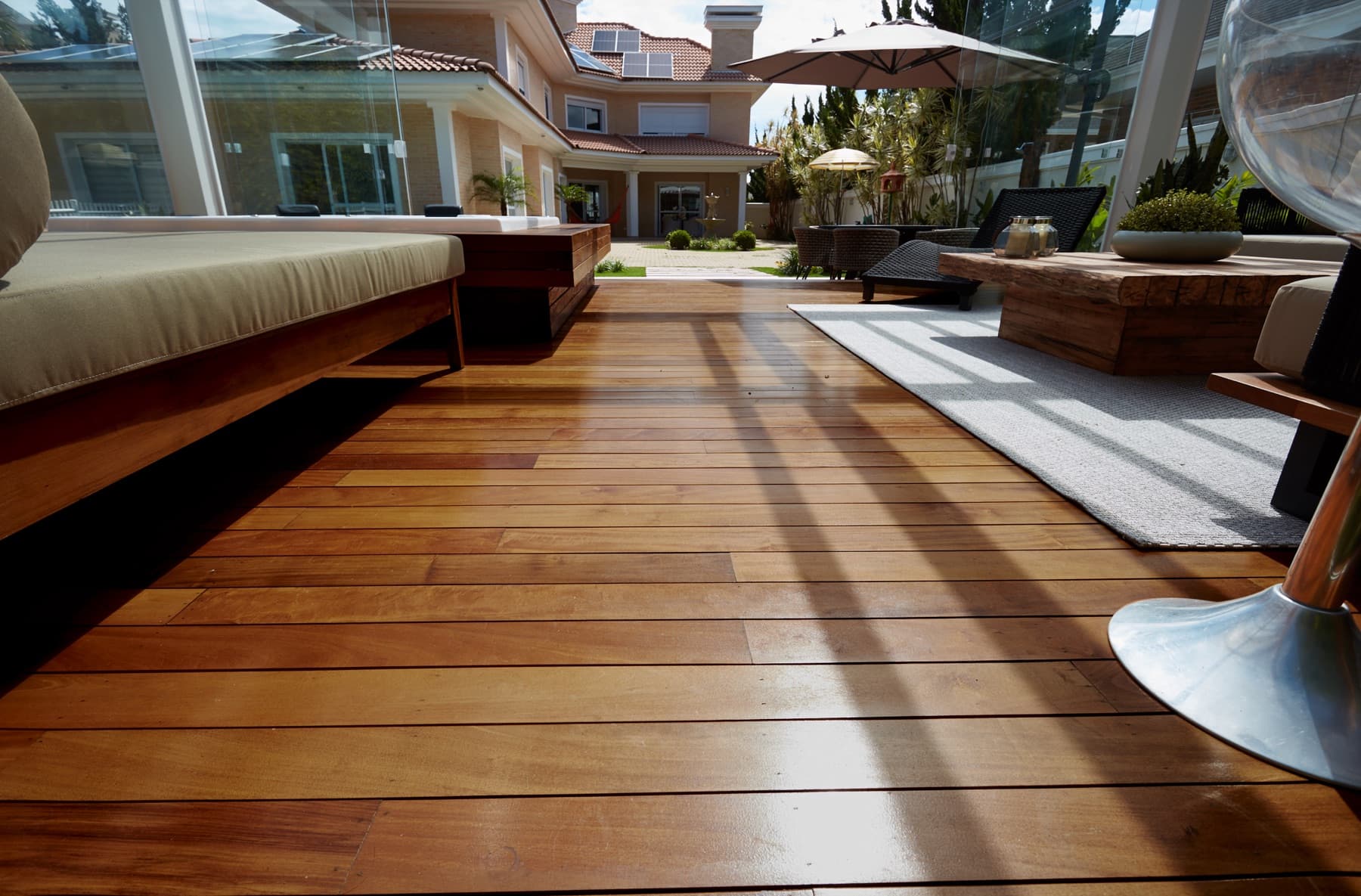
Understanding Hardwood Decking Costs
The overall cost of a hardwood decking project is influenced by several factors, including the specific hardwood species chosen, the dimensions and complexity of your deck design, and whether you plan a DIY installation or professional help. Different species offer varying price points, reflecting their density, durability, and aesthetic qualities.
Cumaru offers similar durability and resistance but may be a more budget-friendly option. Garapa is often a value pick with a golden tone, while Tigerwood provides a dramatic figure. Understanding these differences is the first step in tailoring your budget to your preferences and needs.
Beyond the decking boards, consider the cost of the substructure, fasteners (hidden or face-fastened), any specialized tools required for installation, and finishing products like sealers or oils if you wish to maintain the wood's original color.
Material Takeoff: Decking Boards
Accurately calculating the quantity of decking boards is crucial. Start by determining the total square footage of your deck. For a simple rectangular deck, this is straightforward: length multiplied by width. However, complex shapes, diagonal layouts, or picture-frame borders will require more detailed measurements.
Hardwood decking boards are typically sold in various lengths and profiles. For our 12-foot by 16-foot hypothetical deck, the total area is 192 square feet. If you are using standard 5.5-inch wide (nominal 1x6) Ipe decking boards, you'll need to calculate the linear footage. A 5.5-inch board covers 0.4583 feet in width. To cover 16 feet in length, you would need approximately 35 boards (16 feet / 0.4583 feet per board). For the 12-foot width, this means 35 boards * 12 feet = 420 linear feet. However, always add a waste factor, typically 10-15%, to account for cuts, imperfections, and future repairs. For this example, let's use a 10% waste factor, bringing the total to 462 linear feet.
Remember that board lengths vary, and you'll want to optimize your order to minimize cuts and waste. Longer boards can reduce the number of seams, but shorter lengths might be more economical depending on availability. Confirm current profiles and lengths with your supplier.
Substructure and Support Materials
The decking boards are only one part of the equation. The substructure, typically made of pressure-treated lumber or steel, provides the essential support for your deck. This includes posts, beams, and joists. The quantity and size of these materials depend on your deck's design, height, and local building codes.
Each of these components adds to the material cost. While not a direct hardwood cost, it is a crucial part of the overall decking project budget.
Fasteners and Accessories
Fasteners are another significant line item. Hardwood decking can be installed using hidden fasteners or face-fastened screws. Hidden fasteners create a smooth, unblemished surface but can be more labor-intensive and costly. Face-fastening, while visible, is often quicker and may be more economical. Ensure any chosen fasteners are compatible with hardwood and suitable for outdoor exposure.
Other accessories include flashing tape for joist protection, deck screws for the substructure, and any specialized bits or tools needed for hardwood installation, such as pre-drilling tools, as hardwood's density often requires pilot holes.
If you plan to maintain the original color of your hardwood deck, you'll also need to budget for UV-blocking sealers or oils. If left untreated, hardwoods like Ipe will weather to a silvery-gray patina, which some homeowners prefer.
Labor and Installation Costs
If you're not planning a DIY project, professional installation labor will be a substantial part of your budget. Labor costs vary based on location, contractor experience, and the complexity of the deck design. Obtaining multiple quotes from licensed and insured contractors is recommended.
When comparing quotes, ensure they clearly outline what's included: demolition of an old deck (if applicable), substructure construction, decking installation, and any finishing work. Some contractors may provide a breakdown of material and labor, while others offer a bundled price. Clarify these details upfront.
Hardwood installation, especially for dense species like Ipe, often requires specialized knowledge and tools, which can influence labor costs. While possible for experienced DIYers, professional installation is often recommended for optimal results and to ensure proper techniques are followed.
Contingency and Unexpected Costs
Always allocate a contingency fund, typically 10-15% of the total project cost, for unexpected expenses. This can cover unforeseen material needs, minor design changes, or additional labor if issues arise during construction. Even with meticulous planning, surprises can occur.
Consider potential costs for permits, site preparation (e.g., grading or excavation), and post-installation landscaping or cleanup. While these might not directly relate to the hardwood decking itself, they are part of the overall project expenditure.
Before you order
- Determine your deck's exact dimensions and shape, accounting for any unique features.
- Choose your preferred hardwood species, considering durability, appearance, and budget tier.
- Calculate the linear footage of decking boards needed, adding a 10-15% waste factor.
- Identify the required substructure materials (posts, beams, joists) and their quantities.
- Select appropriate fasteners (hidden or face-fastened) and estimate quantities.
- List all necessary accessories, such as flashing tape, specialized bits, and finishing oils.
- Obtain quotes for professional installation if not doing it yourself.
- Allocate 10-15% of the total estimated cost for a contingency fund.
- Confirm current availability of profiles and lengths with your supplier.
- Consider any additional costs for permits, site preparation, or cleanup.
Confirm installation details, approved uses and warranty terms in the current instructions for the exact product and profile. Your installer should verify the substrate, structure and applicable project requirements.
Questions to help you decide
Which hardwood species is most cost-effective for decking?
While Ipe is considered the benchmark for durability and longevity, Cumaru can offer a similar appearance and performance at a lower price point. Garapa is often recommended as a value pick with a distinctive golden tone. The most cost-effective choice depends on your specific priorities for lifespan, appearance, and budget.
Do I need special tools to install hardwood decking?
Yes, due to the density of tropical hardwoods like Ipe and Cumaru, specialized tools and techniques are often recommended. This may include carbide-tipped saw blades, specific pre-drilling tools, and high-quality fasteners designed for hardwoods. Professional installation is often advised given the material's characteristics.
How much waste should I factor into my hardwood decking material order?
It is generally recommended to add a 10-15% waste factor to your calculated material quantities for hardwood decking. This accounts for necessary cuts, potential board imperfections, and provides extra material for any future repairs. For complex deck designs or diagonal layouts, a higher waste factor might be prudent.
Ready to Plan Your Hardwood Decking Project?
Request a material quote with your project dimensions, exact profile preferences, and ZIP code. We can help you confirm current availability and service options for Ipe, Cumaru, Garapa, and other hardwood species. Our team is ready to assist with your material take-off.
Request a material quote →