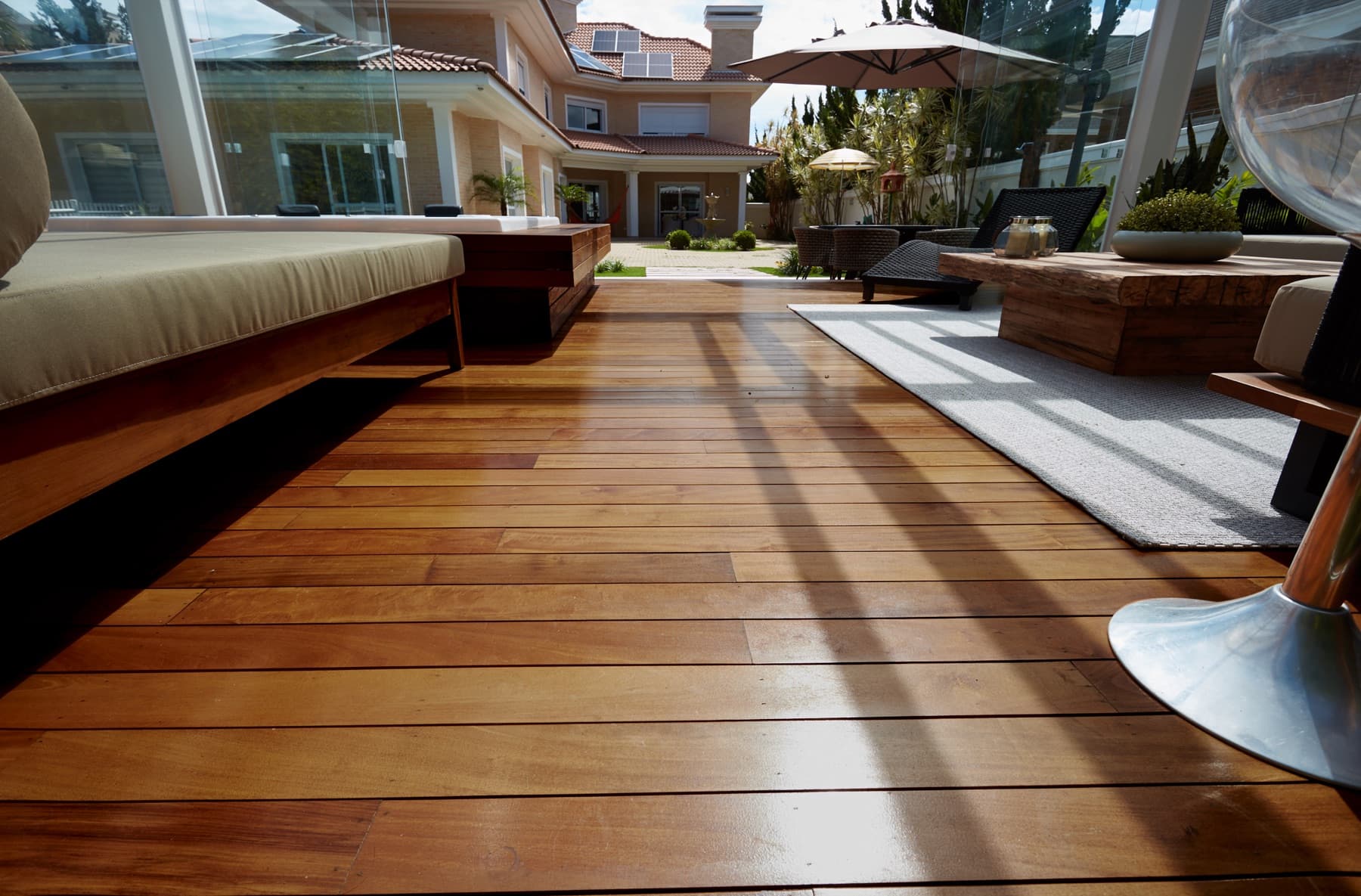
Evaluate the Existing Deck Frame and Substructure
Before selecting new hardwood boards, thoroughly inspect your deck's existing frame, including joists, beams, and ledger board. Hardwood decking species like Ipe or Cumaru are known for their density and durability, which also means they are heavier than many other decking materials. Your existing substructure must be robust enough to support this additional weight.
Look for any signs of rot, decay, or significant cracking in the wood. Pay close attention to areas where wood meets the ground or where water might accumulate, as these are common points for deterioration. Check for loose connections, rusted fasteners, or inadequate bracing. Any compromised structural elements will need to be repaired or replaced to ensure the safety and longevity of your new hardwood deck.
Assess Foundation and Footings
The deck's foundation and footings are crucial for its stability. Inspect concrete footings for cracks, crumbling, or signs of settling. Posts should be plumb and securely attached to the footings, free from rot, especially where they meet the ground or concrete.
Uneven settling can lead to an unlevel deck surface and put undue stress on the frame. If you notice significant issues with the foundation or footings, consult a structural engineer or a qualified contractor. These elements are fundamental to the deck's integrity and must be sound before any new decking material is installed.
Verify Joist Spacing and Condition
Hardwood decking, particularly denser species, often requires specific joist spacing to prevent sagging and ensure proper support. Confirm the recommended joist spacing for your chosen hardwood species and profile.
If your existing joist spacing is too wide, you may need to add blocking or sister new joists alongside the existing ones. Also, check joists for crown or deflection. A level and stable surface is essential for a high-quality hardwood deck installation.
Examine Drainage and Ventilation
Proper drainage and ventilation beneath your deck are vital for the long-term health of both the substructure and the new hardwood decking. Standing water or persistently damp conditions can accelerate rot and mold growth. Ensure that the ground beneath the deck slopes away from your home's foundation and that there are no areas where water pools.
Adequate airflow helps to dry out the wood after rain and prevents moisture buildup. Clear any obstructions that might impede air circulation. If your deck is low to the ground or enclosed, you may need to consider installing additional vents or improving the sub-surface grading to promote better drying.
Worked Example: Renovation Suitability for an Existing Deck
The deck is 24 inches off the ground, built on concrete piers, and currently has composite decking. You are considering renovating with 1x6 Ipe hardwood decking.
If they show no signs of rot or significant warping, their condition is good.
The concrete piers and foundation would need to be checked for stability, and if sound, could likely remain. The low height (24 inches) means ventilation is critical; ensure no landscaping or debris blocks airflow beneath the deck. This assessment reveals that while the existing frame might be structurally sound in terms of material, the joist spacing requires significant modification for optimal hardwood decking performance.
Before you order
- Inspect all joists and beams for rot, cracks, or damage.
- Check ledger board attachment to the house for security and flashing.
- Evaluate posts and footings for stability, settling, and damage.
- Confirm required joist spacing for your chosen hardwood decking profile.
- Assess under-deck drainage and ventilation; identify areas of standing water or poor airflow.
- Inspect all fasteners for rust or loosening.
- Determine if any structural components need repair, reinforcement, or replacement.
- Consider the overall age and expected remaining lifespan of the existing substructure.
Confirm installation details, approved uses and warranty terms in the current instructions for the exact product and profile. Your installer should verify the substrate, structure and applicable project requirements.
Questions to help you decide
Can I put hardwood decking directly on my old deck frame?
It depends on the condition and specifications of your old frame. Hardwood decking is denser and heavier than many other materials, so the frame must be structurally sound, free of rot, and have appropriate joist spacing. A thorough inspection is always recommended.
How much heavier is hardwood decking compared to composite or treated pine?
Hardwood decking, especially species like Ipe or Cumaru, is significantly denser. For example, Ipe has an air dry density of 5.75 lbs/bf. This density translates to a heavier deck surface, which your existing substructure must be able to support. Always check the specific weight per square foot of your chosen hardwood and compare it to your current decking material.
What if my joist spacing is too wide for hardwood decking?
This ensures proper support and prevents the hardwood boards from sagging or cupping over time. This is a common modification in hardwood decking renovations.
Ready to Plan Your Hardwood Deck Renovation?
Request a material quote with your project dimensions, desired hardwood profile, and ZIP code. We can help you confirm current availability and service options for your renovation project.
Request a material quote →