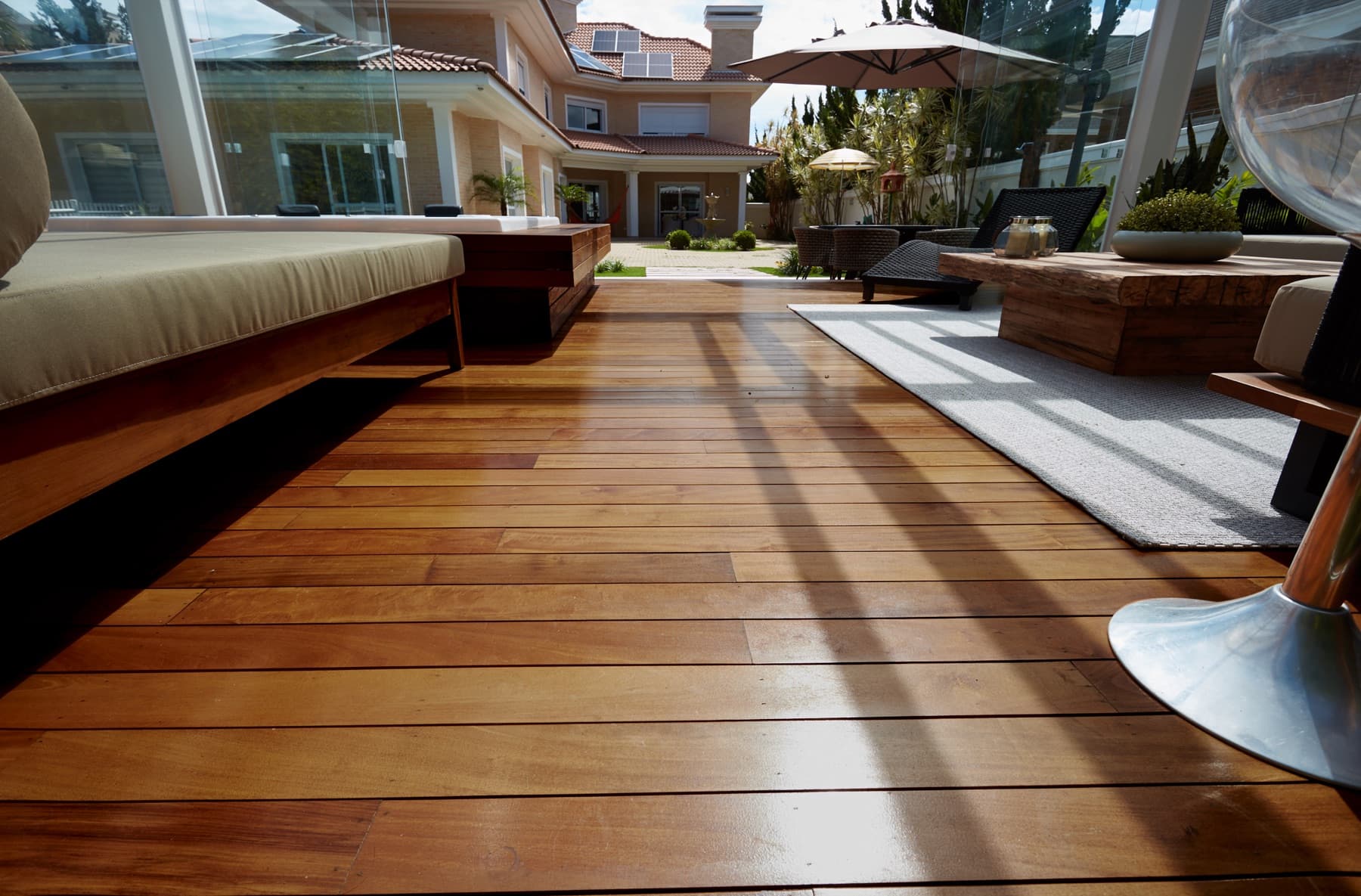
Understanding the Challenges of Shaded Decks
Shaded decks, by definition, receive less direct sunlight throughout the day. This lack of sun exposure directly impacts how quickly the deck surface dries after rain, morning dew, or cleaning. Prolonged moisture retention can create an environment conducive to the growth of mold, mildew, and algae, which can affect the appearance and, over time, the surface integrity of the wood if not properly managed.
Another factor is air circulation. In heavily shaded areas, especially those surrounded by dense foliage or structures, airflow can be restricted. Good ventilation is crucial for helping the deck surface dry out and reducing moisture buildup beneath the deck boards. Planning for adequate air movement is as important as material selection in these settings.
Selecting the Right Hardwood Species
When selecting hardwood for a shaded deck, prioritize species known for their natural resistance to rot, decay, and insect infestation. Tropical hardwoods are often a suitable choice due to their inherent density and natural oils.
Ipe, also known as Brazilian Walnut, is a dense, durable hardwood that is naturally resistant to rot, insects, and mold. It is known for its minimal movement post-installation and resistance to weather changes. Ipe is often considered a benchmark hardwood for demanding outdoor applications. Its density contributes to its ability to withstand moisture challenges. (S1)
Cumaru is another very durable tropical hardwood. It offers natural resistance to insects, rot, and fungi. With a high density and Janka rating, Cumaru provides stiffness, strength, and hardness, making it a dependable choice for demanding builds, including those in shaded conditions. (S1)
While all hardwoods require some maintenance, species like Ipe and Cumaru are noted for their low maintenance requirements relative to other wood options, particularly their natural resistance to elements that might thrive in shaded, moist conditions.
Maximizing Ventilation and Drainage
Effective ventilation is critical for a shaded deck. Ensure there is ample space between deck boards to allow for air circulation and water drainage. While specific spacing requirements vary by product and installation method, proper gapping helps prevent water from pooling and promotes quicker drying.
Consider the design of the deck substructure. An open design that allows air to flow freely underneath the deck boards can significantly improve drying. Avoid designs that create enclosed, unventilated spaces beneath the deck. For decks close to the ground, consider strategies to improve airflow, such as installing lattice with adequate openings or ensuring the perimeter is not completely sealed.
Proper site drainage around and under the deck is also essential. Ensure that water drains away from the deck foundation and does not accumulate in shaded areas. This might involve grading the ground, installing French drains, or ensuring downspouts divert water away from the deck area.
Cleaning and Maintenance for Shaded Decks
Regular cleaning is particularly important for shaded decks to prevent the buildup of mold, mildew, and algae. A simple wash once a year is generally recommended for hardwood decks. This can involve sweeping away debris and then washing the surface with water and a mild, pH-neutral cleaner. Always follow the manufacturer's recommendations for cleaning products to ensure compatibility with your specific hardwood.
If you prefer to maintain the original color of the hardwood, an annual application of a UV-blocking sealer or oil is recommended. If left untreated, hardwoods like Ipe and Cumaru will naturally weather to a silvery-gray patina, which does not affect their structural integrity. For shaded decks, the primary goal of cleaning is to remove organic growth that thrives in moist, low-light conditions, regardless of whether you choose to oil the deck for color retention.
Illustrative Project: 12'x16' Shaded Deck Planning
Let's consider a hypothetical 12-foot by 16-foot shaded deck project. The homeowner desires a durable hardwood deck that will withstand the moist conditions under a large oak tree. They plan to use Ipe decking boards, which are available in various dimensions.
For this project, we'll assume using nominal 1x6 (actual 3/4" x 5.5") Ipe decking boards. To calculate the number of boards needed, we first find the deck area: 12 feet * 16 feet = 192 square feet. If we assume a typical board length of 16 feet, each 1x6 board covers approximately 5.5 inches / 12 inches/foot * 16 feet = 7.33 square feet per board. Therefore, approximately 192 sq ft / 7.33 sq ft/board = 26.19 boards are needed. Accounting for cuts and waste, purchasing at least 28-30 boards would be a prudent starting point.
Ventilation is critical. The deck frame will be elevated at least 18 inches off the ground, with open lattice skirting on three sides to ensure cross-ventilation. The ground beneath the deck will be graded to slope away from the house, and a permeable weed barrier will be installed to prevent moisture from rising.
For maintenance, the plan includes a biannual cleaning schedule (spring and fall) using a soft brush and a diluted deck cleaner, rather than just annual, given the persistent shade and moisture. The homeowner accepts that the Ipe will weather to a silver-gray, avoiding the need for frequent re-oiling, thus simplifying long-term care in the shaded environment.
Before you order
- Assess the degree and duration of shade on the deck area.
- Evaluate existing drainage and airflow around the deck site.
- Select a hardwood species known for natural resistance to rot, mold, and insects (e.g., Ipe, Cumaru).
- Plan for adequate board spacing to promote drainage and drying.
- Design the deck substructure and skirting for maximum ventilation.
- Ensure proper grading and drainage around the deck foundation.
- Establish a proactive cleaning schedule to prevent mold and mildew buildup.
- Decide on a finish: allow to silver naturally or commit to regular oiling for color retention.
- Consult product-specific installation and maintenance guides for exact requirements.
Confirm installation details, approved uses and warranty terms in the current instructions for the exact product and profile. Your installer should verify the substrate, structure and applicable project requirements.
Questions to help you decide
Which hardwood species are best for shaded decks?
Species like Ipe and Cumaru are excellent choices due to their natural density and resistance to rot, mold, and insects, which are common concerns in shaded, moist environments. These hardwoods are inherently durable and require less chemical treatment than many other wood options. (S1)
How important is ventilation for a shaded hardwood deck?
Ventilation is crucial for shaded decks. Limited sunlight means slower drying, so good airflow both above and below the deck boards helps to evaporate moisture more quickly, reducing the risk of mold, mildew, and decay. Ensure adequate spacing between boards and an open design for the substructure.
How often should I clean a hardwood deck in a shaded area?
For shaded decks, consider cleaning more frequently than a sun-exposed deck, perhaps biannually (spring and fall). This helps prevent the buildup of mold, mildew, and algae that thrive in moist, low-light conditions. Always use a mild, pH-neutral cleaner and follow product-specific guidelines. (S1)
Ready to Plan Your Shaded Hardwood Deck?
Provide your project dimensions, desired hardwood profile, and ZIP code to request a material quote. Our team can also confirm current availability and service options for Ipe, Cumaru, and other premium hardwoods.
Request a material quote →