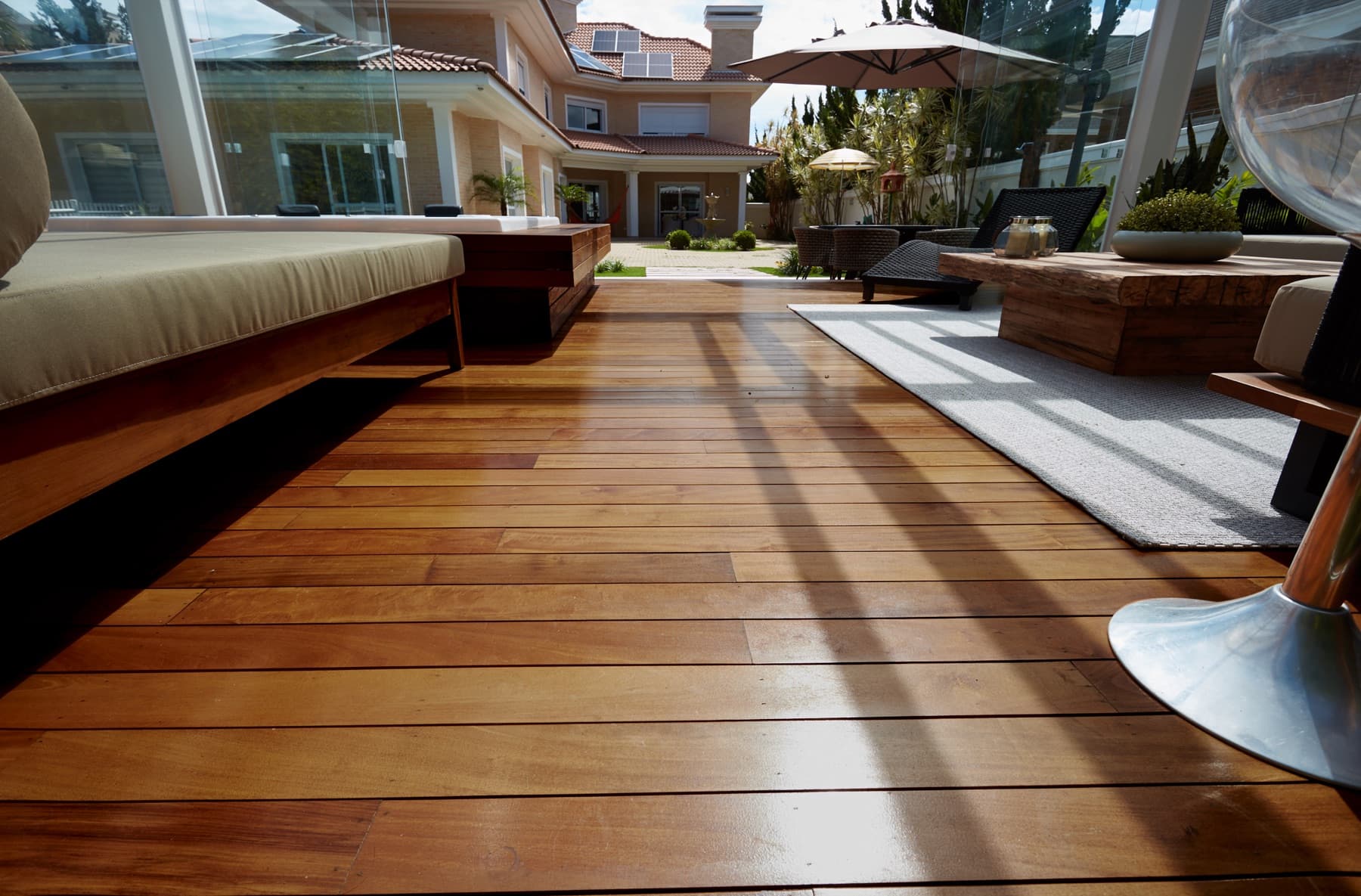
Understanding the Structural Foundation
A second-story deck's structural integrity is paramount. The framing must be robust enough to support the dead load of the decking material itself, plus anticipated live loads such as people, furniture, and planters. Hardwood decking species, particularly dense tropical hardwoods, are heavier than many alternative decking materials. This weight must be accounted for in the joist spacing, beam sizing, and connection details to the main structure.
Consulting with a structural engineer or an experienced deck builder is crucial during the design phase. They can confirm that your existing or planned framing meets local building codes and can adequately support the chosen hardwood decking. Joist spacing is particularly important; while many hardwoods are stiff, wider spacing than recommended for the specific board profile can lead to excessive deflection or movement over time. Always verify the manufacturer's recommended span for your chosen decking dimensions.
Water Management and Drainage
One of the most critical aspects of a second-story deck is water management. Unlike ground-level decks where water can typically drain directly into the soil, a second-story deck requires a system to direct water away from the structure and any spaces below. Hardwood decking, by nature, is not a waterproofing system. Water will pass between the deck boards.
Consider an under-deck drainage system if you plan to create a dry area below, such as a patio or storage space. These systems typically involve troughs or membranes installed beneath the decking, sloped to direct water to a gutter or downspout. Without such a system, water dripping through the deck can damage finishes, furniture, or landscaping below. Proper flashing where the deck attaches to the house is also essential to prevent water intrusion into the building envelope.
Even without a dedicated under-deck system, ensuring good airflow beneath the deck boards is vital to prevent moisture buildup, which can lead to mold or mildew on the deck frame and the underside of the decking. Adequate ventilation helps the decking dry evenly after rain.
Choosing the Right Hardwood Species and Profile
Lumber Plus offers a range of hardwood decking species, each with distinct characteristics. Ipe, often called Brazilian walnut, is a benchmark for durability and longevity. It is exceptionally dense and naturally resistant to rot, insects, and weather changes. Cumaru is another highly durable tropical hardwood, resistant to termites and offering stiffness and strength.
When selecting a species, consider its natural color, grain pattern, and how it will weather. Ipe ranges from reddish-brown to olive-brown and can be maintained with an annual oil application to retain its color, or allowed to weather to a silvery-gray patina. Cumaru offers similar resilience. The profile of the decking board also matters: common dimensions are available, and the choice can influence the deck's overall look and installation method. Confirm current profiles and lengths available.
For second-story applications, the inherent stability and low movement of tropical hardwoods post-installation are advantageous, helping to maintain consistent board spacing and a level surface over time. This minimizes potential issues that might be more complex to address on an elevated structure.
Explore options such as Ipe decking, Cumaru decking, and other hardwood options to find the best fit for your project's aesthetic and functional needs.
Access and Maintenance Planning
Maintaining a second-story deck requires careful planning for access. Consider how you will clean the deck, apply any desired finishes, or perform repairs. If the deck is high off the ground, scaffolding or appropriate ladders might be necessary for exterior tasks like cleaning fascias or accessing the underside for inspections. Hardwood decking is known for its low maintenance requirements, often needing just an annual wash. However, this still requires safe and practical access.
For hardwoods like Ipe and Cumaru, an annual wash is generally sufficient. If you prefer to maintain the original brown color, an annual oil application is recommended. If left untreated, the wood will naturally weather to a silvery-gray, with no structural difference. Planning how these tasks will be accomplished safely and efficiently is part of the overall project design.
Example: Decking a 10x12 Foot Second-Story Deck with Ipe
Let's consider a hypothetical 10-foot by 12-foot second-story deck using 1x6 inch (nominal) Ipe decking boards, which are typically supplied as 3/4 inch by 5.5 inches (actual) for standard profiles.
First, calculate the deck area: 10 ft * 12 ft = 120 square feet.
Next, determine the coverage of a single board. If we use 12-foot lengths of 5.5-inch wide boards, each board covers 12 ft * (5.5/12) ft = 5.5 square feet. So, each 12-foot board effectively covers 12 ft * (5.625/12) ft = 5.625 square feet.
To cover 120 square feet, you would need approximately 120 / 5.625 = 21.33 boards. Since you cannot purchase partial boards, you would need to round up to 22 boards. It is always recommended to add an extra 10-15% for waste, cuts, and future repairs. For this project, purchasing 25 boards (22 + 3 extra) would be a reasonable quantity.
Always confirm the structural engineer's recommendations for joist spacing based on the specific Ipe profile and local snow loads or live loads. Remember, this calculation is for the decking material only and does not include fasteners, framing lumber, or other project components.
The estimated material for this example would be 25 boards of 1x6 Ipe, 12 feet long.
Before you order
- Confirm structural framing can support hardwood decking weight.
- Plan for effective under-deck drainage or waterproofing if a dry space below is desired.
- Ensure adequate ventilation beneath deck boards.
- Select hardwood species (e.g., Ipe, Cumaru) based on durability, appearance, and maintenance preferences.
- Verify available board profiles and lengths for your chosen species.
- Plan safe and practical access for future cleaning and maintenance.
- Account for appropriate board spacing to allow for drainage and wood movement.
- Calculate material quantities including waste factor (10-15% recommended).
Confirm installation details, approved uses and warranty terms in the current instructions for the exact product and profile. Your installer should verify the substrate, structure and applicable project requirements.
Questions to help you decide
Is hardwood decking heavier than composite decking for a second-story deck?
Yes, dense tropical hardwoods like Ipe and Cumaru are typically heavier than most composite decking materials. This increased weight must be factored into the structural design and framing of a second-story deck to ensure adequate support and compliance with building codes.
Do I need a special waterproofing system under hardwood decking on a second-story deck?
Hardwood decking itself is not a waterproofing system; water will pass between the boards. If you want to create a dry area underneath your second-story deck, you will need to install a dedicated under-deck drainage system, such as a membrane or trough system, beneath the decking to divert water away.
How do I maintain hardwood decking on a second-story deck?
Maintenance for hardwood decking on a second-story deck is similar to ground-level decks: an annual cleaning with soap and water is generally sufficient. If you wish to preserve the original rich color, apply a UV-blocking oil annually. If left untreated, the wood will naturally weather to a silvery-gray patina without affecting its structural integrity. Always ensure safe access for cleaning and oiling.
Ready to Plan Your Second-Story Hardwood Deck?
Request a material quote with your project dimensions, exact profile preferences, and ZIP code to confirm current availability and service options for your hardwood decking project.
Request a material quote →