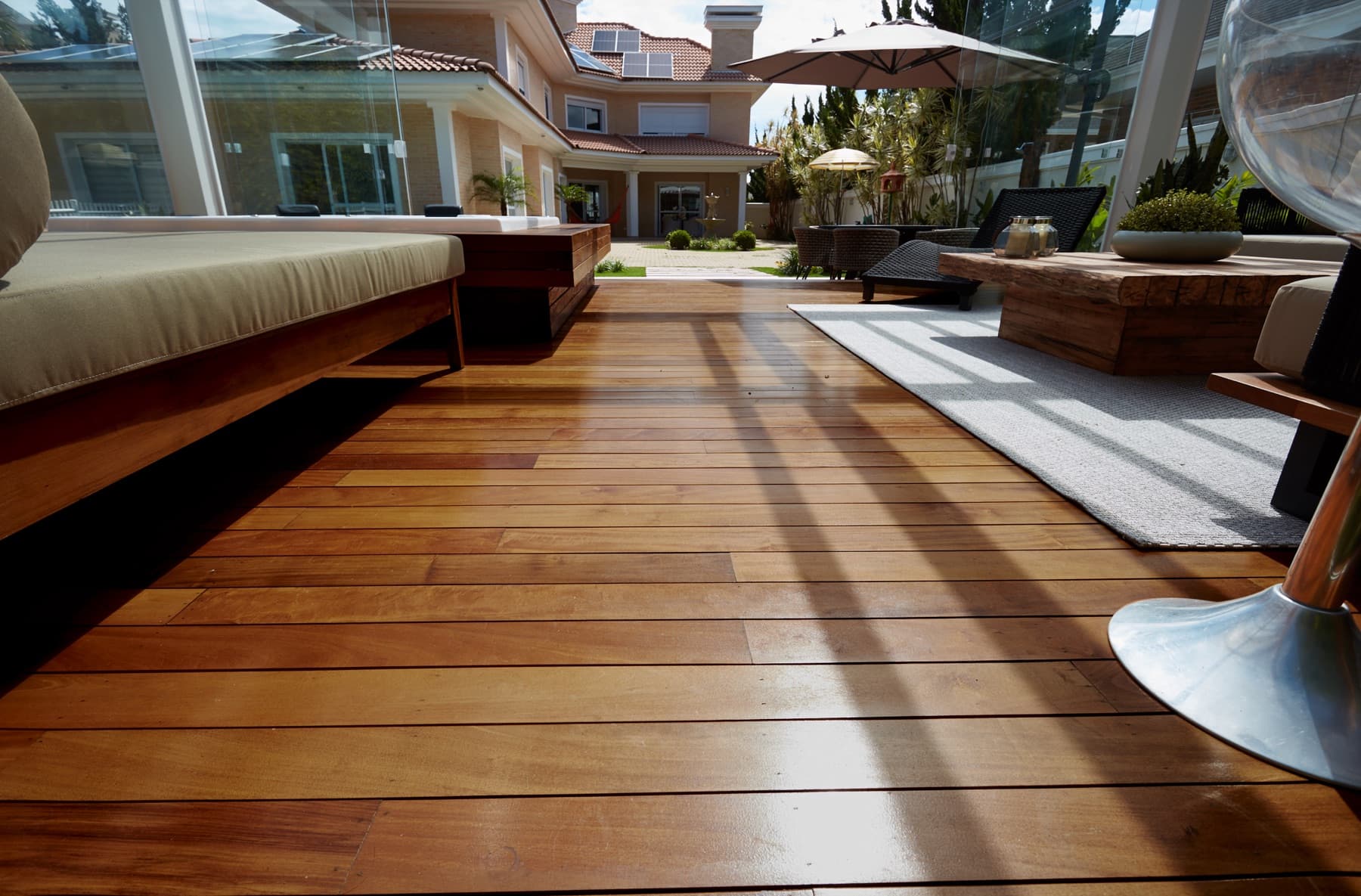
Evaluating Hardwood Species for Commercial Use
When considering hardwood decking for a restaurant patio, the species choice is paramount due to the high-traffic and demanding environment. Tropical hardwoods like Ipe and Cumaru are frequently specified for commercial projects because of their inherent density and resistance properties. These woods are known for their ability to withstand significant wear and tear.
Ipe, also known as Brazilian walnut, is a benchmark for durability. It is naturally resistant to rot, insects, and mold, and exhibits minimal movement after installation. Its reddish-brown to olive-brown tones can add a luxurious aesthetic to a patio. Cumaru, another Brazilian hardwood, offers similar durability and resistance to termites and weather changes, often at a different price point. It has a distinctive scent of cinnamon and vanilla when worked.
Both Ipe and Cumaru are dense woods that do not require chemical treatments to achieve their resistance to decay and pests. This natural resilience is a key advantage for commercial settings where longevity and reduced chemical exposure are desired.
Other hardwoods like Garapa and Tigerwood also offer distinct aesthetic and performance characteristics. Garapa provides a golden tone, while Tigerwood features dramatic grain patterns. The selection should align with the desired look and the specific performance requirements of the patio.
Commercial Suitability and Structural Considerations
Restaurant patios often experience concentrated loads from tables, chairs, and groups of patrons. The structural integrity of the decking system is critical. Hardwood decking, particularly dense species like Ipe and Cumaru, provides a strong, stable walking surface. It is essential to work with a structural engineer to ensure the sub-structure and framing are adequately designed to support the anticipated live and dead loads, including heavy planters or outdoor kitchen elements.
Unlike some synthetic materials, many hardwoods like Ipe possess a Class A fire rating, which can be a significant advantage in commercial applications where stricter building codes apply. This inherent fire resistance can simplify approval processes in certain jurisdictions. Always confirm local building codes and fire regulations for outdoor commercial spaces.
Proper ventilation beneath the deck is crucial for the longevity of any hardwood deck, especially in commercial settings where maintenance schedules might be tight. An adequately ventilated sub-structure helps prevent moisture buildup, which can lead to warping or decay over time. This is particularly important for ground-level patios or those enclosed by planter boxes or low walls.
Designing for Seating Layouts and Traffic Flow
The layout of your restaurant patio directly impacts material selection and installation. Commercial patios require a surface that can accommodate frequent rearrangement of tables and chairs without showing excessive wear. The hardness of species like Ipe and Cumaru helps resist scuffs and dents from furniture movement.
Consider board width and length in relation to your typical seating arrangements. Wider boards can create a sense of spaciousness, while narrower boards might offer more visual texture. Planning for board lengths that minimize seams can also contribute to a cleaner, more continuous look and potentially reduce tripping hazards.
Traffic flow patterns should guide the decking layout. Pathways to restrooms, service areas, and entry points will experience the most concentrated foot traffic. Specifying a durable hardwood in these areas can help maintain the deck's appearance over time. Consider how the decking will transition to other surfaces, such as interior flooring or adjacent walkways, to ensure smooth access for guests and staff.
Maintenance Regimen for Commercial Patios
A commercial patio demands a practical and consistent maintenance plan. Hardwood decking, while durable, benefits from regular care to preserve its appearance and extend its service life. The primary maintenance tasks for hardwood decking are cleaning and, optionally, oiling.
Regular cleaning, typically a wash once a year, helps remove dirt, food spills, and general grime that accumulate in a restaurant environment. For specific cleaning products, always verify compatibility with your chosen hardwood species to avoid damage. Avoiding harsh chemicals that could strip natural oils or finishes is generally recommended.
If you desire to maintain the original rich brown tones of species like Ipe or Cumaru, an annual application of a UV-blocking oil or sealer is recommended. Without this treatment, the wood will naturally weather to a silvery-gray patina over time. Structurally, the wood remains sound regardless of whether it is oiled or allowed to silver, but the aesthetic choice is important for brand consistency.
Consider scheduling maintenance during off-peak hours or seasons to minimize disruption to your business. Having a clear maintenance protocol for staff can help ensure the deck remains attractive and functional.
Project Example: A 20-by-30-Foot Restaurant Patio
Let's consider a hypothetical restaurant patio project: a rectangular area measuring 20 feet by 30 feet, which needs a durable and aesthetically pleasing hardwood deck. The owner prioritizes longevity and low structural maintenance, leading to a selection of Ipe hardwood decking.
For this 600-square-foot patio (20 ft x 30 ft = 600 sq ft), we'll assume 1x6 (nominal) Ipe decking boards, which typically measure around 5.5 inches wide. To estimate the linear footage needed, we first calculate the number of boards required across the 20-foot width. A 20-foot width is 240 inches. Dividing 240 inches by the 5.5-inch board width gives approximately 43.6 boards.
However, this calculation assumes perfect cuts and no waste. For commercial projects, it is prudent to add a waste factor, typically 10-15%, especially with a non-interlocking product. Applying a 15% waste factor to 1,320 linear feet results in approximately 1,518 linear feet of Ipe decking to purchase. This quantity allows for cuts, potential defects, and future repairs. The actual number of boards purchased will depend on available lengths, aiming to minimize offcuts that cannot be reused.
Beyond the decking boards, the project would also require appropriate fasteners (e.g., hidden fasteners compatible with Ipe), a robust sub-structure (joists, beams, posts) designed for commercial loads, and any necessary fascia or trim boards to finish the edges. A professional installer experienced with dense hardwoods would be recommended for this type of commercial application.
Before you order
- Confirm local building codes and fire ratings for commercial outdoor spaces.
- Consult a structural engineer for sub-structure design based on anticipated loads.
- Select a hardwood species (e.g., Ipe, Cumaru) with proven commercial durability.
- Plan for optimal board width and length to minimize seams and accommodate furniture.
- Design for efficient traffic flow and service access.
- Establish a clear, regular cleaning and maintenance schedule.
- Decide on the desired aesthetic: natural silvering or maintained color with UV-blocking oil.
- Verify compatible fasteners and installation methods for dense hardwoods.
- Budget for a professional installer experienced with commercial hardwood decking.
- Consider under-deck ventilation to prevent moisture buildup.
Confirm installation details, approved uses and warranty terms in the current instructions for the exact product and profile. Your installer should verify the substrate, structure and applicable project requirements.
Questions to help you decide
What hardwood species are best for a restaurant patio?
For restaurant patios, dense tropical hardwoods like Ipe and Cumaru are often recommended due to their exceptional durability, natural resistance to rot and insects, and ability to withstand heavy foot traffic and furniture movement. Ipe is considered a benchmark for performance, while Cumaru offers similar benefits.
Does hardwood decking for a restaurant patio require special maintenance?
Hardwood decking for a commercial patio requires a consistent maintenance regimen. Regular cleaning (typically annual washing) is essential. To preserve the original wood color, a UV-blocking oil or sealer should be applied annually. If left untreated, the wood will naturally weather to a silvery-gray patina, which is structurally sound but changes the aesthetic.
Are there fire rating considerations for commercial hardwood patios?
Yes, fire ratings are an important consideration for commercial outdoor spaces. Certain dense hardwoods, such as Ipe, carry a Class A fire rating, which can meet strict building codes and fire regulations. Always confirm specific local requirements for your project with the relevant authorities.
Request a Material Quote for Your Restaurant Patio Project
Planning a new hardwood patio for your restaurant? Provide your project dimensions, desired hardwood profile, and ZIP code to request a material quote. We can help confirm current availability and service options for your commercial decking needs. Visit our product pages for Ipe, Cumaru, Garapa, and Tigerwood.
Request a material quote →