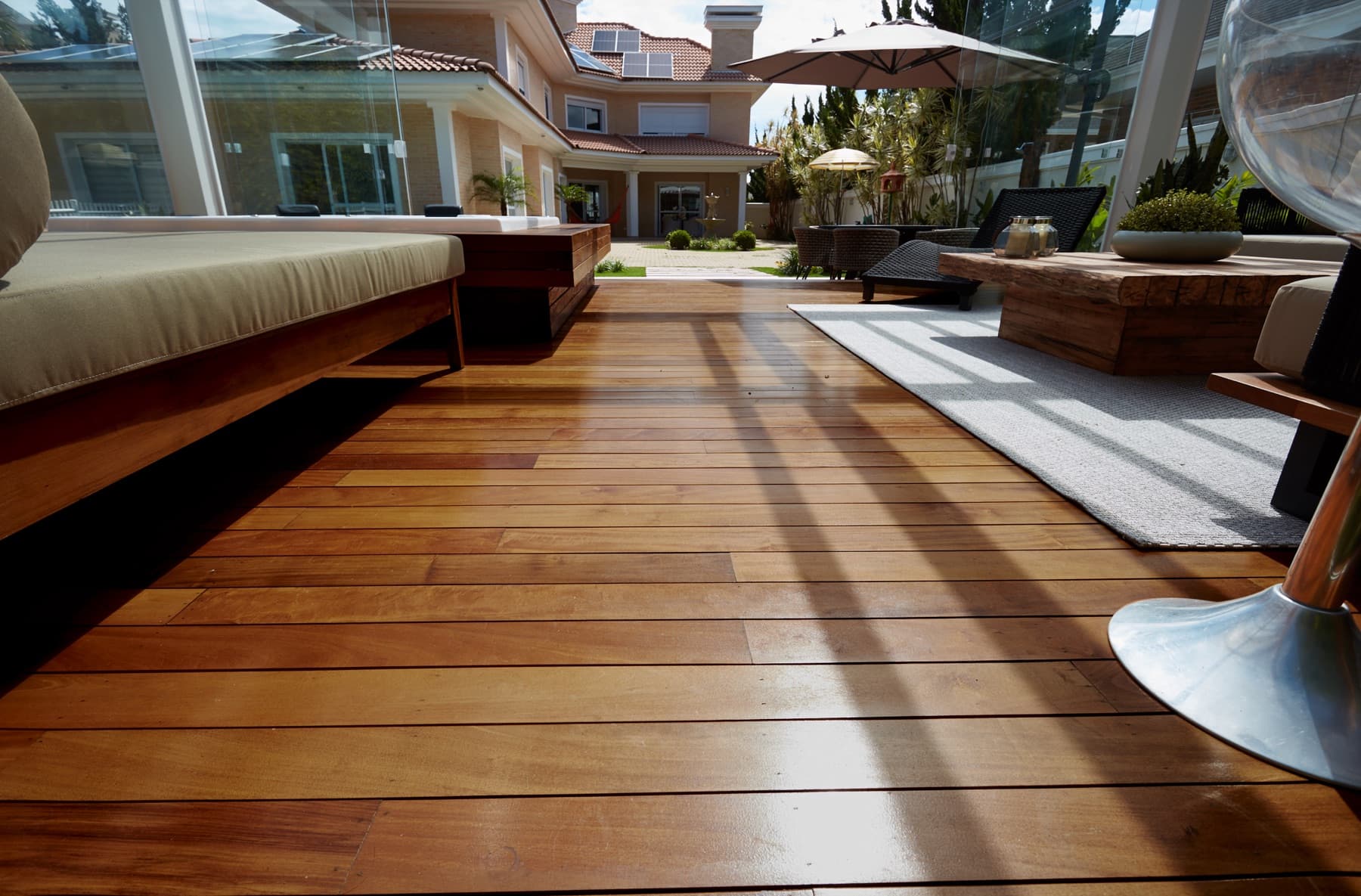
Why Hardwood for a Pool Surround?
Hardwood decking, especially species like Ipe and Cumaru, is a popular choice for pool surrounds due to its inherent density and natural resistance to moisture and decay. These characteristics are vital in an environment where the decking will frequently get wet.
The natural oils and tight grain structure of certain hardwoods contribute to their resilience against water absorption, making them less prone to swelling, shrinking, or warping compared to some other wood types. This stability is particularly beneficial around a pool where consistent moisture exposure is expected.
Beyond durability, hardwood offers a distinct aesthetic appeal. Its rich, natural tones can complement various pool designs and landscaping styles, providing a luxurious and inviting atmosphere. Over time, if left untreated, many hardwoods will weather to a silvery-gray patina, offering a different but equally appealing look.
Key Hardwood Species for Poolside Applications
Among the available hardwood species, Ipe and Cumaru stand out for pool surround applications due to their proven performance in demanding outdoor environments, including marine settings. These species are known for their exceptional density and natural resistance.
Ipe (Handroanthus spp.), also known as Brazilian walnut, is often considered a benchmark for outdoor decking. Its natural resistance to rot, insects, and mold makes it suitable for wet conditions, and it exhibits minimal movement post-installation. Ipe's color ranges from reddish-brown to olive-brown. If left untreated, it will weather to a silvery-gray.
Cumaru (Dipteryx odorata) is another very durable tropical hardwood. Cumaru is resistant to termites and weather changes, making it a dependable choice for projects exposed to moisture. It shares similar performance characteristics with Ipe but is often available at a different price point.
Other species like Garapa and Tigerwood also offer durability, but Ipe and Cumaru are frequently specified for projects demanding high resistance to moisture and heavy use, such as boardwalks and docks near saltwater.
Considering Water Exposure and Drainage
A pool surround will inevitably encounter significant water exposure. While hardwoods like Ipe and Cumaru are resistant to water damage, proper drainage is still essential for the longevity of your deck and the health of the underlying structure.
Ensure the deck design incorporates a slight slope away from the pool to facilitate water runoff. Adequate spacing between deck boards is also critical to allow water to drain through, preventing pooling on the surface. Consult the manufacturer's specific guidelines for board spacing to ensure optimal drainage and ventilation.
Ventilation beneath the deck is equally important. Stagnant moisture can lead to issues, even with resistant hardwoods. A well-ventilated under-deck area helps dry out the joists and the underside of the decking, reducing the risk of moisture-related problems.
Installation and Fastening in Wet Areas
Due to the density of hardwoods like Ipe and Cumaru, installation requires specialized tools and techniques. Pre-drilling is typically necessary for fasteners to prevent splitting, and high-quality, corrosion-resistant fasteners are recommended to withstand constant moisture exposure.
Hidden fastening systems can create a clean, fastener-free surface, which can be desirable around a pool for aesthetic reasons and to reduce potential snag points. However, ensure the chosen hidden fasteners are compatible with the specific hardwood species and suitable for wet applications.
Alternatively, face-fastening with screws can provide a secure attachment. If face-fastening, select stainless steel screws designed for exterior use to prevent rust stains on the decking. Confirm the appropriate screw length and diameter with your installer or product specifications.
Maintenance for Poolside Hardwood
Hardwood decking around a pool is relatively low maintenance, but consistent care will help preserve its appearance and extend its life. The primary maintenance tasks involve cleaning and, if desired, applying a UV-blocking sealer.
Regular cleaning is crucial to remove chlorine or saltwater residues, dirt, and debris that can accumulate. A simple wash with water and a soft-bristle brush, along with a compatible deck cleaner, is usually sufficient. Avoid harsh chemicals or pressure washers that could damage the wood surface.
If you prefer to maintain the original reddish-brown or olive-brown color of your Ipe or Cumaru deck, an annual application of a UV-blocking oil or sealer is recommended. If left untreated, the wood will naturally weather to a silvery-gray patina. This natural graying does not impact the structural integrity of the hardwood. Always check the compatibility of any cleaning or sealing products with your specific hardwood species.
Before you order
- Identify the specific hardwood species (e.g., Ipe, Cumaru) and confirm its suitability for wet conditions.
- Verify the available profiles and lengths for your chosen species.
- Plan for adequate drainage with a slight slope away from the pool.
- Ensure sufficient ventilation beneath the deck structure.
- Select corrosion-resistant fasteners compatible with dense hardwoods and wet environments.
- Consider a hidden fastening system for a smooth surface, or appropriate stainless steel screws for face-fastening.
- Budget for regular cleaning and optional UV-blocking oil/sealer if maintaining original color.
- Consult with a professional installer experienced with hardwood decking in wet applications.
Confirm installation details, approved uses and warranty terms in the current instructions for the exact product and profile. Your installer should verify the substrate, structure and applicable project requirements.
Questions to help you decide
Will hardwood decking be slippery around a pool?
All wet surfaces can be slippery. Hardwood decking, like any other material, will be less slippery when clean and free of algae or mildew. Regular cleaning and ensuring good drainage can help mitigate slipperiness. The natural texture of wood can offer some grip, but caution is always advised around wet areas.
How does chlorine or saltwater affect hardwood decking?
Dense hardwoods like Ipe and Cumaru are naturally resistant to the corrosive effects of chlorine and saltwater, which is why they are often used in marine applications. However, regular rinsing of the deck after heavy splashing can help prevent buildup and maintain the wood's appearance.
Can I install hardwood decking directly on a concrete slab around my pool?
Installing hardwood decking over a concrete slab requires careful planning to ensure proper drainage and ventilation. A sleeper system or adjustable pedestals are typically used to elevate the deck boards, allowing water to flow away and air to circulate underneath. Direct contact with concrete can trap moisture and lead to issues, even with resistant hardwoods. Consult installation guides for specific recommendations.
Ready to Plan Your Hardwood Pool Surround?
Request a material quote with your project dimensions, desired hardwood profile, and ZIP code to confirm current availability and service options for Ipe, Cumaru, and other hardwood decking species. Our team can help you select the right materials for your poolside project.
Request a material quote →