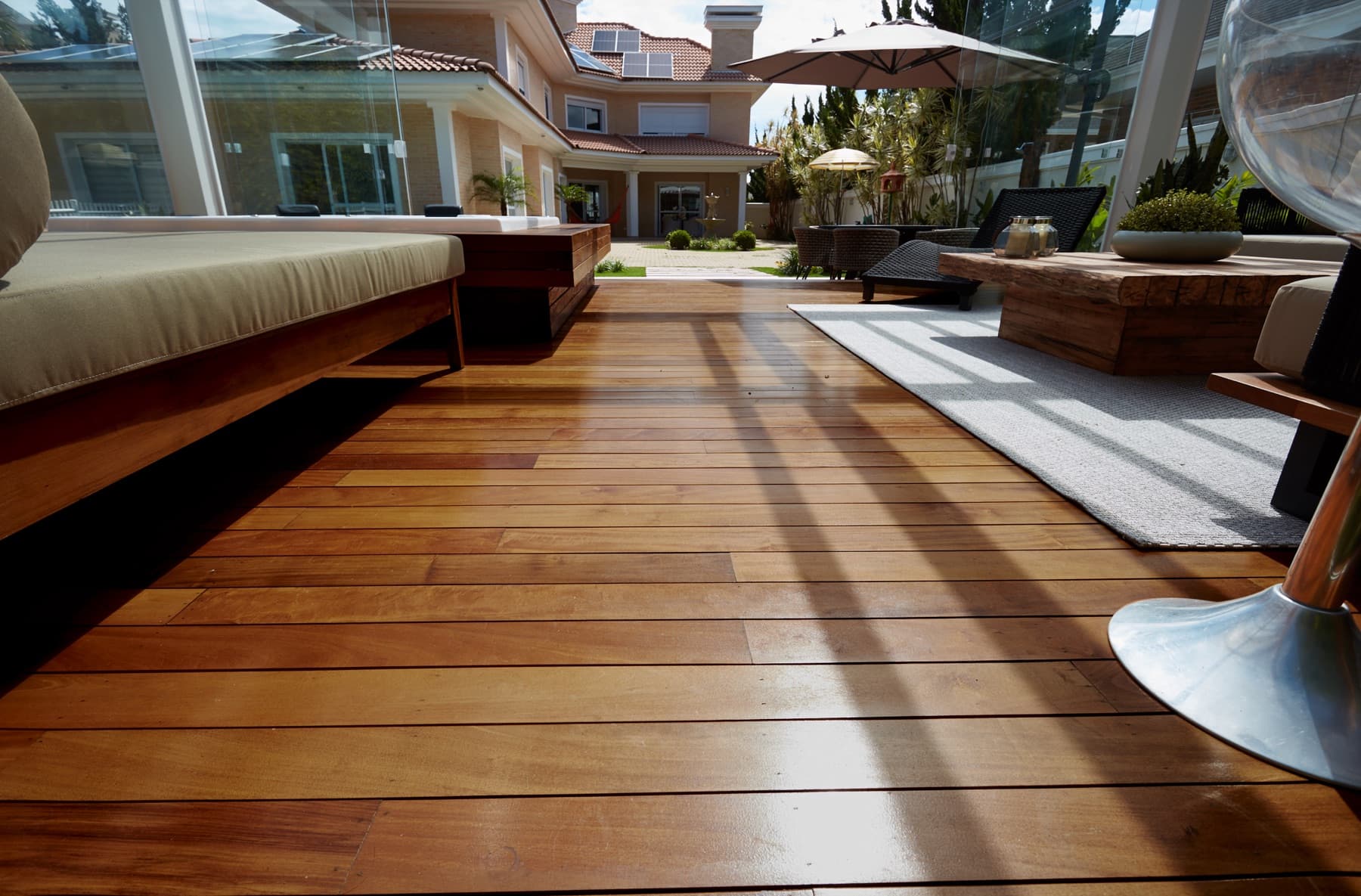
Understanding Sun Exposure and Hardwood Decking
Decks in full sun absorb and retain more heat, which can affect the surface temperature of the boards, their long-term stability, and even the comfort of walking barefoot. Hardwood decking, known for its density and natural properties, generally performs well in these conditions, but specific species offer varying degrees of resilience and heat retention.
Tropical hardwoods such as Ipe and Cumaru are frequently chosen for their inherent durability and resistance to harsh weather, including intense sun. Their dense cellular structure helps them resist warping and cracking even under significant thermal stress. However, even with these robust materials, planning for sun exposure is key to maximizing their performance and your enjoyment.
Key Considerations for Full Sun Decking
Several factors come into play when selecting hardwood for a deck that will be in direct sunlight:
Surface Temperature: Darker colors tend to absorb more solar radiation, leading to higher surface temperatures. While hardwood itself can get warm, lighter-toned species or those allowed to weather to a silvery-gray patina may feel cooler underfoot.
Thermal Stability: All wood expands and contracts with changes in temperature and humidity. Hardwoods like Ipe exhibit minimal movement post-installation, making them a stable choice for fluctuating conditions.
UV Resistance: Prolonged UV exposure can cause wood to fade or change color. While some homeowners prefer the natural silvering effect, others may opt for a UV-blocking sealer to maintain the original color. Consider this aesthetic choice early in your planning.
Moisture Management: Even in sunny conditions, proper drainage and ventilation are crucial. Sun exposure can lead to rapid drying, but if moisture gets trapped underneath, it can still cause issues. Ensure your deck design allows for good airflow.
Shade Integration: Even for a "full sun" deck, incorporating elements of shade can enhance usability. This might include planning for pergolas, retractable awnings, or strategic planting of trees that will mature to provide shade.
Recommended Hardwood Species for Sun-Exposed Decks
When it comes to durability and performance in full sun, certain hardwood species stand out:
Ipe (Handroanthus spp.): Often called "Brazilian Walnut," Ipe is renowned for its exceptional density and strength. It is naturally resistant to rot, insects, and mold, and handles weather changes well. Ipe also exhibits minimal movement post-installation, making it a highly stable choice for areas with significant temperature fluctuations. Its color ranges from reddish-brown to olive-brown.
Cumaru (Dipteryx odorata): Another durable tropical hardwood, Cumaru is resistant to termites and weather changes. Cumaru is a dependable choice for demanding builds, including those in full sun.
Garapa: Known for its golden tone, Garapa offers a good balance of durability and value. While not as dense as Ipe or Cumaru, it still performs well in outdoor applications and can be a suitable option for sun-exposed decks.
Tigerwood: For those seeking a dramatic aesthetic, Tigerwood provides a distinctive striped grain pattern. It is also a dense and durable hardwood suitable for outdoor use, offering good resistance to the elements.
Worked Example: Planning for a 12x20-foot Sun Deck with Ipe
Let's consider a hypothetical 12-foot by 20-foot deck that receives full sun exposure for most of the day. The homeowner wants a durable, low-maintenance deck that will stand up to the elements and retain its rich color as long as possible. They have chosen Ipe decking for its superior qualities.
Deck Dimensions: 12 feet wide x 20 feet long = 240 square feet.
Board Profile: Standard Ipe decking boards are often available in 1x6 inch (nominal) profiles, which are typically 3/4 inch thick by 5.5 inches wide (actual).
Linear Footage Calculation: To cover 240 square feet with 5.5-inch wide boards, we first convert the width to feet (5.5 / 12 = 0.4583 feet). Then, 240 sq ft / 0.4583 ft = approximately 523.6 linear feet. It's always advisable to add 10-15% for cuts, waste, and future repairs. So, 523.6 LF * 1.15 = approximately 602 linear feet of Ipe boards.
Shade Planning: Even with Ipe's durability, the homeowner decides to integrate a pergola structure over a 10x12-foot section of the deck. This provides a shaded dining area, making the deck more comfortable during peak sun hours. The Ipe under the pergola will still be exposed to some indirect light and heat, but the direct sun exposure will be reduced, potentially leading to a slightly cooler surface temperature in that zone. The pergola structure itself will be built from a complementary material like cedar or a painted lumber to create visual interest and integrate with the home's aesthetic.
Maintenance Plan: To preserve Ipe's original reddish-brown to olive-brown color, the homeowner plans for an annual application of a UV-blocking oil. This proactive maintenance will help protect the wood from the sun's harsh rays and maintain its aesthetic appeal. If they chose to let it weather, the Ipe would gradually turn a silvery-gray, which is also a popular and structurally sound option, requiring only annual cleaning.
Shade Planning and Design Integration
Even with the most sun-resistant hardwood, integrating shade into your deck design is a practical step for comfort and usability. Consider these options:
Pergolas and Awnings: These structures offer adjustable or permanent shade. Pergolas can be designed with slatted tops to allow some light while breaking up direct sun, or covered with fabric for more complete shade. Retractable awnings offer flexibility, allowing you to choose sun or shade as desired.
Strategic Landscaping: Planting deciduous trees nearby can provide natural shade in summer and allow sun through in winter. Ensure roots will not interfere with the deck's foundation.
Umbrellas: For smaller sections or flexible shade, large patio umbrellas can be effective and easily repositioned.
Deck Orientation: While often dictated by existing structures, consider how the deck's orientation relative to the sun's path can influence sun exposure throughout the day. This might inform where you place seating or dining areas.
Maintenance for Sun-Exposed Hardwood Decks
Maintaining a hardwood deck in full sun is straightforward, primarily focusing on cleaning and optional color preservation:
Cleaning: A simple wash once a year with water and a mild cleaner is usually sufficient to remove dirt, pollen, and debris. This helps prevent buildup that could trap moisture or encourage mildew.
Color Preservation: If you prefer to maintain the original rich color of your hardwood, apply a UV-blocking oil or sealer annually. This will help protect the wood from the sun's ultraviolet rays, which cause the natural silvering process.
Natural Weathering: If you choose to let your hardwood deck weather naturally, it will develop a beautiful silvery-gray patina over time. This process is purely cosmetic and does not affect the structural integrity or lifespan of the deck. In this case, only annual cleaning is required.
Inspection: Periodically inspect your deck for any signs of wear, loose fasteners, or areas that might need attention. Early detection of issues can prevent more significant problems down the line.
Before you order
- Assess the amount of direct sun exposure your deck receives daily.
- Consider the surface temperature: will bare feet be common? (Lighter species or weathered wood may be cooler).
- Determine your aesthetic preference: maintain original color with UV oil, or allow to silver naturally?
- Review hardwood species for density, stability, and natural resistance to sun and weather (e.g., Ipe, Cumaru).
- Plan for shade elements: pergolas, awnings, umbrellas, or landscaping.
- Ensure proper ventilation and drainage beneath the deck.
- Calculate linear footage of decking boards, adding 10-15% for waste and cuts.
- Confirm availability of desired profiles and lengths with a supplier.
- Plan for annual cleaning and optional UV-blocking oil application.
Confirm installation details, approved uses and warranty terms in the current instructions for the exact product and profile. Your installer should verify the substrate, structure and applicable project requirements.
Questions to help you decide
Which hardwood species are best for full sun exposure?
Ipe and Cumaru are excellent choices for full sun due to their high density, natural resistance to warping, and stability. Garapa and Tigerwood also perform well, offering durable options with distinct appearances.
Will my hardwood deck get too hot in the sun?
All decking materials can get warm in direct sunlight. Hardwoods, especially darker ones, will absorb heat. Lighter-toned species or those allowed to weather to a silvery-gray may feel cooler. Incorporating shade elements like pergolas or umbrellas can significantly reduce surface temperatures.
How do I prevent my hardwood deck from fading in the sun?
To preserve the original color of your hardwood deck, apply a high-quality UV-blocking oil or sealer annually. If left untreated, hardwoods like Ipe and Cumaru will naturally weather to a silvery-gray patina, which is a common and structurally sound aesthetic choice.
Ready to Plan Your Sun-Exposed Hardwood Deck?
For a material quote tailored to your project, provide your deck dimensions, preferred hardwood profile, and ZIP code. We can confirm current availability and service options for Ipe, Cumaru, Garapa, and other hardwood decking materials. Visit our Hardwood Decking page for more product information: [/decking/hardwood](https://www.lumberplus.com/decking/hardwood).
Request a material quote →